
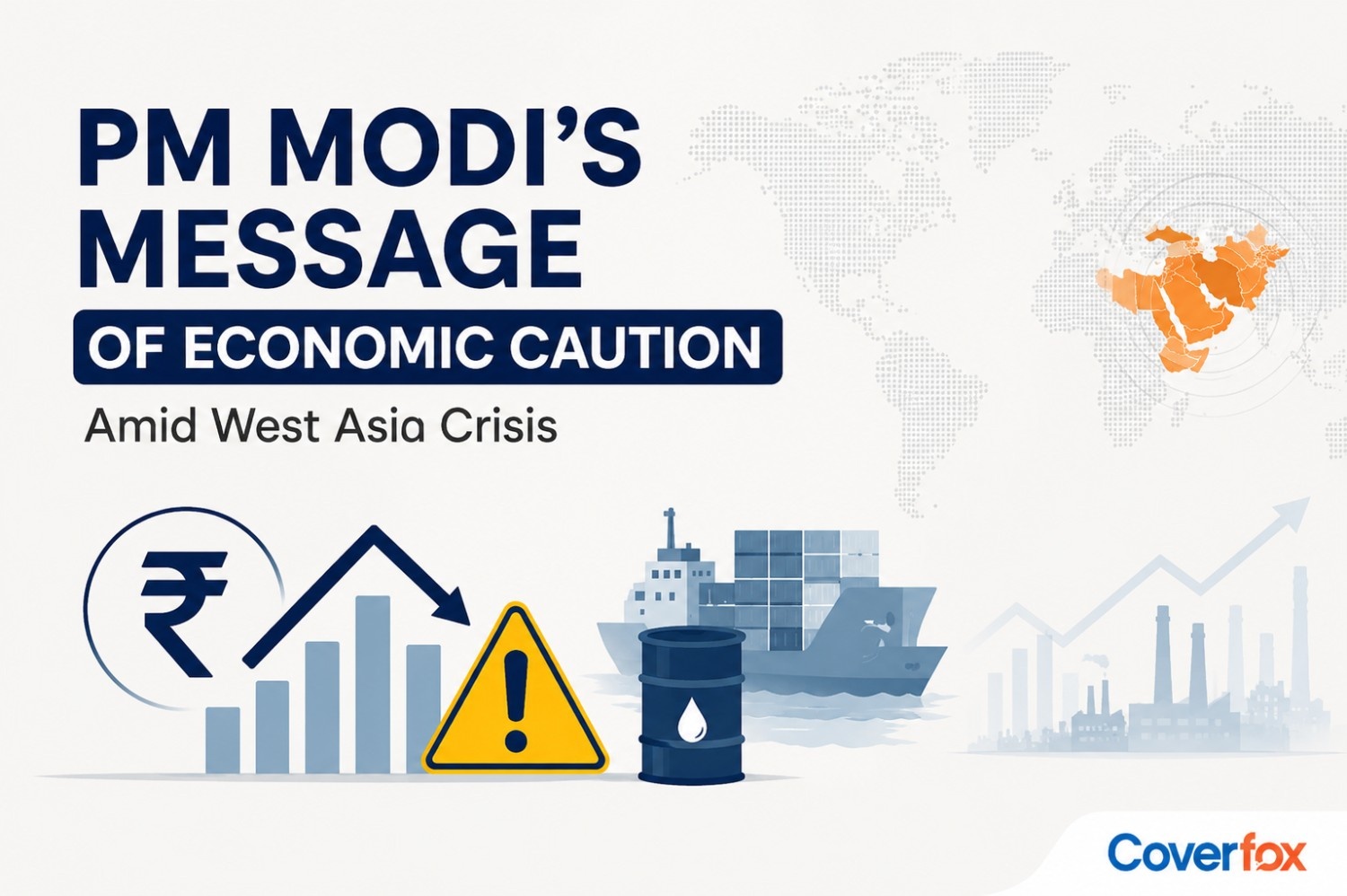
Indian Prime Minister Narendra Modi on Sunday urged citizens to curb fuel use, reduce overseas travel, and pause gold purchases, underscoring the severe impact of the Iran war on the economy. Addressing a BJP rally in Hyderabad on May 10, Modi stressed the need to protect the economy from global disruptions, saying the Centre was trying to shield citizens from the adverse effects of rising fuel and fertiliser prices caused by the West Asia crisis.
This was the second time Modi made similar appeals; the first was his speech in Hyderabad on Sunday, and he repeated them again shortly after. The Centre has also urged citizens not to worry or engage in panic buying.
Modi's Key Appeals to Citizens
PM Modi made seven broad appeals to the nation, asking citizens to partner in strengthening India during the crisis. These include:
1. Fuel Conservation
Modi appealed to Indians to use public transport, work from home, and carpool to conserve fuel. He urged farmers to reduce the use of chemical fertilisers by 50% and adopt solar-powered irrigation pumps instead of diesel-run systems.
2. No Gold Purchases for a Year
Modi said that gold purchases are an area where foreign exchange is used extensively, and in the national interest, Indians must resolve not to purchase gold for a year, no matter how many functions are scheduled at home.
3. No Foreign Travel
The PM urged citizens to rethink discretionary spending, including avoiding foreign travel for one year, and to reconsider destination weddings abroad.
4. Revival of Work-From-Home
Modi said systems adopted during the pandemic including online conferences, remote work, and video meetings had already proven effective and should now be revived in the national interest.
5. Reduce Edible Oil Consumption
Modi also appealed to people to reduce edible oil consumption and promote natural farming and Swadeshi products as part of efforts to make the country more self-reliant.
6. Vocal for Local
Championing the 'Vocal for Local' movement, Modi stressed that self-reliance and organic farming are essential for India to achieve its Viksit Bharat goal by 2047.
7. A Call to Patriotism
The broader message from Modi was that patriotism during times of global crisis also means responsible daily behaviour "Patriotism is not only about the willingness to sacrifice one's life on the border. In these times, it is about living responsibly and fulfilling our duties to the nation in our daily lives."
Why Now? The West Asia Crisis & India's Vulnerability
Crude oil prices are trading above $100 per barrel due to the West Asia crisis, while the deadlock in the Strait of Hormuz persists. Prices had touched a 52-week high of $126 per barrel at the end of last month.
India imports nearly 85% of its fuel needs and relies on the Strait of Hormuz for about 50% of its crude imports, 60% of its LNG, and almost all of its LPG supplies.
Defence Minister Rajnath Singh, chairing the fifth meeting of the Informal Group of Ministers, said the Centre was actively taking steps to prevent shortages or disruptions in supply chains as the war in the Gulf progresses. He added that India urgently needed to accelerate the transformation of its energy mix toward renewable and energy-efficient fuels, while identifying more reliable and diversified energy supplies.
Economic Impact: What's at Stake
Import Bill & Trade Deficit
The Rupee Under Pressure
Growth Forecast Cut
Fuel Prices Held Artificially Stable
Expert Outlook
India spent $174.9 billion on crude and petroleum products 22% of its total imports in the financial year ended March 2026. The country is also the world's second-largest gold buyer after China, spending nearly $72 billion on gold imports. Higher energy costs are expected to significantly widen the country's trade deficit and current account deficit.
The rupee has come under strain and is trading near an all-time low against the dollar, as higher oil prices increase pressure on India's import bill.
Global brokerage UBS Securities, in a May 4 note, described the Middle East conflict as a "historically large energy shock with asymmetric macro risks" and lowered its forecast for India's economic growth for the financial year ending March 2027 to 6.2% from 6.7% earlier.
Despite high global crude prices averaging over $100/barrel, retail petrol and diesel prices in India remain stable, with Oil Marketing Companies (OMCs) absorbing the fluctuations though a price hike is widely expected.
Former Indian ambassador Nirupama Rao told CNBC that while she doesn't believe an economic shock is immediately around the corner, the country faces "difficult times ahead" unless there is peace or a resolution of the crisis in the Middle East.
In Summary
Modi's appeals reflect a government acutely aware of India's structural vulnerabilities and heavy import dependence on both energy and gold at a time when a prolonged West Asia conflict could deliver a serious blow to India's forex reserves, currency, inflation, and growth trajectory. Whether voluntary citizen behaviour can meaningfully shift macro numbers remains to be seen, but the messaging signals that harder policy measures (like fuel price hikes) may not be far off.
Note: This content is compiled and adapted from reports published by the Indian online NEWS platforms. The information is intended for news analysis and informational purposes only.
Frequently Asked Questions
Why has PM Modi urged economic caution now?
Narendra Modi made these appeals because the ongoing crisis in West Asia has sharply increased global crude oil prices and created uncertainty in energy supplies, which could hurt India’s economy.
What did PM Modi ask citizens to do?
The Prime Minister asked people to: Reduce fuel consumption, Avoid unnecessary foreign travel, Pause gold purchases for a year, Use public transport and carpooling, Support local products, Reduce edible oil usage and Adopt responsible spending habits.
Why did Modi ask people not to buy gold?
India imports large quantities of gold using foreign exchange reserves. Reducing gold imports can help lower pressure on India’s trade deficit and protect the rupee during a global crisis.
Why is the West Asia crisis important for India?
India depends heavily on oil and gas imports from the Gulf region. Any disruption in West Asia can increase fuel prices, transportation costs, inflation, and overall economic pressure.
Why did Modi encourage work-from-home again?
The government believes remote work, online meetings, and virtual conferences can reduce fuel consumption and lower transportation-related costs.
What does “Vocal for Local” mean?
“Vocal for Local” is a campaign encouraging people to buy and promote Indian-made products to strengthen domestic industries and reduce import dependence.
Have fuel prices increased in India yet?
Retail petrol and diesel prices have remained largely stable so far, but experts believe price hikes may happen if global crude oil prices remain high.
How could the crisis affect common people in India?
People may face: Higher fuel prices, Increased inflation, Costlier goods and services, Pressure on household budgets and Possible rise in travel and transportation costs
Why is the rupee under pressure?
Higher oil imports increase demand for US dollars, putting pressure on the Indian rupee and weakening its value against the dollar.
How could the crisis affect India’s economic growth?
Higher energy costs may reduce consumer spending, increase inflation, and widen the trade deficit, potentially slowing India’s economic growth.
Is the government planning stricter measures?
The government has not announced mandatory restrictions yet, but Modi’s messaging suggests authorities are preparing citizens for possible tougher economic measures if the crisis worsens.
How dependent is India on imported fuel?
India imports around 85% of its crude oil needs and relies significantly on the Strait of Hormuz for oil, LNG, and LPG supplies.

