
- Retail Insurance
- Business Insurance
- Resources
- Claims


Exercise is a form of physical activity that enhances or maintains physical fitness, overall health, and mental well-being. In today’s world, especially in urban India, a sedentary lifestyle has become a huge problem. It calls for some sort of physical activity to remain healthy, and exercise is the best solution for it. Even 15 minutes of daily exercise goes a long way in having a healthier lifestyle. This page will help you understand different types of exercises, their benefits and how to get started with your fitness journey.
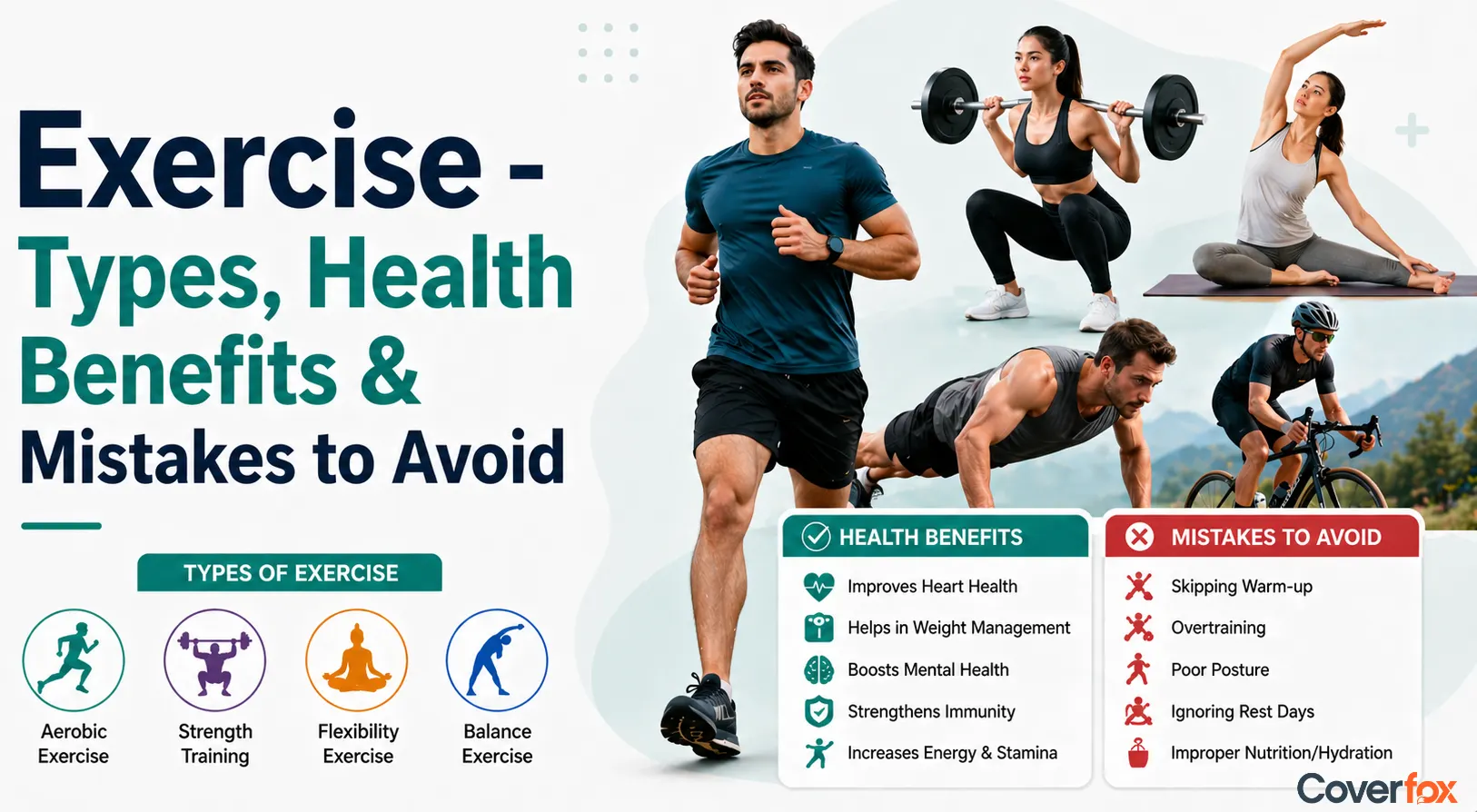
Exercise isn’t just about staying fit; it is essential for maintaining overall physical and mental well-being. In today’s increasingly inactive lifestyle, regular movement helps prevent diseases and keeps the body functioning optimally.
Improves heart health and reduces the risk of lifestyle diseases like diabetes and hypertension
Boosts mental health by reducing stress, anxiety, and depression
Enhances strength, stamina, and overall physical performance
Helps maintain a healthy weight and supports metabolism
Improves sleep quality and daily energy levels
In urban India, around 60% of adults do not meet recommended physical activity levels, indicating a largely sedentary
Strengthens immunity and reduces the risk of chronic illnesses
Regular exercise offers a wide range of physical and mental health benefits, helping you live a healthier, more energetic, and longer life.
Improves heart health by strengthening the cardiovascular system and reducing the risk of heart disease
Supports weight management by burning calories and improving metabolism
Builds stronger muscles and bones, reducing the risk of osteoporosis and injuries
Enhances immunity, helping the body fight infections and illnesses
Lowers the risk of chronic diseases such as diabetes, hypertension, and certain cancers
Reduces stress, anxiety, and depression by regulating stress hormones
Improves mood through the release of endorphins, often called “feel-good” hormones
Promotes better sleep quality and helps regulate sleep patterns
Increases daily energy levels and reduces fatigue
Enhances brain function, improving memory, focus, and concentration
Linked to longer life expectancy and overall improved quality of life
Exercise directly influences brain chemistry by lowering cortisol levels and increasing endorphins, serotonin, and dopamine, which help improve mood and emotional stability. It is clinically shown to reduce symptoms of anxiety and depression, while also enhancing self-esteem and resilience. Regular physical activity supports cognitive function by improving blood flow to the brain, leading to better memory, focus, and overall mental clarity.
Exercise can be broadly divided into four essential types that together create a balanced and effective fitness routine.
Aerobic exercise increases your heart rate and breathing, improving cardiovascular health, lung capacity, and stamina. Activities like walking, running, cycling, and swimming help keep your heart strong and boost endurance.
Strength training helps build muscle mass, improve metabolism, and strengthen bones. It involves using weights, resistance bands, or bodyweight exercises such as push-ups and squats.
Flexibility exercises improve the range of motion in joints, reduce stiffness, and help prevent injuries. Stretching, yoga, and mobility exercises keep the body agile and support better movement.
Balance exercises improve stability, coordination, and posture by strengthening the core and supporting muscles. They are especially important for older adults, helping prevent falls and maintain overall body control.
Adults should aim for at least 150 minutes of moderate-intensity aerobic activity or 75 minutes of vigorous activity per week, along with strength training on two or more days. These recommendations are supported by the World Health Organisation and the Centres for Disease Control and Prevention, which show that regular activity significantly reduces the risk of chronic diseases and premature death. Even small amounts of movement are beneficial, and consistency matters more than intensity for long-term health.
Starting exercise doesn’t require a drastic change—small, consistent steps build long-term habits.
Begin with short sessions of 5–10 minutes and gradually increase duration and intensity
Focus on consistency rather than intensity in the early stages
Choose activities you enjoy such as walking, cycling, dancing, or light workouts
Build a routine by fixing a time slot that fits your daily schedule
Incorporate movement into daily life, like taking the stairs, walking short distances, or doing quick home workouts
Listen to your body and allow rest to avoid burnout or injury
Exercise needs vary across life stages, and routines should be adapted accordingly.
Focus on active play, sports, and outdoor activities
Aim to build coordination, strength, and overall physical development
Limit sedentary screen time
Follow a balanced routine including cardio, strength, and flexibility exercises
Manage weight, reduce stress, and prevent lifestyle diseases
Maintain consistency despite busy schedules
Prioritise strength, flexibility, and balance exercises
Include low-impact activities like walking or yoga
Focus on fall prevention, mobility, and maintaining independence
Exercise routines should be tailored to individual goals for better results.
Combine cardio exercises with strength training
Focus on calorie burn and improving metabolism
Emphasise strength and resistance training
Ensure adequate rest and recovery for muscle growth
Include sustained aerobic activities like running, cycling, or swimming
Gradually increase duration and intensity
Mix cardio, strength, flexibility, and balance exercises
Aim for overall health, energy, and well-being
Optimal fitness depends on the combined effect of training, proper nutrition, hydration, and adequate recovery—each playing a critical role in performance and overall health.
Exercise creates physiological stress that stimulates muscle fibres, cardiovascular adaptation, and metabolic improvements
Nutrition provides the fuel and building blocks required for energy and repair, Carbohydrates replenish glycogen stores used during workouts, Proteins (around 0.8–1.2 g/kg for general individuals; higher for active individuals) support muscle repair and growth, and fats support hormone function and long-term energy needs
Hydration maintains blood volume, regulates body temperature, and supports nutrient transport; even 1–2% dehydration can impair performance
Recovery is essential for adaptation:
Muscle repair and growth occur during rest, not during exercise
Sleep (7–9 hours for adults) supports hormonal balance, including growth hormone release
Rest days help prevent overtraining, fatigue, and injury
Injury Prevention & Performance, reduces inflammation, improves muscle function, and enhances long-term performance outcomes
Here are grave mistakes to avoid while exercising, so that you do not end up injuring yourself:
Skipping warm-up and cool-down routines
Using incorrect form or technique during exercises
Overtraining without adequate rest and recovery
Ignoring pain or pushing through injuries
Not staying hydrated before, during, and after workouts
Following unrealistic goals or expecting quick results
Neglecting strength training or flexibility exercises
Being inconsistent with workout routines
Not fuelling the body properly with balanced nutrition
Comparing progress with others instead of focusing on personal goals
A lack of regular physical activity significantly increases the risk of multiple health problems and can negatively impact both physical and mental well-being.
Increases the risk of obesity due to low calorie expenditure and slower metabolism
Raises the likelihood of heart disease by weakening cardiovascular health
Contributes to the development of type 2 diabetes by affecting insulin sensitivity
Negatively impacts mental health, increasing stress, anxiety, and depression
Leads to weaker muscles and bones, raising the risk of injuries and osteoporosis
Reduces overall energy levels and daily productivity
Associated with a higher risk of certain cancers, such as breast and colon cancer
Linked to reduced life expectancy and a higher risk of premature death
Consult a doctor before starting exercise if you have existing medical conditions such as heart disease, diabetes, joint issues, or respiratory disorders. It is also important to note if you experience symptoms like chest pain, dizziness, or shortness of breath during physical activity. Older adults, pregnant women, or individuals returning after a long period of inactivity should seek medical advice to ensure safe and appropriate exercise.
Health insurers assess an individual’s health risk before issuing a policy, and regular exercise is a strong indicator of a healthier, lower-risk profile. People who maintain good fitness levels are less likely to develop lifestyle-related conditions, which can translate into benefits such as better premium pricing, smoother underwriting, and, in some cases, wellness-linked rewards offered by insurers.
At the same time, staying active reduces the chances of falling ill or needing frequent medical care, which means fewer claims over time. Health insurance policies typically offer a No Claim Bonus (NCB) in the form of a cumulative bonus, where your sum insured increases for every claim-free year without a proportional increase in premium.
Exercise is any planned or structured physical activity that helps improve or maintain physical fitness, overall health, and well-being. It involves movements that increase your heart rate, engage muscles, and use energy, such as walking, running, or stretching.
Exercise supports the proper functioning of the body by strengthening the heart, improving circulation, regulating blood sugar levels, and helping maintain a healthy weight. It also improves mental well-being and reduces the risk of chronic conditions like heart disease, diabetes, and obesity.
The four main types of exercise are aerobic, strength, flexibility, and balance training. Aerobic exercise improves heart and lung health, strength training builds muscles and bones, flexibility exercises enhance movement, and balance exercises improve coordination and stability.
Adults are recommended to get at least 150 minutes of moderate-intensity activity per week, which can be broken into about 20 to 30 minutes daily. Strength training should also be included at least twice a week for overall fitness.
Yes, even short sessions of physical activity can improve blood circulation, boost mood, and increase energy levels. When done consistently, these small efforts contribute to better overall health and fitness.
Low-impact activities such as walking, light jogging, cycling, or basic bodyweight exercises are ideal for beginners. These help build strength and endurance gradually without putting too much strain on the body.
Start with light activities for short durations and gradually increase intensity and time as your body adapts. Setting realistic goals and maintaining consistency are important to safely rebuild fitness levels.
Brisk walking is an effective form of exercise that improves cardiovascular health and supports weight management. For a more balanced routine, it can be combined with strength and flexibility exercises.
You can exercise daily if you vary the intensity and type of workouts. Including lighter activities or active recovery days helps the body recover and prevents fatigue or injury.
Lack of exercise can lead to weight gain, reduced muscle strength, poor heart health, low energy levels, and an increased risk of chronic diseases. It can also negatively affect mental health and overall well-being.
A combination of aerobic exercises and strength training is most effective for weight loss. Cardio helps burn calories, while strength training builds muscle and improves metabolism.
Exercise reduces stress hormones and increases the release of chemicals like endorphins, serotonin, and dopamine, which improve mood and emotional well-being. It also helps reduce anxiety and depression while improving focus and sleep.
A gym is not necessary to stay fit. You can maintain fitness through home workouts, outdoor activities, and simple exercises like walking, stretching, or bodyweight training.
Improvements in mood and energy can be noticed within a few weeks, while visible physical changes usually take several weeks of consistent effort, depending on lifestyle and fitness levels.
The best time to exercise is when you can be consistent and comfortable. Whether it is morning, afternoon, or evening, regularity matters more than timing.

