


Vespa scooters in India have an ARAI-claimed mileage of around 45 km/l for most 125cc and 150cc models, though real-world mileage in everyday riding conditions usually falls between 35–40 km/l, depending on factors such as traffic, riding style, and the specific variant. The key petrol Vespa models available in India include the Vespa ZX 125, Vespa VXL 125, Vespa SXL 125, Vespa VXL 150, and Vespa SXL 150.
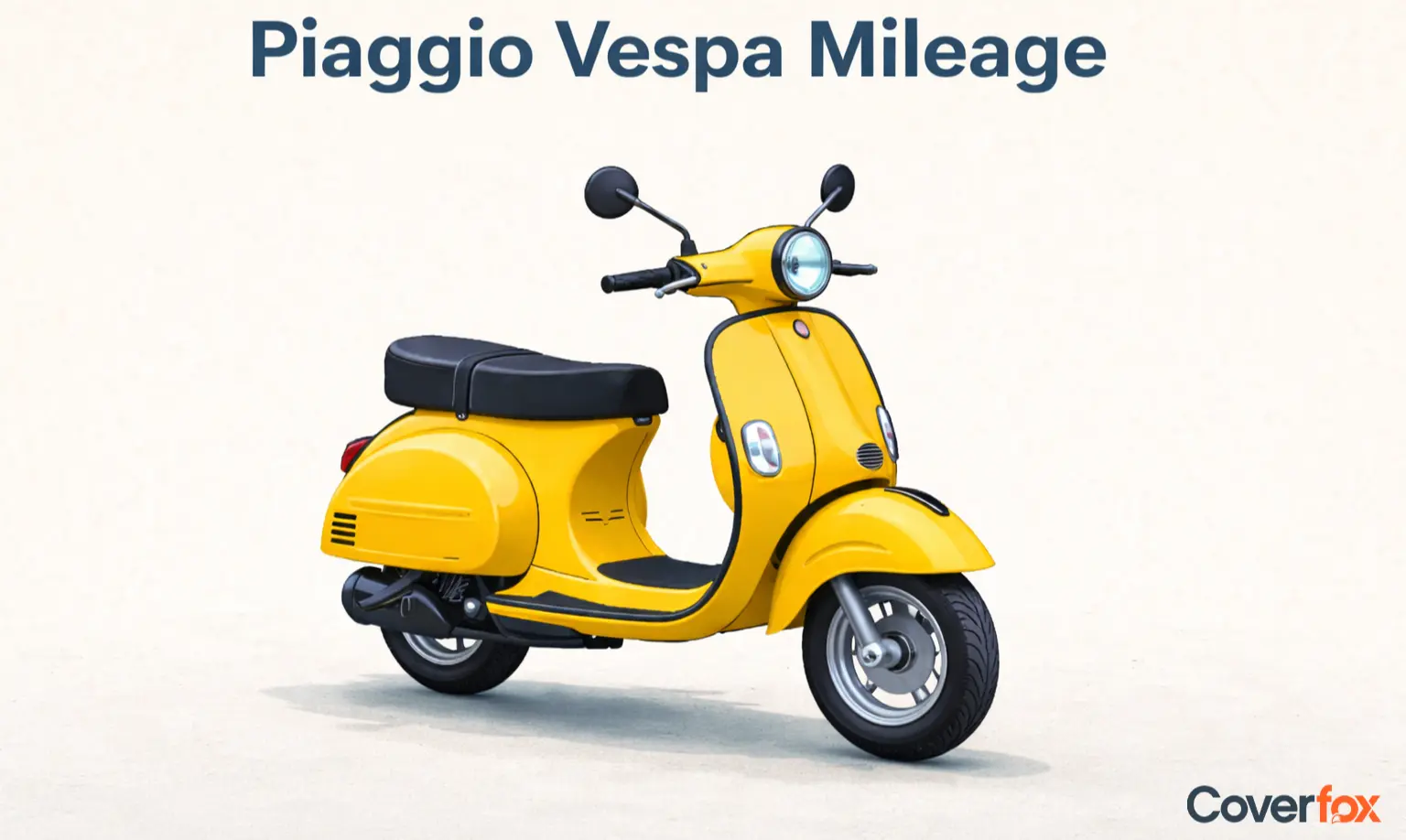
Piaggio Vespa is an iconic Italian scooter brand known for its timeless design, metal monocoque body, and premium ride quality. In India, Vespa scooters offer an ARAI-certified mileage of around 45–50 km/l, making them a stylish yet practical choice for premium urban commuting. This page focuses on Piaggio Vespa mileage, along with its design, features, specifications, models, pricing, pros and cons, and who it is best suited for.
Piaggio Vespa was born in post-war Italy in 1946, when Piaggio introduced a simple, affordable scooter that soon became a symbol of freedom, style, and European urban mobility. Over the decades, Vespa evolved into a cultural icon, shaping global scooter culture with its distinctive design and easy-to-ride character. Backed by Piaggio’s long legacy of two-wheeler innovation, Vespa has stayed true to its classic identity for more than 70 years, while continuously upgrading its technology, performance, and features to meet modern riding needs.
Vespa mileage varies slightly across variants based on engine capacity and riding conditions, but all models are tuned for smooth and efficient urban commuting.
| Vespa Variant | ARAI Mileage (km/l) | Real-World Mileage (km/l) |
|---|---|---|
| Vespa ZX 125 | 45 km/l | 38–40 km/l |
| Vespa VXL 125 | 45 km/l | 38–40 km/l |
| Vespa SXL 150 | 45 km/l | 35–38 km/l |
| Vespa VXL 150 | 45 km/l | 35–38 km/l |
Disclaimer: ARAI mileage is tested under ideal conditions. Real-world mileage may vary depending on riding style, traffic, road conditions, and maintenance.
Vespa stands out with its steel monocoque body, smooth rounded lines, pastel colour palette, chrome accents, and unmistakable vintage design that has remained iconic for decades. Unlike typical plastic-body scooters, Vespa’s all-metal construction adds durability and a solid riding feel, which also helps maintain stable performance and consistent mileage over time.
Its premium craftsmanship is complemented by comfort-focused ergonomics, plush seating, and easy manoeuvrability, making it efficient in stop-and-go city traffic. Together, these elements help Vespa deliver reliable real-world mileage while offering a refined and effortless urban riding experience.
Vespa scooters are powered by refined 125cc and 150cc engines that are tuned for smooth acceleration, reliable performance, and stress-free city riding. Equipped with fuel-injected engines, Vespa offers a responsive throttle, low vibrations, and consistent power delivery, which helps maintain stable mileage in daily traffic. The scooters are engineered for effortless urban commuting, focusing on comfort and efficiency rather than aggressive or sporty performance.
Ensures precise fuel delivery, reducing wastage and improving efficiency
Linear acceleration prevents sudden fuel consumption spikes
Designed for city speeds, helping deliver better real-world mileage
Reduce engine stress, supporting consistent fuel efficiency
Makes stop-and-go traffic easier and more fuel-efficient
Piaggio Vespa combines classic design with modern technology to deliver a refined, efficient, and city-friendly riding experience, while also supporting consistent mileage.
Ensures accurate fuel delivery for smoother performance and improved fuel efficiency
Provides better stability and durability, helping maintain consistent mileage over long-term use
Allows seamless power delivery without gear shifts, ideal for fuel-efficient city commuting
Helps the engine run at ideal temperatures, improving performance and mileage
Reduces rider fatigue in traffic, enabling smoother throttle use and better real-world mileage
Minimises wear and tear, helping the scooter retain efficiency over time
Here are the key Vespa scooter models available in India, along with their approximate ex-showroom prices:
| Vespa Model | Approx. Ex-Showroom Price (₹) |
|---|---|
| Vespa ZX 125 | ₹1.07 Lakh* |
| Vespa VXL 125 | ₹1.20 – 1.31 Lakh* |
| Vespa SXL 125 | ₹1.14 – 1.29 Lakh* |
| Vespa VXL 150 | ₹1.33 – 1.47 Lakh* |
| Vespa SXL 150 | ₹1.37 – 1.54 Lakh* |
*Prices listed are approximate ex-showroom figures in India and can vary slightly based on state, city, and variant. It’s best to check with your local dealer for the exact price in your city.
Vespa is a good choice for riders who value Vespa mileage along with comfort, premium styling, and the added peace of mind that comes from choosing the right bike insurance.
Urban commuters looking for consistent Vespa mileage in daily stop-and-go traffic
Riders who prefer smooth, relaxed performance that helps maintain better real-world mileage
Professionals and students who want predictable fuel costs with reliable city mileage
Buyers seeking a premium scooter that delivers balanced Vespa mileage without aggressive riding
Users who prioritise long-term efficiency, comfort, and dependable mileage over sporty performance
Here are Vespa-specific, practical ways to improve Vespa mileage, with clear numbers and usage tips tailored to Vespa 125cc and 150cc scooters:
Vespa delivers best mileage when ridden between 40–50 km/hr. Riding consistently above 60 km/hr can reduce mileage by 10–15%, especially on 150cc models.
Vespa engines are tuned for smooth acceleration. Gradual throttle use instead of sudden twists can improve real-world mileage by 2–4 km/l in city traffic.
Maintain 22–24 PSI (front) and 28–30 PSI (rear) as recommended. Under-inflated tyres can reduce Vespa mileage by up to 8–10%.
Regular servicing every 3,000–5,000 km ensures clean fuel injectors, optimal engine tuning, and consistent mileage. Delayed servicing often leads to mileage drops of 3–5 km/l.
Vespa’s fuel-injected engines perform best with clean, standard petrol from trusted fuel stations. Poor fuel quality can reduce mileage and throttle response noticeably.
Extra weight affects Vespa mileage. Carrying heavy luggage or riding with under-seat storage overloaded can reduce mileage by 5–7%.
Long idling at signals wastes fuel. Switching off the engine during long stops (over 60 seconds) helps improve overall fuel efficiency.
Vespa is designed for urban commuting. Maintaining steady speeds and anticipating traffic flow helps achieve closer to the 38–40 km/l real-world mileage for 125cc models and 35–38 km/l for 150cc models.
Vespa scooters deliver around 35–40 km/l in real-world conditions, depending on the variant, riding style, and traffic.
Vespa 125 models have an ARAI mileage of about 45 km/l, while real-world mileage typically ranges between 38–40 km/l.
Vespa focuses on premium design, metal body, and ride quality, while Activa offers higher mileage and lower maintenance; the better choice depends on whether you prioritise style or fuel economy.
Vespa mileage can feel lower due to its steel monocoque body, heavier build, and premium tuning, which prioritise smoothness and stability over maximum fuel efficiency.
Yes, Vespa is worth buying if you value distinctive styling, solid build quality, and consistent Vespa mileage rather than just the highest fuel efficiency.
On average, Vespa scooters return 35–38 km/l in everyday city riding conditions.
The Vespa 125 variants are best for beginners due to smoother power delivery, lighter handling, and better mileage compared to the 150cc models.
Vespa maintenance is slightly higher than mass-market scooters, but regular servicing every 3,000–5,000 km helps maintain good performance and mileage.
Vespa is priced higher due to its imported design legacy, steel body construction, premium materials, and brand value.
Vespa scooters are designed mainly for urban commuting; short highway rides are manageable, but they are not ideal for long-distance touring.
Vespa scooters in India are available with 125cc and 150cc fuel-injected petrol engines.
Vespa scooters come equipped with CBS (Combined Braking System) as standard, as per Indian safety regulations.
Vespa 125 is better for daily commuting and mileage, while Vespa 150 suits riders who want slightly more power with a small compromise on fuel efficiency.
Vespa scooters generally have moderate resale value, supported by strong brand recognition, though resale is usually lower than that of mass-market scooters due to higher initial pricing.

