Cervical spondylosis is a progressive neck condition caused by age-related degeneration of discs, bones, and ligaments. It commonly leads to neck pain, stiffness, headaches, and tingling in the arms, with risks including poor posture and sedentary habits. Treatment focuses on symptom management, physiotherapy, lifestyle changes, and, in severe cases, surgery to prevent complications.
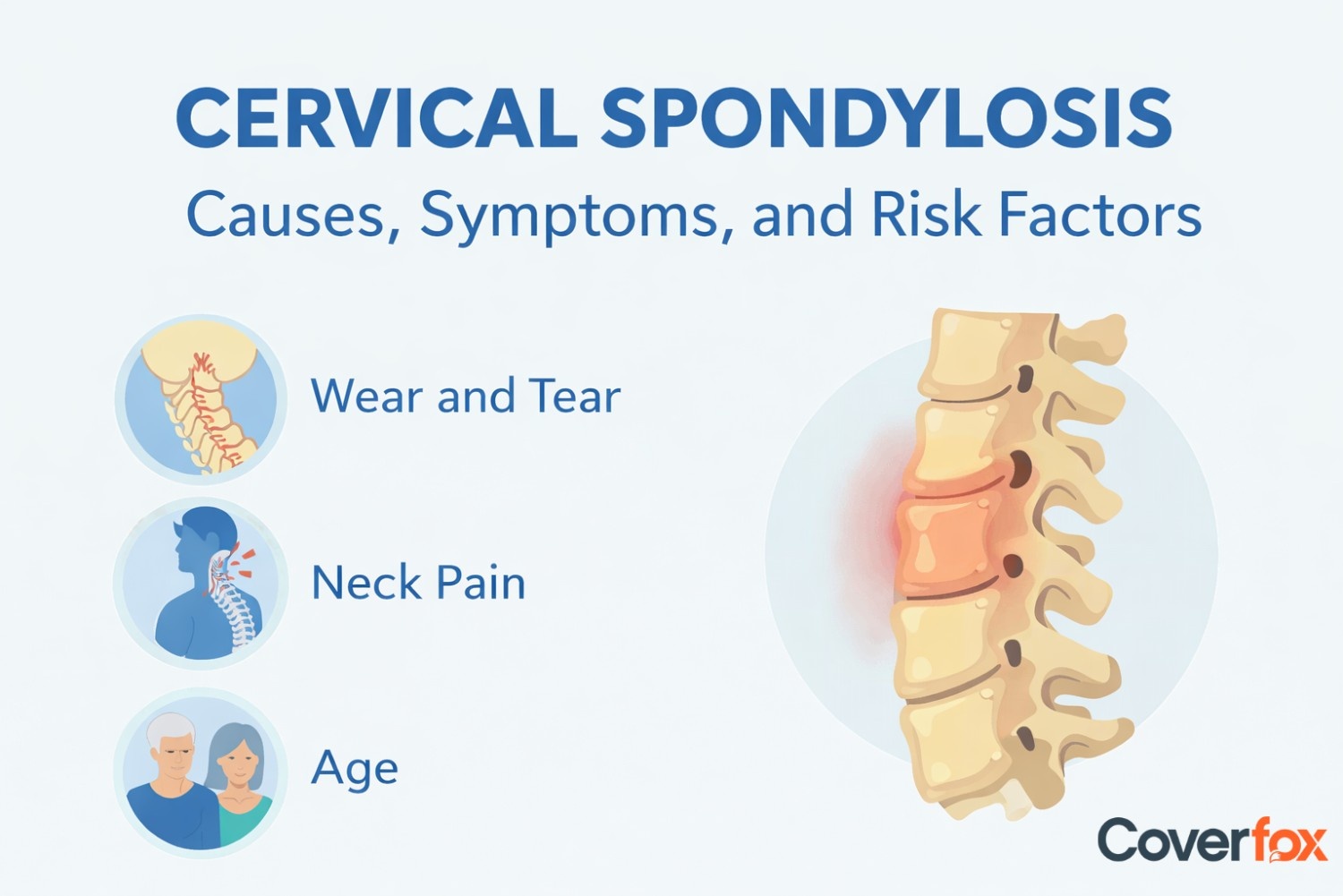
Cervical spondylosis is an age-related degenerative condition affecting the cervical spine (neck). It develops due to disc dehydration, bone spur formation, and ligament stiffness over time. Common symptoms include chronic neck pain, stiffness, headaches, tingling in the arms, and reduced neck mobility. Risk factors such as prolonged screen time, poor posture, sedentary lifestyle, and aging increase its prevalence. While the condition cannot be fully reversed, early diagnosis, physiotherapy, medications, and lifestyle changes help manage symptoms effectively and prevent complications like cervical radiculopathy or myelopathy.
Degenerative spine diseases are becoming more common in people of all ages because of increased exposure to screens and sitting habits, along with poor posture. One of the most frequent spinal disorders that occurs in the cervical spine is cervical spondylosis. It is an age-related, progressive condition that, if not diagnosed early enough, can greatly affect how you carry out your daily activities, according to the medical literature.
Overview of Cervical Spondylitis
The cervical spondylosis meaning refers to degenerative changes affecting the cervical spine, including disc dehydration, osteophyte formation, and ligament stiffness. These changes develop over time due to continued use of the structures of the spine. The term spondylitis neck is commonly used in clinical practice to describe inflammation or degeneration affecting the neck vertebrae, though “spondylosis” is the medically accurate term for degenerative changes. Cervical spondylosis is highly prevalent after 40 and worsens with age.
What are the Signs and Indicators of Cervical Spondylitis?
Clinical presentation of both the severity of neurological impairment and the level of neurological degeneration varies. Common cervical symptoms include:
Chronic neck pain or stiffness
Pain radiates to either the bilateral shoulders or the arms
Tingling or loss of feeling in the upper extremities
Headaches that originate from the cervical region
Limited available motion of the neck
In advanced cases, the above-mentioned symptoms may be accompanied by signs of nerve compromise from compression trauma to the spinal cord. The presence of persistent signs and cervical symptoms related to this condition requires evaluation by a physician to rule out the potential for long-term complications.
Medical Causes of Cervical Spondylosis
Multiple physiological and lifestyle-related factors contribute to the possible cervical spondylosis causes, including:
Age-related disc degeneration
Repetitive neck strain from occupational activities
Poor ergonomic posture
Previous neck injuries
Genetic predisposition
Prolonged desk work and inadequate posture are emerging contributors to cervical spondylosis among working adults in India.

Cervical Spondylosis Risk Factors and Possible Complications
Unmanaged cervical spondylosis may result in the development of complications such as cervical radiculopathy or myelopathy. The following risk factors are associated with the development:
Increasing age
Sedentary lifestyle
Smoking
Obesity
Occupations involving repetitive neck movement
Medically Recommended Treatment Options for Cervical Spondylitis
The primary goal for cervical spondylitis treatment is controlling the symptoms and preventing neurological deterioration. Treatment options include:
Use of NSAIDs
Neck strengthening through physiotherapy
Short-term use of cervical collars
Steroid injections in severe pain cases.
Surgical intervention will only be considered when conservative measures for cervical spondylitis have failed or when there has been progression in neurological deficits.
Nutritional Recommendations for Cervical Spondylitis
Dietary management supports musculoskeletal health by reducing inflammation and improving bone strength:
Calcium-rich foods such as dairy and leafy greens
Vitamin D sources, including fortified foods
Omega-3 fatty acids from nuts and seeds
Adequate hydration
Key Takeaways
Cervical spondylosis is a progressive, age-related spinal condition that can significantly affect quality of life if left unmanaged. However, early diagnosis, structured physiotherapy, ergonomic correction, and appropriate medical treatment can help control symptoms and prevent neurological complications.
For individuals experiencing persistent neck pain or advanced complications requiring imaging, hospitalization, or surgical intervention, having comprehensive health insurance coverage can reduce the financial burden of diagnostics, specialist consultations, and long-term treatment. Reviewing policy terms for coverage related to spine disorders, pre-existing conditions, waiting periods, and physiotherapy benefits is advisable to ensure adequate protection.
Explore More Articles to Read:
A Complete Guide to Buying Health Insurance
What is the health insurance policy cost by age?
Frequently Asked Questions
Is cervical spondylosis curable?
The condition is not completely reversible, but the symptoms of it can be treated successfully through medicine.
Can exercise cure cervical spondylosis?
Exercise will not cure cervical spondylosis; however, it helps reduce stiffness in the neck, increase the range of motion, and strengthen the muscles of the neck.
What are the dangers of cervical spondylosis?
If you do not treat cervical spondylosis correctly, nerve roots could become pinched. This usually results in arm and hand pain, weakness, and/or numbness.
Which sleeping position is ideal for cervical pain?
Sleeping on your back with adequate neck support (to keep your head/neck in a neutral position) promotes proper spinal alignment and reduces the strain on the cervical spine while lying down.
Is walking good for spondylosis?
Walking is a low-impact activity that maintains normal movement of the spine and promotes good overall musculoskeletal health.
What are the first signs of cervical issues?
Early signs commonly include neck stiffness, discomfort, and pain radiating to the shoulders or arms.
Disclaimer: This article is intended for informational and educational purposes only and should not be considered medical advice, diagnosis, or treatment. The information provided is based on general medical literature and may not apply to individual health conditions. Readers are advised to consult a qualified healthcare professional for proper evaluation and personalized medical guidance. Insurance coverage terms, exclusions, and waiting periods vary by insurer and policy type.