Heat exhaustion is an early-stage condition that can be managed with hydration and cooling, while heat stroke is a medical emergency requiring immediate care. Recognising symptoms early and taking timely action can prevent serious complications. Staying hydrated, avoiding excessive heat exposure, and having health insurance can help you stay protected during extreme summer conditions.
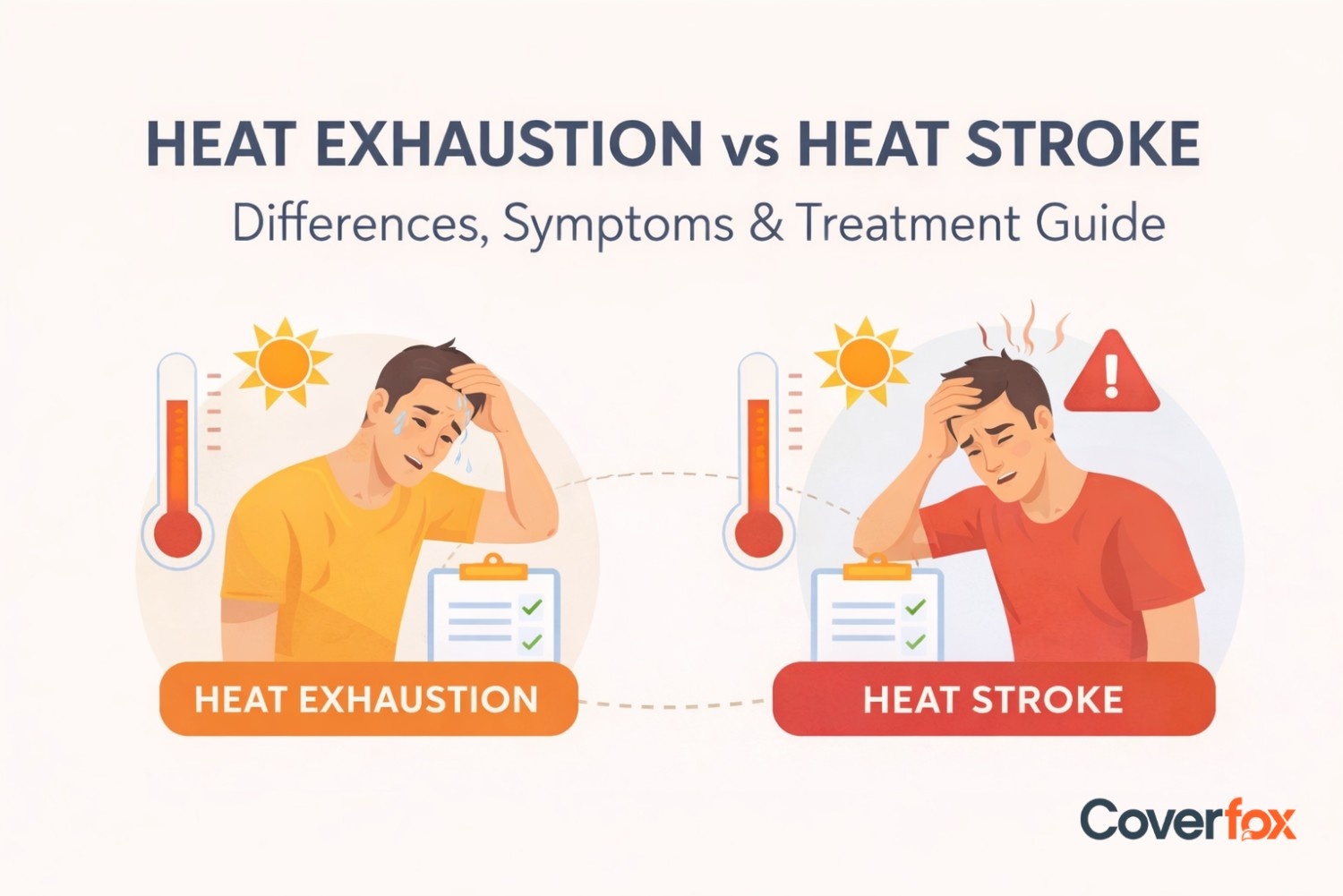
Long hours under the sun can cause multiple heat-related illnesses. Heat exhaustion and heat stroke are two of them. While both of these illnesses sound very similar, they are completely different phenomena and require different types of attention. Let us understand deeply what heat stroke and exhaustion are, how they differ from each other and how to deal with them through this article.
What is Heat Exhaustion?
Heat exhaustion is a heat-related condition that occurs when your body loses excess water and salt due to prolonged exposure to high temperatures, especially with dehydration. It is less severe than heat stroke but still requires timely attention to prevent complications. If not managed properly, it can progress into heat stroke.
Common Symptoms of Heat Exhaustion:
Heavy sweating
Weakness or fatigue
Dizziness or fainting
Headache
Nausea or vomiting
Muscle cramps
Pale, cool, and clammy skin
Rapid but weak pulse
What is Heat Stroke?
Heat stroke is a severe heat-related condition that occurs when the body’s temperature rises above 40°C, and the body can no longer cool itself. It is a medical emergency and requires immediate treatment, as it can lead to serious complications affecting the brain and other vital organs.
Common Symptoms of Heat Stroke:
High body temperature (above 40°C)
Hot, dry skin (sometimes with no sweating)
Confusion or altered mental state
Seizures or unconsciousness
Throbbing headache
Rapid, strong pulse
Nausea or vomiting
Difficulty breathing
Key Differences Between Heat Exhaustion and Heat Stroke
| Basis | Heat Exhaustion | Heat Stroke |
|---|---|---|
| Severity | Moderate condition | Severe, life-threatening emergency |
| Body Temperature | Goes between 37°C to 40°C (98.6°F to 104°F) | Occurs when it hits above 40°C (above 104°F) |
| Sweating | Heavy sweating present | Little to no sweating (skin may be dry) |
| Skin Condition | Cool, pale, and clammy | Hot, red, and dry |
| Mental State | Dizziness, weakness, fainting | Confusion, disorientation, seizures |
| Pulse | Rapid but weak | Rapid and strong |
| Onset | Develops gradually | Can occur suddenly |
| Risk Level | Can worsen if untreated | Requires immediate medical attention |
| Treatment Approach | Cooling, hydration, rest | Emergency medical care + rapid cooling |
Causes and Risk Factors
Heat-related illnesses like heat exhaustion and heat stroke are usually caused by prolonged exposure to high temperatures, dehydration, and excessive physical activity in hot environments. Factors like humidity, lack of fluid intake, and inadequate rest can further increase the risk.
Causes & Risk Factors for Heat Exhaustion:
Dehydration due to excessive sweating
Prolonged exposure to heat or sun
Intense physical activity in hot weather
Wearing heavy or non-breathable clothing
Alcohol consumption or poor fluid intake
Causes & Risk Factors for Heat Stroke:
Untreated or prolonged heat exhaustion
Extremely high temperatures with high humidity
Dehydration leading to failure of the body’s cooling system
Strenuous activity under direct sunlight
Certain medical conditions or medications affecting temperature regulation

Who is Most at Risk?
Certain groups are more vulnerable to heat-related illnesses due to their body’s reduced ability to regulate temperature or higher exposure to heat.
Infants and young children: Their bodies cannot regulate temperature efficiently
Elderly individuals: Reduced ability to adapt to heat and higher chances of dehydration
People with chronic illnesses: Conditions like heart disease or diabetes increase risk
Outdoor workers: Prolonged exposure to heat and sun
Athletes: Intense physical activity in hot conditions raises body temperature
People on certain medications: Some drugs affect hydration and heat regulation
Individuals with poor hydration habits: Increased risk due to fluid imbalance
First Aid for Heat Exhaustion
If someone shows signs of heat exhaustion, quick action can help prevent it from turning into heat stroke:
Move to a cool place: Shift the person to a shaded or air-conditioned area
Encourage fluid intake: Give water or oral rehydration fluids in small, frequent sips
Allow proper rest: Make the person lie down and relax
Loosen or remove tight clothing: Helps the body cool down faster
Use cool compresses: Apply a wet cloth, ice packs, or sprinkle cool water on the skin
Elevate legs slightly: Improves blood circulation if the person feels faint
Emergency Treatment for Heat Stroke
Heat stroke is a medical emergency and requires immediate action:
Call emergency services immediately: Seek urgent medical help without delay
Move to a cooler environment: Shift the person to shade or an air-conditioned space
Start rapid cooling: Use ice packs, cold water sponging, or a cool bath to lower body temperature
Remove excess clothing: Helps release trapped heat
Monitor breathing and consciousness: Be prepared to assist if the person becomes unresponsive
Do not give fluids if unconscious: This can lead to choking or complications
When to Seek Medical Help
Seek medical help if symptoms of heat exhaustion do not improve within 30 minutes despite cooling and hydration, or if they worsen. For heat stroke, immediate medical attention is critical. Call emergency services right away if there are signs like confusion, very high body temperature, or unconsciousness.
Prevention Tips for Heat-Related Illnesses
Taking simple precautions can significantly reduce the risk of heat exhaustion and heat stroke, especially during extreme heat conditions.
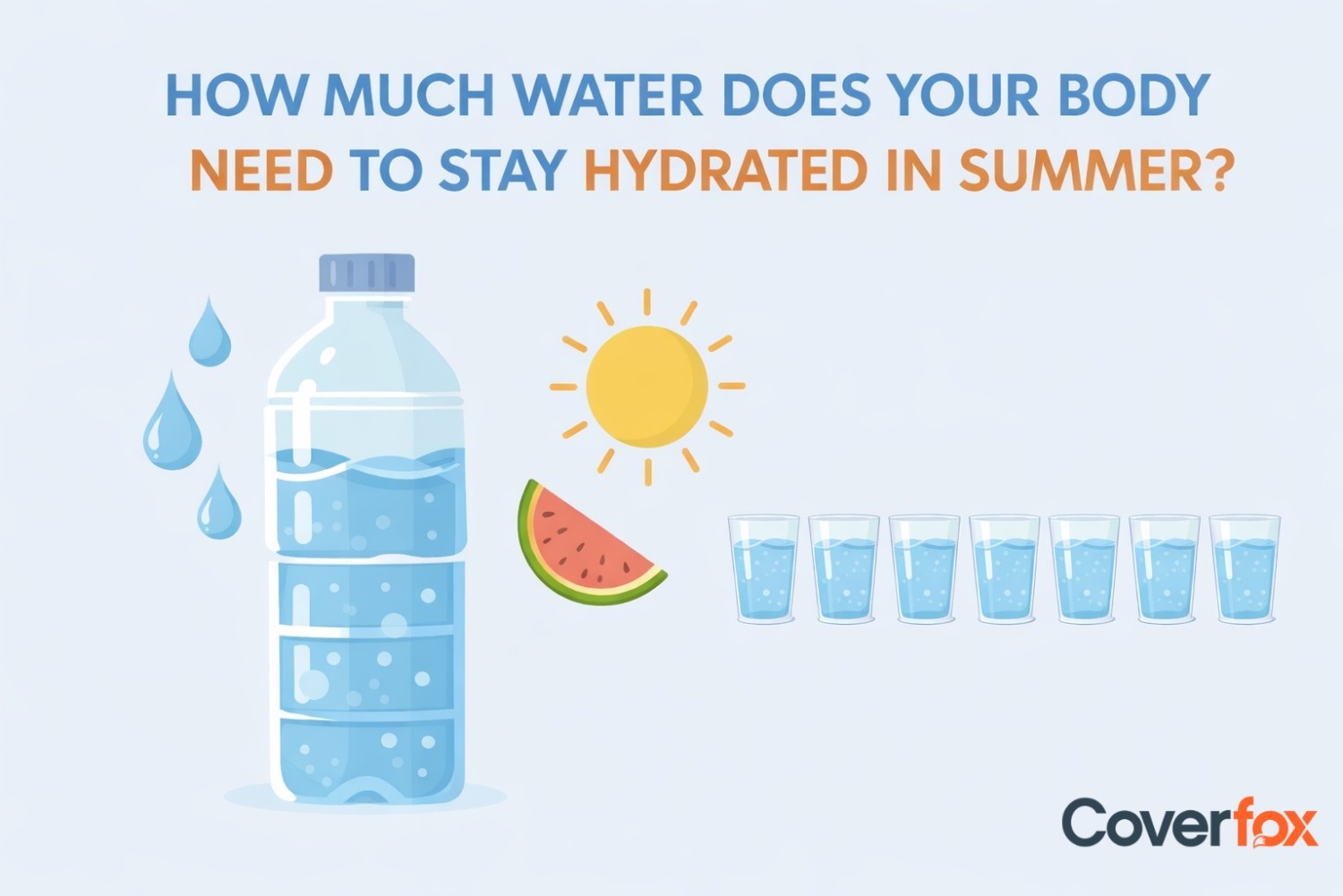
Stay well-hydrated throughout the day.
Avoid direct sun exposure during peak hours
Wear light, loose, and breathable clothing
Take frequent breaks when outdoors
Use hats, sunglasses, or umbrellas for protection
Avoid strenuous activity in extreme heat
Never leave anyone in parked vehicles
Keep indoor spaces cool and ventilated
Limit alcohol and caffeine intake in hot weather
Eat light, water-rich foods like fruits and salads
Final Words
While both conditions need attention, heat exhaustion can usually be managed with simple steps like cooling the body and staying hydrated. However, heat stroke is a serious medical emergency that requires immediate treatment to prevent severe complications. In many cases, heat exhaustion acts as an early warning sign of heat stroke if ignored.
While summer days and vacations are enjoyable, prolonged exposure to heat can lead to unexpected medical situations. This is where having health insurance becomes important, as it helps cover hospitalisation and treatment costs, reducing financial stress during emergencies. Staying hydrated, avoiding excessive sun exposure, and being prepared with the right coverage can help you stay safe and protected during the summer months.
Related Articles:
Understanding Heat-Related Illnesses: What Your Health Insurance Covers
Frequently Asked Questions
Q. What is the main difference between heat exhaustion and heat stroke?
The main difference between heat exhaustion and heat stroke is that heat exhaustion is a milder condition caused by dehydration and prolonged heat exposure, whereas heat stroke is a severe and life-threatening condition in which the body temperature rises above 40°C and the body loses its ability to cool itself.
Q. Can heat exhaustion turn into heat stroke?
Yes, heat exhaustion can turn into heat stroke if it is not treated in time, as the body continues to overheat and eventually fails to regulate its temperature.
Q. What are the early warning signs of heat exhaustion?
The early warning signs of heat exhaustion include heavy sweating, weakness, dizziness, nausea, headache, and muscle cramps, which indicate that the body is struggling to cope with heat.
Q. What are the danger signs of heat stroke?
The danger signs of heat stroke include very high body temperature, confusion, hot and dry skin, seizures, and unconsciousness, all of which require immediate medical attention.
Q. How quickly should heat stroke be treated?
Heat stroke should be treated immediately as a medical emergency, since any delay in treatment can lead to serious complications such as organ damage or brain injury.
Q. Can I treat heat exhaustion at home?
Heat exhaustion can usually be treated at home with rest, proper hydration, and cooling measures, provided the symptoms improve quickly and do not worsen.
Q. Do I need to go to the hospital for heat exhaustion?
You should seek medical help for heat exhaustion if the symptoms do not improve within 30 minutes or if they worsen despite first aid measures.
Q. Is heat stroke life-threatening?
Heat stroke is a life-threatening condition that requires urgent medical attention, as it can lead to severe complications or even death if not treated promptly.
Q. Who is most at risk of heat-related illnesses?
People who are most at risk of heat-related illnesses include infants, elderly individuals, outdoor workers, athletes, and those with chronic illnesses or poor hydration levels.
Q. How can I prevent heat exhaustion and heat stroke?
Heat exhaustion and heat stroke can be prevented by staying hydrated, avoiding exposure to extreme heat, wearing light and breathable clothing, and taking regular breaks in hot conditions.
Disclaimer:
This article provides informational content only and should not be substituted for medical advice. For proper medical care, rely on healthcare professionals only.