Staying hydrated during summer is absolutely essential. Generally, 2-3 litres of water is recommended for an average person. But, during summer, this requirement increases due to water loss through sweat, and also through activities a person engages in. However, drinking the ideal level of fluids is necessary, as overhydration can cause issues like hyponatremia.
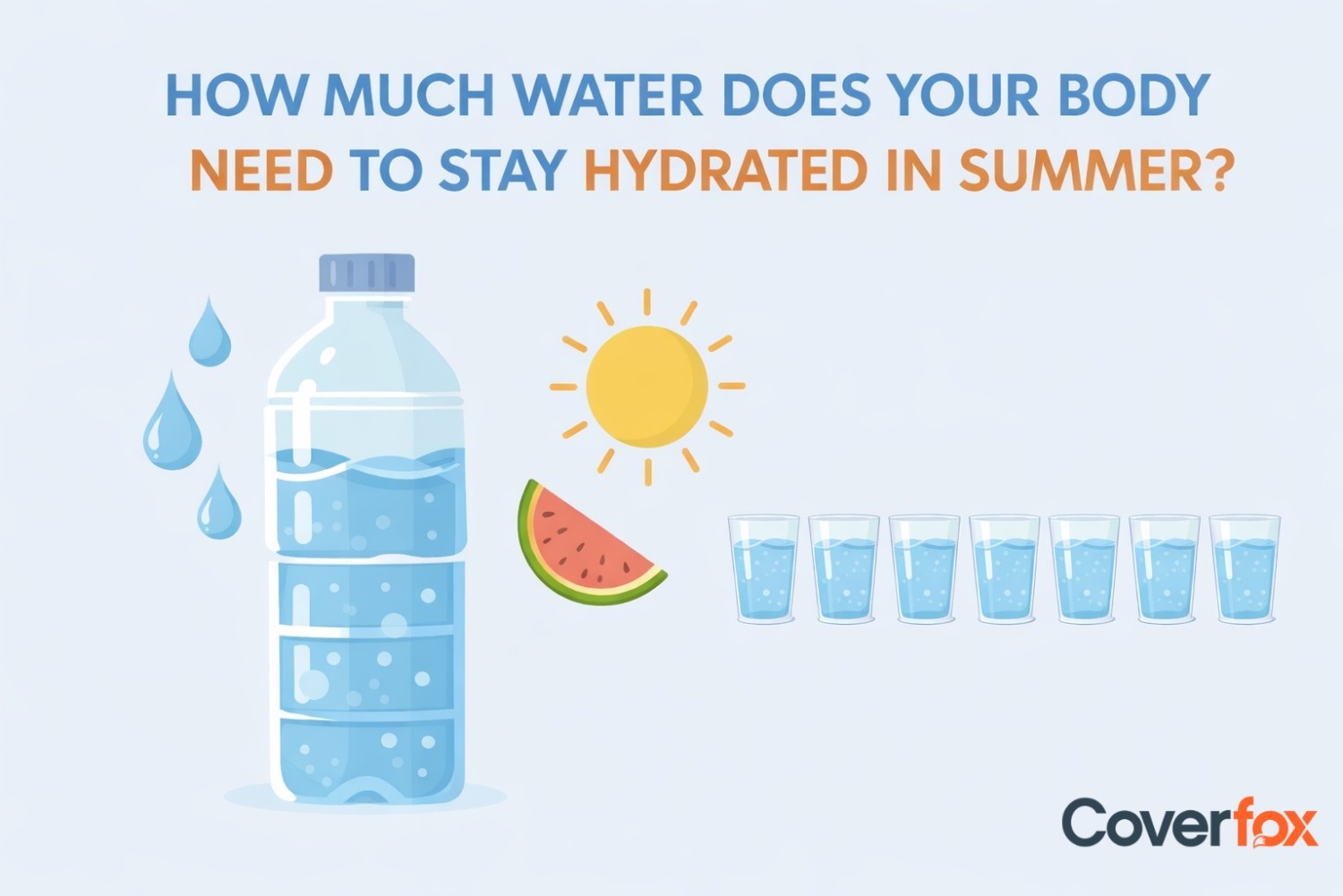
Dehydration is a major concern in the summer heat. Whether you go out to play, travel somewhere, or just take a stroll down the street, being in the sun makes you thirsty. In the summer, fluid levels inside your body deplete on a faster scale, making you thirsty. So the question arises, how much water does your body need to stay hydrated in the summer? Read along to know the answer.
Why is Hydration Important in Summer?
Staying hydrated in summer is essential as your body loses more fluids through sweat. Water helps regulate temperature and keeps vital systems functioning efficiently.
Regulates body temperature: Supports sweating and cooling, preventing overheating and heat-related illnesses.
Maintains energy levels: Prevents fatigue, dizziness, and low concentration caused by reduced blood volume.
Supports digestion: Aids in breaking down food and prevents constipation or bloating.
Boosts bodily functions: Helps transport nutrients, remove toxins, and keep joints and muscles working smoothly.
Improves overall well-being: Reduces headaches, irritability, and keeps your skin and mind healthy.
How Much Water Should You Drink Daily in Summer?
In summer, your body needs more water as you lose fluids through sweat. Generally, institutions like the National Academies recommend ~2.7 L for women and 3.7 L for men daily, based on large population studies of hydration needs.
Water intake increases with hot weather, physical activity, and humidity, as your body sweats more to stay cool. Factors like age, body weight, and lifestyle also influence how much you need; active individuals or those outdoors may require significantly more hydration.
Factors That Affect Your Daily Water Requirement
Your daily water requirement isn’t fixed; it varies based on several personal and environmental factors. Understanding these helps you stay properly hydrated, especially in summer.
Body weight:
Physical activity:
Diet:
Environmental conditions:
Heavier individuals generally need more water, as a larger body requires more fluids to maintain normal functions.
Exercise or outdoor work increases sweating, leading to higher fluid loss and greater hydration needs.
Foods high in salt, sugar, or protein increase water demand, while water-rich foods like fruits and vegetables contribute to hydration.
Hot, humid climates cause more sweating, while dry or high-altitude areas can also increase fluid loss.

Signs Your Body Needs More Water
Your body often gives clear signals when it needs more water. Recognising these early signs can help prevent dehydration and keep you feeling your best.
Thirst:
Fatigue:
Dry skin & lips:
Dizziness or headaches:
Dark-coloured urine:
This is the most obvious sign. If you feel thirsty, your body is already slightly dehydrated.
Low fluid levels can reduce energy and make you feel tired or sluggish.
Lack of hydration can make your skin feel dry, tight, or less elastic.
Reduced blood flow and oxygen delivery can lead to lightheadedness or headaches.
Darker yellow urine usually means you need more water, while pale yellow suggests proper hydration.
What Happens If You Don’t Drink Enough Water in Summer?
Not drinking enough water in summer can quickly lead to dehydration, affecting both your physical and mental performance.
As fluid loss increases through sweat, the body struggles to function efficiently.
1. Heat exhaustion:
Lack of fluids makes it harder for your body to cool down, increasing the risk of overheating, heavy sweating, and weakness.
2. Headaches:
Dehydration can reduce blood flow to the brain, triggering frequent headaches or migraines.
3. Low energy levels:
Reduced hydration affects circulation and oxygen delivery, leading to fatigue and sluggishness.
4. Impaired concentration:
Even mild dehydration can impact focus, memory, and overall cognitive performance.
Can You Drink Too Much Water?
Yes, drinking too much water can be harmful. It can lead to Hyponatremia, where sodium levels in the blood become dangerously diluted, affecting brain and nerve function. This usually happens only with excessive intake in a short time, so it’s best to drink steadily and listen to your body’s needs.
Best Ways to Stay Hydrated in Summer
Here are some tips that will help you stay hydrated in the summer:
Drink water regularly: Don’t wait until you’re thirsty, sip water throughout the day to maintain consistent hydration.
Eat water-rich foods: Include fruits and vegetables like watermelon, cucumber, and oranges that naturally boost fluid intake.
Limit caffeine & sugary drinks: Excess caffeine and sugar can increase fluid loss or reduce effective hydration.
Carry a water bottle: Keeping water handy makes it easier to build a habit, especially when you’re outdoors or travelling.
Increase intake during activity: Drink extra fluids if you’re exercising or spending time in the sun to replace lost sweat.
Hydration Tips for Different Age Groups
Proper hydration needs vary across age groups, and understanding these differences is key to maintaining health and preventing dehydration.
| Age Group | Hydration Needs | Key Considerations |
|---|---|---|
| Children | Moderate, but frequent intake needed | May not feel thirst early; encourage regular water breaks and hydrating foods |
| Adults | Varies based on activity and environment | Higher needs during exercise, outdoor work, or hot weather |
| Elderly | Consistent intake is crucial | Reduced thirst sensation; higher risk of dehydration, so scheduled drinking is important |
Does Physical Activity Increase Water Needs?
Yes, physical activity increases water needs as your body loses fluids through sweat. The more intense or longer the activity, especially in hot weather, the greater the fluid loss. Replenishing water during and after exercise is essential to maintain energy, prevent dehydration, and support recovery.
Common Myths About Drinking Water
Let's do some mythbusting:
- “Everyone must drink 8 glasses a day”:
- “Only water counts for hydration”:
- “You only need to drink when thirsty”:
- “Clear urine always means perfect hydration”: Very clear urine can sometimes indicate overhydration; pale yellow is ideal.
This is a general guideline, not a rule; your needs vary based on body size, activity, and climate.
Not true, fluids from foods (like fruits and vegetables) and drinks like milk or soups also contribute.
Thirst is a late signal; you may already be mildly dehydrated by then.
Wrapping Up
Drinking water, staying hydrated in the summer, is absolutely essential. While staying hydrated helps avoid problems like headaches, loss of concentration, and low energy levels, overhydration can cause issues like Hyponatremia. So, maintaining a proper balance is essential. In case you are diagnosed with diseases like hypoatremia, you can rely on health insurance to have your back financially. So, stay hydrated, and enjoy the summer care-free!
Related Articles:
High Body Heat Causes and Symptoms
Normal Blood Pressure Range for Different Age Groups
Frequently Asked Questions
How much water should I drink daily in summer?
In summer, most adults should aim for around 2–3 litres of water daily, but this can increase depending on factors like body weight, physical activity, and climate. If you’re sweating more due to heat or exercise, your body will require additional fluids to stay balanced and prevent dehydration.
Why is hydration more important during summer?
Hydration becomes critical in summer because your body loses more fluids through sweat to regulate temperature. Without enough water, your body struggles to cool down, increasing the risk of heat exhaustion, fatigue, and other heat-related health issues.
What are the signs of dehydration?
Common signs of dehydration include persistent thirst, dry mouth or skin, fatigue, dizziness, headaches, and dark yellow urine. In more severe cases, dehydration can lead to confusion, rapid heartbeat, or fainting, which require immediate attention.
Can drinking too much water be harmful?
Yes, excessive water intake in a short time can lead to Hyponatremia, where sodium levels in the blood become dangerously diluted. This can affect brain function and, in severe cases, become life-threatening.
Do fruits help with hydration?
Yes, many fruits like watermelon, oranges, and cucumbers have high water content and contribute to your daily fluid intake. They also provide essential vitamins and minerals, making them a healthy way to support hydration.
Should I drink more water if I exercise in summer?
Absolutely. Physical activity increases sweating, which leads to greater fluid loss. You should drink water before, during, and after exercise to maintain hydration, energy levels, and proper muscle function.
Are sports drinks necessary for hydration?
For most people doing light to moderate activities, water is sufficient. Sports drinks may be useful during intense or prolonged exercise as they help replace electrolytes lost through sweat, but they should be consumed in moderation due to added sugars.
Can dehydration cause headaches?
Yes, dehydration can reduce blood flow and oxygen supply to the brain, often triggering headaches or migraines. Drinking water can help relieve and prevent such symptoms.
How can children stay hydrated during summer?
Encourage children to drink water regularly, even if they don’t feel thirsty. Including water-rich fruits, offering fluids frequently during play, and avoiding excessive sugary drinks can help maintain proper hydration.
When should I seek medical help for dehydration?
You should seek medical attention if symptoms become severe, such as extreme dizziness, confusion, rapid heartbeat, very little or no urination, or fainting. These may indicate serious dehydration that requires prompt treatment.