
Sleep is crucial in the overall health of a person, but most people have problems sleeping peacefully. Stress, work requirements, or some underlying illnesses typically cause sleep problems. Insomnia is a common sleeping disorder with serious consequences on the physical and mental health of the body when not addressed.
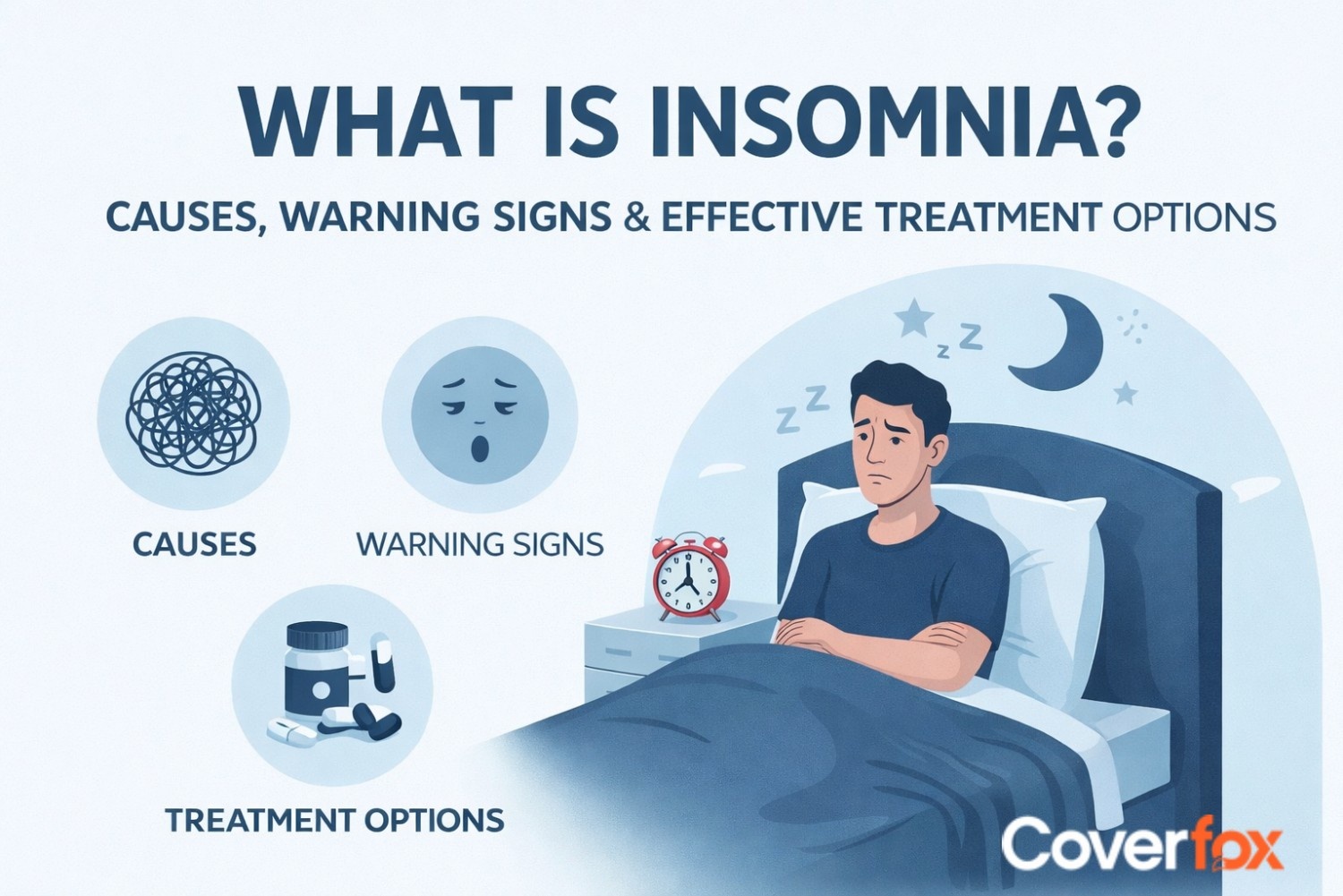
The guide will discuss insomnia, its definition, its frequent causes, the main symptoms it presents, and evidence-based treatment approaches to help promote better sleep quality and overall wellness.
What is Insomnia?
Insomnia is a sleep disorder that frequently prevents you from getting a sound night’s sleep. People have difficulty falling or staying asleep and generally end up sleeping late and waking up really early in the morning. All of these behaviours can lead to lethargy and mood irritability, which can further go on to affect work performance and quality of life.
Different Types of Insomnia
There are two types of insomnia, namely, Primary and Secondary. Here is what each of them means:
Primary Insomnia
Secondary Insomnia
This type of insomnia is a standalone problem and is not caused because of any linked medical condition. A person can have excellent emotional and physical health and still face sleep issues.
This type occurs due to a health condition, which could be asthma, depression, arthritis, cancer, or heartburn. Even the use of substances, chronic pain, or medications may cause this.

Common Causes of Insomnia
To understand the reasons for insomnia, it is necessary to understand what acute and chronic insomnia are. Acute may last for a night to a few weeks, while it gets chronic when it happens at least 3 nights a week for more than 3 months.
| Type of Insomnia | Common Causes |
|---|---|
| Acute Insomnia (short-term) | Stress or anxiety after an upsetting event Physical pain due to illness or injury Sleeping in a new environment (like a new house or hotel) Change in routine caused by jet lag or work shifts Certain medications that affect sleep Lack of physical activity during the day Eating a heavy meal at night Watching TV or using phones and computers before bed |
| Chronic Insomnia (long-term) | Family history of insomnia Long-lasting pain or chronic illness Mental health issues like depression or substance use disorder Other sleep disorders, such as snoring or sleep apnoea Medical conditions like diabetes, cancer, heart disease, acid reflux, restless leg syndrome, or overactive thyroid Being a light or easily disturbed sleeper |
Major Symptoms of Insomnia
Check out the list of various insomnia symptoms given below:
Trouble falling asleep and lying awake for a long time at night.
Waking up many times during the night and finding it hard to sleep again.
Feeling sleepy and worn out during the day.
Difficulty in focusing, thinking clearly, or remembering things.
Feeling irritable, anxious, or sad due to lack of sleep.
Physical discomfort, like muscle tension or frequent headaches.
Indigestion, acidity, or other stomach problems.
Weakened immune system, leading to frequent illness.
Loss of motivation or low energy throughout the day.
Increase in small mistakes or accidents due to slower reaction time.
Worrying too much about not being able to sleep, which makes it worse.
Depending on sleeping pills or other substances to fall asleep.
Poor performance at work, school, or in social activities because of tiredness.
Impact of Insomnia on Overall Health
Here is how insomnia can end up creating a big impact on your lifestyle and health:
Mental health: People who don’t sleep enough often feel sad, worried, or stressed. It can also cause confusion and mood swings.
Physical health: Lack of sleep makes you feel weak and drained all day and can further lead to heart problems, high blood pressure, and weight gain.
Brain and thinking ability: Poor sleep makes it challenging to focus, remember things, or learn new skills. You may make more mistakes because you react more slowly.
Safety: Feeling sleepy or fatigued increases the chance of accidents, especially while driving or working.
Daily life: Insomnia affects your memory, decision-making, and work performance. Sleeping less also makes you careless or take more risks.
Options for Insomnia Treatment.
The various ways of treating insomnia are as follows:
CBT-I, Cognitive Behavioural Therapy of Insomnia
Sleep medications, including Ambien, Halcion, or Lunesta
Changes of lifestyle
Considered to be a powerful non-medical strategy for treating persistent sleep disorders. This treatment is meant to change behaviours and thinking patterns that negatively affect sleep. Some of the techniques can involve the use of the bed as a place of sleep and also restricting the time one spends awake in bed, which can enhance the efficiency of sleep. Nevertheless, CBT-I is to be administered by trained medical workers to make the strategies more appropriate.
Used over a short period of time. These drugs are associated with side effects and dependency, and they must be taken strictly under the supervision of a medical professional.
Warm milk or herbal teas and adherence to relaxing bedtime rituals are often recommended to help in relaxation. Alternative methods such as valerian root and acupuncture are also being investigated as stress relievers, but their effectiveness is not yet established beyond any doubt. Patients need to consult medical professionals on all treatments and other supplements to make sure they are safe and suitable.
Useful Tips to Manage and Cope with Insomnia
To promote sleep and deal with the symptoms of insomnia, people adhere to the evidence-based approaches suggested by the clinical guidelines, including the American College of Physicians (ACP) and the European Insomnia Guideline.
Cognitive Behavioural Therapy for Insomnia (CBT-I) is the initial intervention for chronic insomnia, and research evidence indicates long-lasting benefits in up to 80 percent of patients. They are stimulus control (bed only to sleep), sleep restriction (spend as little time as possible in bed), and relaxation, such as progressive muscle relaxation.
A fundamental method is Sleep Hygiene Practices. It is recommended to have regular sleeping patterns, not to take caffeine after noon, and to do away with daytime naps over 20 minutes. Exercise (at least 30 minutes a day most days) improves the quality of sleep, according to ACP guidelines. Heavy meals and alcohol should be stopped 3-4 hours before going to bed.
When to Consult a Professional: Lifestyle interventions are enough in mild, acute insomnia (less than 3 months). The doctor should assess permanent symptoms, such as the inability to sleep 3 or more nights per week for 3 or more months. Clinicians evaluate the underlying conditions, such as sleep apnoea or depression, and then prescribe CBT-I or short-term medications.
The patients meet the healthcare providers to customise plans and track progress so that they can have safe and effective management.
Key Takeaways
In conclusion, never underestimate the importance of getting a good night's sleep. Be sure to understand the reasons for insomnia to take a step towards treating it. Make necessary changes to your lifestyle, avoid stress, engage in yoga, and always consult your doctor when required.
Having a robust health insurance plan covers costs related to the diagnosis or treatment of such conditions.
Articles to Read:
Most Common Diseases in India Its Impact on Health Insurance
Parkinson's Disease: Causes, Symptoms & Prevention
Alzheimer's: Causes, Symptoms & Prevention
Frequently Asked Questions
What is insomnia?
The sleep disorder that makes it difficult for you to fall or stay asleep, causing you to wake up lethargic and irritable, is termed as insomnia.
What are the reasons for insomnia?
The reasons for insomnia can be many, ranging from stress, anxiety, poor sleep habits, irregular schedules, and use of caffeine or alcohol, to even medical conditions like asthma or arthritis.
Is insomnia a disease?
No, insomnia is not termed as a disease but a disorder. It is known to affect the quality of your sleep and is typically treatable.
When should I see a doctor for insomnia?
Visit a doctor or specialist if you have been experiencing chronic sleep difficulties lasting for more than three nights a week over a period of three months or longer. This may further lead to concentration issues, anxiety, and even irritability.



.webp)
 in Insurance.webp)

