Low haemoglobin in men often signals underlying health issues that can affect energy, immunity, and heart function. Common causes include nutritional deficiencies, chronic diseases, blood loss, and lifestyle factors. Recognising early symptoms, understanding risks, and adopting timely treatment through diet, supplements, and medical care can help restore healthy haemoglobin levels and prevent long-term complications.
Low haemoglobin in males can go unnoticed while silently impacting energy, stamina, and overall health. This article explains the normal haemoglobin range for adult men, 6 common causes of low haemoglobin, key symptoms to watch for, potential complications if untreated, and practical treatment and lifestyle strategies to improve haemoglobin levels. With early detection, proper diagnosis, dietary changes, medical treatment, and supportive health insurance coverage, men can maintain vitality and protect their long‑term health.
Understanding Haemoglobin in Males
Haemoglobin is a protein in red blood cells that carries oxygen from the lungs to the body. In men, the normal haemoglobin level is expected to fall within a specific range; when it falls below that range, it affects the body's oxygen levels.
The normal haemoglobin level in a male adult is expected to be around 13.5-17.5 g/dL.
When haemoglobin levels fall below 13 g/dL in men, it is considered low and may indicate anaemia.
Low haemoglobin levels in males may progress slowly, so they might not notice a problem until it becomes obvious.
Why Is Haemoglobin Important for Men’s Health?
Haemoglobin is a critical component in the transportation of oxygen to the muscles, brain, and other organs in the body. When haemoglobin levels are normal, men feel energetic and physically capable. However, when the level is low, even simple tasks become difficult, and physical activities become taxing, leading to fatigue and decreased overall performance in daily life.
Healthy haemoglobin in males also helps promote a healthy immune system and protects the heart from having to work too hard to pump oxygenated blood. Prolonged low haemoglobin levels can strain the cardiovascular system and lower vitality.

Reasons for Low Haemoglobin in Males
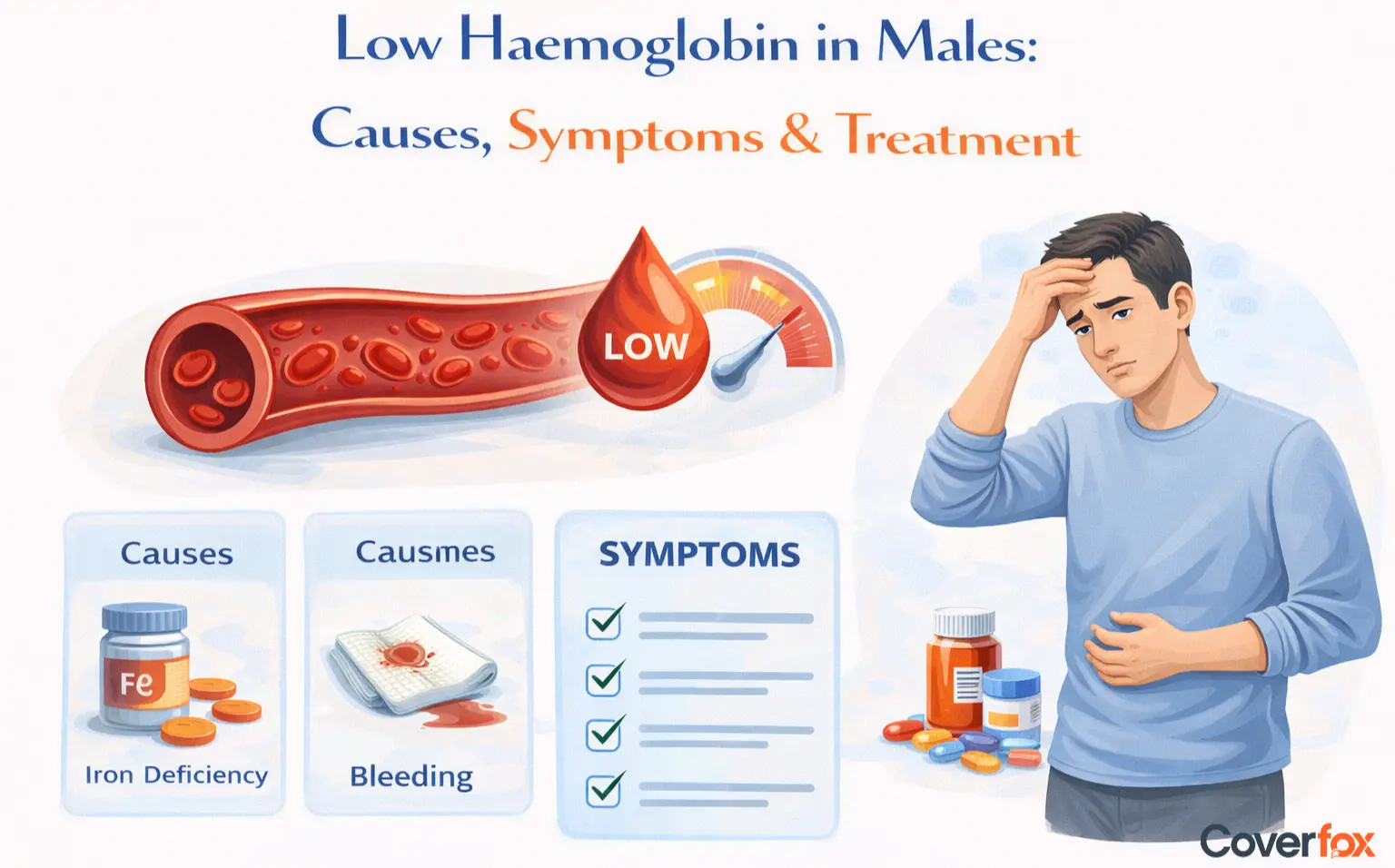
Low haemoglobin is not a disease but a symptom of an underlying problem. The following are some of the most common reasons for low haemoglobin in men:
Iron Deficiency
Vitamin B12 and Folate Deficiency
Chronic Blood Loss
Chronic Conditions
Bone Marrow Disorders
Lifestyle and Diet Factors
Iron deficiency is one of the most common causes of low haemoglobin. Since iron is essential for the production of haemoglobin, inadequate iron can result in low haemoglobin.
Vitamins B12 and folate are essential for the production of healthy red blood cells. Inadequate intake or poor absorption of these vitamins will result in low haemoglobin.
Internal bleeding in the digestive tract or other internal sources can lead to low haemoglobin.
Chronic illnesses such as kidney disease, diabetes, or infections can affect red blood cell production.
Rare but dangerous, bone marrow disorders are among the diseases that affect blood production.
Excess alcohol, cigarette smoking, and diets that lack essential nutrients can cause low haemoglobin.
What Are the Symptoms of Low Haemoglobin Levels?
Symptoms of low haemoglobin levels may be similar to those of fatigue, but the following symptoms cannot be ignored:
Low on energy
Shortness of breath during normal activities
Lightheaded or dizzy
Pale skin or pale eyelids
Unable to exercise
Palpitations of the heart
These symptoms may vary in intensity, but if they last for weeks, don't ignore them.
Complications of Untreated Anaemia in Men
Low haemoglobin levels may present the following complications if ignored in treatment:
Additional strain on the heart, which may cause irregular heartbeat or heart problems.
Susceptibility to infections due to a worn-out immune system.
Poor physical function and quality of life.
Poor control of pre-existing chronic illness.
How to Treat Low Haemoglobin Levels?
While treatment will be targeted at the underlying cause, there are several options for raising haemoglobin levels.
Nutritional Improvements
Supplements
Treatment of Underlying Health Problems
Regular Monitoring
Preventive Care from Health Insurance
Lifestyle Changes
A diet that is high in iron, such as iron-rich meats, green leafy vegetables, beans, and iron-fortified foods, provides the body with the necessary material. Taking vitamin C with iron-rich foods helps increase iron absorption.
Under a physician’s guidance, iron, vitamin B12, or folate supplements may be used to increase haemoglobin levels. However, following the physician’s advice is necessary to avoid overdosing.
Low haemoglobin levels because of other health problems must be treated immediately. This may include medication, surgical procedures, or referrals to relevant specialists.
Haemoglobin levels and the effectiveness of treatments can be determined through blood tests over a specified period.
Regular check-ups can become affordable with health insurance. Annual screenings are included in health insurance. This method enables the identification of haemoglobin changes before they reach a critical point.
Stopping smoking, consuming alcohol in moderation, and controlling one’s stress levels also help promote the health of blood cells.
Conclusion
Low haemoglobin in men is not a minor finding, but a warning sign that the body requires immediate attention. By being aware of normal levels, symptoms, and causes, men can do the right thing for their bodies and stay healthy. With healthy eating, medical care, and even the benefit of health insurance, men can easily keep their haemoglobin levels in check.
Also Read:
Disclaimer: This article is for general informational purposes only and does not constitute medical advice. Always consult a qualified healthcare professional before making any health or treatment decisions. Information in this blog does not replace professional diagnosis or personalized healthcare guidance.
* Discounts on health insurance premiums are subject to the insurer and may vary across different insurers. Not all insurers provide discounts for clean riding records; check your policy carefully.
FAQs on Low Haemoglobin Level in Men
Is low haemoglobin harmful?
Yes. Low haemoglobin can cause a lack of oxygen to vital organs. A lack of oxygen can lead to fatigue, heart problems, and a compromised immune system if left untreated.
What is the main reason for low haemoglobin?
Iron deficiency is the primary cause of low haemoglobin. It prevents the body from producing enough haemoglobin to create red blood cells.
What may happen if haemoglobin is low in males?
Men may feel worn out, have difficulty breathing, lack strength, and suffer from health problems if left untreated.
How to increase HB in males?
Eating healthy food, taking supplements as advised, managing health problems, and adopting healthy habits can help increase haemoglobin levels.