Polycystic Kidney Disease (PKD) is a genetic condition where fluid-filled cysts gradually damage the kidneys, often going unnoticed until significant loss of function has occurred.
The disease affects overall health by causing high blood pressure, recurrent infections, chronic pain, and eventually kidney failure, requiring long-term treatments like dialysis or transplant.
Early diagnosis, symptom management, lifestyle changes, and strong health insurance support can help patients manage complications and maintain quality of life.
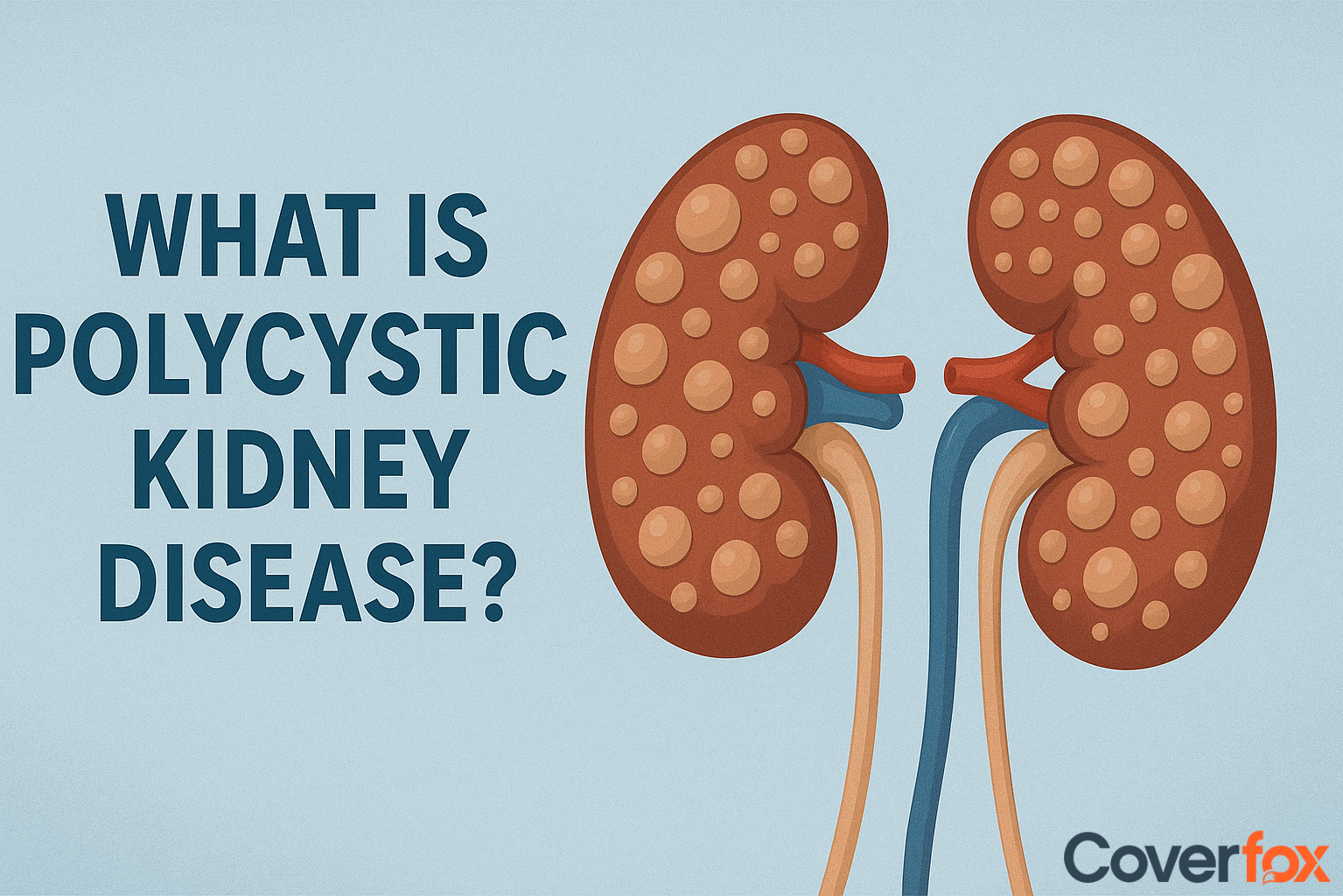
Kidneys ensure your body fluids are maintained and well-balanced, filter out waste and keep your blood clean and healthy. But in case a person has Polycystic Kidney Disease (PKD), where fluid-filled cysts form in the kidneys, its functionality gets impaired. However, PKD is an underlying disease and is generally not detected until it has done significant damage to the kidneys. Therefore, this article will shed light on what Polycystic Kidney Disease is, its symptoms, causes and its treatment.
Understanding Polycystic Kidney Disease
Polycystic Kidney Disease (PKD) is a genetic disorder in which fluid-filled cysts form in the kidneys, gradually replacing healthy tissue. These cysts cause the kidneys to enlarge and reduce their ability to filter blood properly. Over time, PKD can lead to high blood pressure, kidney failure, and other complications.
Types of Polycystic Kidney Disease (PKD)
There are 2 main types of Polycystic Kidney Disease:
Autosomal Dominant PKD (ADPKD)
Autosomal Recessive PKD (ARPKD)
This is the most common form, accounting for nearly 90% of PKD cases. It requires only one affected parent for the disease to pass on, giving each child a 50% chance of inheriting it. Symptoms typically show up in adulthood (age 30-50), though cysts may begin forming earlier. ADPKD often leads to progressive kidney enlargement, high blood pressure, pain, and eventual kidney failure in many patients.
This rare form occurs when both parents carry the defective gene, giving each child a 25% chance of developing the disease. ARPKD usually appears much earlier than ADPKD—often in infancy or even before birth. Babies with ARPKD may experience enlarged kidneys, breathing difficulties, and problems with liver development. While some children survive into adolescence or adulthood, the condition is generally more severe and requires intensive medical care early in life.
(Reference - Research on ADPKD, Research on ARPKD)
Symptoms of Polycystic Kidney Disease
PKD symptoms often develop gradually as cysts enlarge and begin affecting kidney function.
High blood pressure that becomes difficult to control.
Back or side pain due to enlarged kidneys or cyst rupture.
Frequent urination or increased nighttime urination.
Blood in the urine (hematuria), often from cyst bleeding.
Kidney stones occur more often in PKD patients.
Fullness or abdominal swelling caused by enlarged kidneys.
Recurrent urinary tract infections, especially in the kidneys.
Fatigue and weakness resulting from declining kidney function.
How Does PKD Affect Your Health?
Polycystic Kidney Disease affects your health by gradually reducing kidney function as cysts grow, eventually leading to chronic kidney disease or kidney failure. It can also cause high blood pressure, pain, recurrent infections, and complications in other organs such as the liver and blood vessels. Over time, PKD impacts overall well-being, energy levels, and the body’s ability to filter waste effectively.

Causes and Risk Factors of Polycystic Kidney Disease
PKD is primarily caused by inherited genetic mutations, but certain lifestyle and health factors can speed up its progression.
1. Genetic mutations
ADPKD is caused by mutations in the PKD1 or PKD2 genes, while ARPKD results from mutations in the PKHD1 gene.
2. Family history
Having a parent with ADPKD significantly increases the likelihood of inheriting the condition.
3. Uncontrolled high blood pressure
Elevated blood pressure accelerates cyst growth and worsens kidney damage.
4. Recurrent kidney or urinary infections
Frequent infections can inflame the kidneys and contribute to a faster decline in kidney function.
5. Poor diet and high salt intake
Excess sodium and unhealthy eating habits can increase blood pressure and strain the kidneys.
6. Smoking
Smoking reduces blood vessel health, increases blood pressure, and worsens kidney damage in PKD patients.
7. Sedentary lifestyle
Lack of physical activity can contribute to hypertension, obesity, and faster disease progression.
Complications of Polycystic Kidney Disease
PKD can lead to several serious complications as cysts grow and affect multiple organs beyond the kidneys, impacting overall health and quality of life.
Chronic kidney disease and kidney failure
High blood pressure
Heart and blood vessel problems
Brain complications
Liver cysts
Digestive tract issues
Frequent urinary tract infections
Kidney stones
Pregnancy complications
Progressive cyst enlargement damages kidney tissue, eventually requiring dialysis or a kidney transplant.
One of the most common complications, hypertension further accelerates kidney damage and increases heart disease risk.
PKD can lead to heart valve abnormalities, weakened blood vessels, and a higher risk of aneurysms—especially brain aneurysms.
Intracranial aneurysms (bulging blood vessels in the brain) can occur and may rupture, causing life-threatening bleeding or stroke.
Many PKD patients develop cysts in the liver, which may enlarge over time and cause discomfort or complications with digestion.
Enlarged kidneys or liver can press against the stomach and intestines, causing abdominal fullness, bloating, or reduced appetite.
Recurrent UTIs, especially kidney infections, worsen inflammation and accelerate disease progression.
PKD patients are more prone to stone formation, which can cause severe pain and worsen kidney function.
Women with PKD may experience increased risks during pregnancy, including preeclampsia.
Diagnosis of Polycystic Kidney Disease
Polycystic Kidney Disease is diagnosed using a combination of imaging tests, genetic analysis, and laboratory evaluations, especially in individuals with a known family history of the disorder.
1. Imaging tests (Ultrasound, CT scan, MRI)
These are the primary tools for detecting kidney cysts. Ultrasound is the most common and non-invasive method, while CT and MRI provide more detailed images to assess cyst size, number, and kidney enlargement.
2. Genetic testing
Identifies mutations in the PKD1, PKD2, or PKHD1 genes, helping confirm the diagnosis, particularly useful for younger individuals or those with an unclear ultrasound result.
3. Blood tests
Measure kidney function by checking creatinine, GFR (glomerular filtration rate), and electrolyte levels to assess how effectively the kidneys are filtering waste.
4. Urine tests
Detect blood, protein, or signs of infection, which may indicate kidney damage or complications related to PKD.
5. Family history evaluation
Since PKD is often inherited, knowing whether close relatives have the condition helps guide early screening and diagnosis.
Polycystic Kidney Disease Treatment
Treatment for Polycystic Kidney Disease focuses on slowing cyst growth, protecting kidney function, and managing the complications that arise as the disease progresses.
Blood pressure control
Pain management
Tolvaptan therapy
Treatment of infections
Managing kidney stones
Lifestyle modifications
Dialysis or kidney transplant
Monitoring other organs
Medications such as ACE inhibitors or ARBs help keep blood pressure in check, which is crucial for slowing kidney damage.
Over-the-counter pain relievers or, in severe cases, cyst drainage may be used to reduce chronic flank or abdominal pain.
This medication can slow cyst growth and kidney enlargement in certain patients with rapidly progressing ADPKD.
Prompt antibiotics are required for urinary or kidney infections to prevent further kidney damage.
Increased hydration and specific treatments help prevent or remove stones that are more common in PKD.
Low-salt diet, adequate hydration, quitting smoking, regular exercise, and maintaining a healthy weight support better kidney function.
In advanced stages where kidney function severely declines, dialysis or transplantation becomes necessary.
Regular screening may be needed for liver cysts, aneurysms, heart valve issues, and other PKD-related complications.
Conclusion - Dealing with Polycystic Kidney Disease
Managing PKD effectively involves adopting healthy daily habits such as eating a low-salt diet, staying well-hydrated, maintaining regular exercise, and avoiding smoking to protect kidney function. Monitoring blood pressure, treating infections promptly, and following medical advice can help slow disease progression and reduce complications. Stress management, adequate sleep, and routine check-ups also play an important role in improving overall well-being. Since PKD can lead to chronic issues that may require dialysis and frequent hospital stays, having a strong health insurance plan becomes essential to manage long-term medical expenses and ensure uninterrupted access to necessary treatments.
Disclaimer
This article is for informational purposes only and should not be considered medical advice. Always consult a qualified healthcare professional for diagnosis, treatment, or any medical concerns related to PKD.
Read More About Health Insurance in India
Importance of Health Insurance for Kidney Patients?
What Are the Normal Creatinine Level Ranges? A Complete Guide
Growing Health Problems in India
Frequently Asked Questions
What is polycystic kidney disease (PKD)?
PKD is a genetic disorder in which fluid-filled cysts develop in the kidneys, causing them to enlarge and lose function over time.
What are the main types of PKD?
The two major types are Autosomal Dominant PKD (ADPKD), which usually appears in adulthood, and Autosomal Recessive PKD (ARPKD), which typically affects infants and children.
What are the early signs of Polycystic Kidney Disease?
Early symptoms may include high blood pressure, back or side pain, frequent urination, blood in the urine, and recurrent kidney or urinary infections.
What treatment options are available for PKD?
Treatment involves managing symptoms and slowing progression through blood pressure control, medications like tolvaptan, infection management, lifestyle changes, and in advanced cases, dialysis or kidney transplantation.
Can someone live a normal life with polycystic kidney disease?
Many people with PKD live productive lives, especially with early diagnosis, healthy lifestyle habits, and proper medical management, though monitoring is essential.
At what age does polycystic kidney disease start?
ADPKD usually appears between ages 30 and 50, while ARPKD can present before birth or during infancy.
How is PKD diagnosed?
Diagnosis is done through imaging tests such as ultrasound, CT, or MRI, along with genetic testing and blood or urine tests to assess kidney function.
Is there a cure for PKD?
There is currently no cure, but treatments can effectively slow disease progression, manage complications, and improve quality of life.