
Triglycerides are a type of fat in the blood used for energy, but elevated levels, known as hypertriglyceridemia, can increase the risk of heart disease, stroke, pancreatitis, and fatty liver. Normal levels are below 150 mg/dL. Causes include poor diet, sedentary lifestyle, alcohol, obesity, and diabetes. Management involves lifestyle changes, regular testing, and medications when necessary to maintain heart and metabolic health.
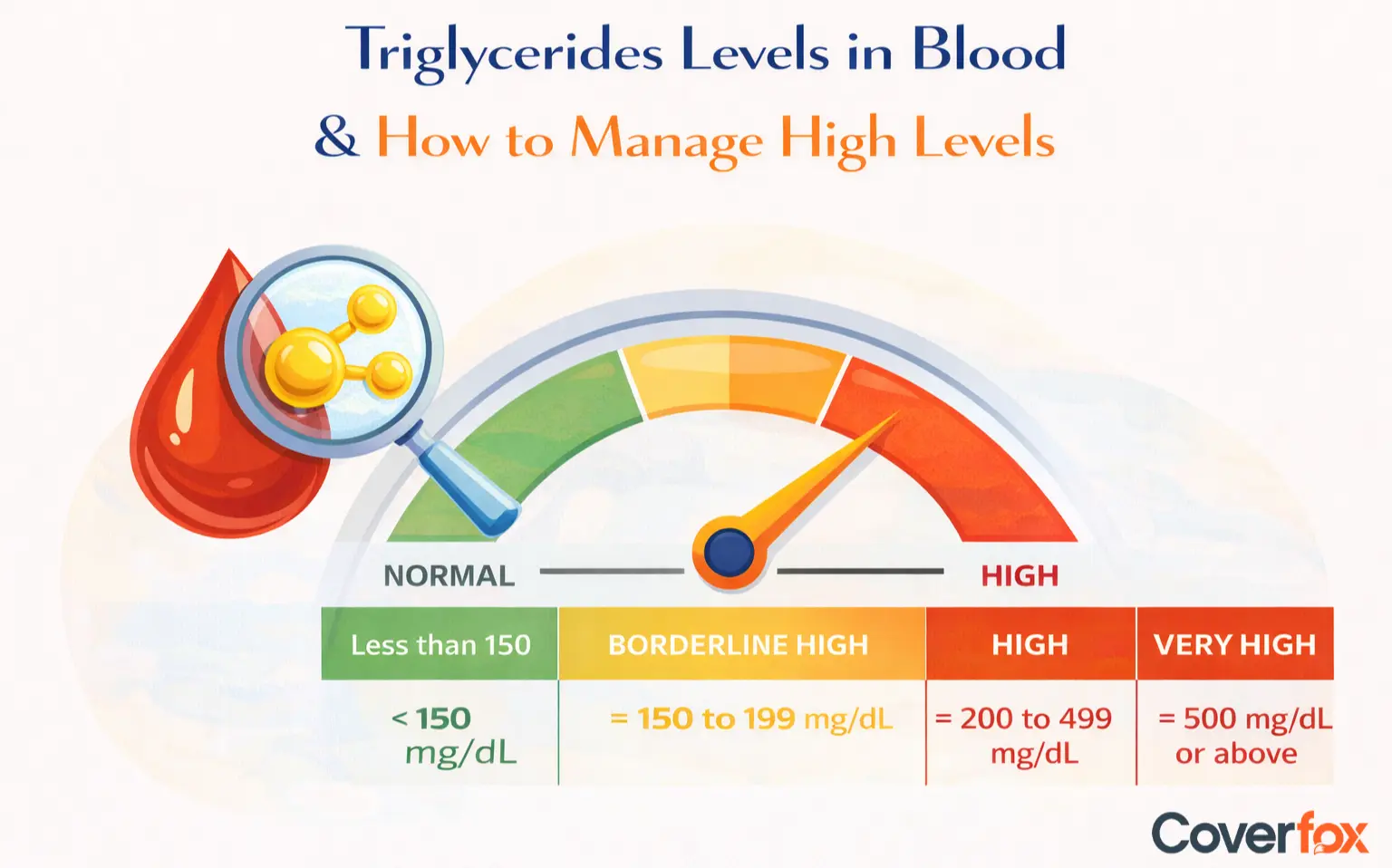
Triglycerides are a key type of fat (lipid) in your blood that your body uses for energy. While normal triglyceride levels are essential for metabolic function, elevated levels , known as hypertriglyceridemia, can raise your risk of heart disease, stroke, pancreatitis, and non‑alcoholic fatty liver disease. This article breaks down triglyceride normal ranges, explores the causes and risk factors of high triglycerides, outlines symptoms and complications, and offers practical prevention and treatment strategies based on Indian and global clinical guidance, including lifestyle and medical options.
What Are Triglycerides?
Blood contains triglycerides, a form of lipid (fat). Triglycerides are created when the body converts excess calories into fat and stores it in fat cells until needed as a source of energy. Blood tests that measure triglyceride levels are routinely performed as part of a lipid panel to determine the cardiovascular disease risk of an individual.
Health Risks Associated with Elevated Triglycerides
Elevated triglycerides (hypertriglyceridaemia) put people at risk for developing plaque in their arteries, which can lead to coronary artery disease (CAD) and stroke. Triglyceride levels above 500 mg/dL can also put patients at risk of developing acute pancreatitis. Understanding which triglyceride levels are "dangerous" is crucial to promptly take appropriate measures if necessary.
Signs and Indicators of Elevated Triglycerides
Often an elevated triglyceride level goes unnoticed because of a lack of symptoms (in severe instances:
Abdominal discomfort caused by pancreatitis
Fatigue and shortness of breath due to heart stress
Fatty lumps beneath the skin (xanthomas)
Routine testing is therefore essential to detect deviations from the TG normal range.

Underlying Medical Conditions Linked to High Triglycerides
Some of the reasons that someone may have high triglycerides include:
Excess caloric intake, along with high-sugar food choices
Excessive alcohol intake
Sedentary lifestyle
Obesity or metabolic syndrome
Poorly controlled diabetes or hypothyroidism
Key Risk Factors for Hypertriglyceridaemia
The following factors increase the likelihood of abnormal readings:
Family history of lipid disorders
Increasing age
Smoking habits
Hypertension
High LDL cholesterol
For men, clinicians often refer to the normal range of triglycerides in males when evaluating cardiovascular risk profiles.
Treatment Options for High Triglycerides
Management typically combines lifestyle changes and medication when necessary.
Lifestyle interventions
A low-saturated-fat and low-sugar diet
Regular physical activity (150 minutes per week recommended by WHO)
Weight reduction
Reduced alcohol intake
Medical treatment
Statins for cholesterol and triglyceride control
Fibrates for severe hypertriglyceridaemia
Omega-3 fatty acid supplements
These measures will help reduce the triglyceride level to normal.
Potential Complications of Untreated High Triglycerides
Some of the potential complications that occur if there is no treatment for high triglycerides are the following:
Coronary artery disease
Stroke
Acute pancreatitis
Non-alcoholic fatty liver disease
Clinical guidelines recommend finding out what level of triglycerides is dangerous for prevention.
Preventive Strategies for Maintaining Healthy Triglyceride Levels
Preventive actions include:
Routine lipid profile screening after age 20
A balanced diet rich in fibre and whole grains
Limiting refined carbohydrates and trans fats
Regular exercise and weight management
Managing diabetes and blood pressure
Maintaining values within the TG normal range significantly lowers cardiovascular risk.
Clinical Reference Table for Triglyceride Level
| Category | Triglyceride Level (mg/dL) |
|---|---|
| Normal | Below 150 |
| Borderline high | 150–199 |
| High | 200–499 |
| Very high | 500 and above |
Conclusion
Triglycerides are an important check on both your metabolic health and cardiovascular health. Regularly testing for your triglyceride levels and monitoring to keep them within the normal range can help avoid serious complications from high levels. If the level of triglyceride exceeds the recommended normal limits for either men or women, it is important to seek medical evaluation. Having health insurance can ensure timely access to tests and treatment. Maintaining a healthy lifestyle alongside regular monitoring further reduces health risks.
Also Read:
Disclaimer: This article is for informational and general educational purposes only. It does not constitute medical, financial, or insurance advice. Always consult a qualified healthcare provider and insurance expert before making decisions related to your health or insurance coverage.
* Discounts on health insurance premiums are subject to the insurer and may vary across different insurers. Not all insurers provide discounts for clean riding records; check your policy carefully.
FAQs About Triglycerides
What causes high triglycerides?
A diet high in sugar and fats, alcohol, obesity, and uncontrolled diabetes are common causes.
What is the best time to test triglycerides?
Fasting lipid tests conducted after 9–12 hours of fasting provide the most accurate results.
What are normal triglyceride levels based on age?
Levels below 150 mg/dL are considered normal across adult age groups, though risk increases with age.
Do triglycerides mean fatty liver?
Elevated triglycerides may be associated with fatty liver disease but are not the sole indicator.
Are triglycerides and cholesterol the same?
No. Both are lipids, but triglycerides store energy, while cholesterol supports cell structure and hormone production.
Is coffee bad for triglyceride numbers?
Moderate black coffee intake generally does not raise triglyceride levels significantly.
How can triglycerides be lowered quickly?
Reducing sugar intake, increasing physical activity, and following medical advice can lower levels efficiently.


.webp)

