
Azotemia is a clinical condition marked by high levels of nitrogenous wastes, especially blood urea nitrogen (BUN) and creatinine, in the bloodstream due to reduced kidney filtration. It’s often detected early through routine blood tests, even before noticeable symptoms appear.
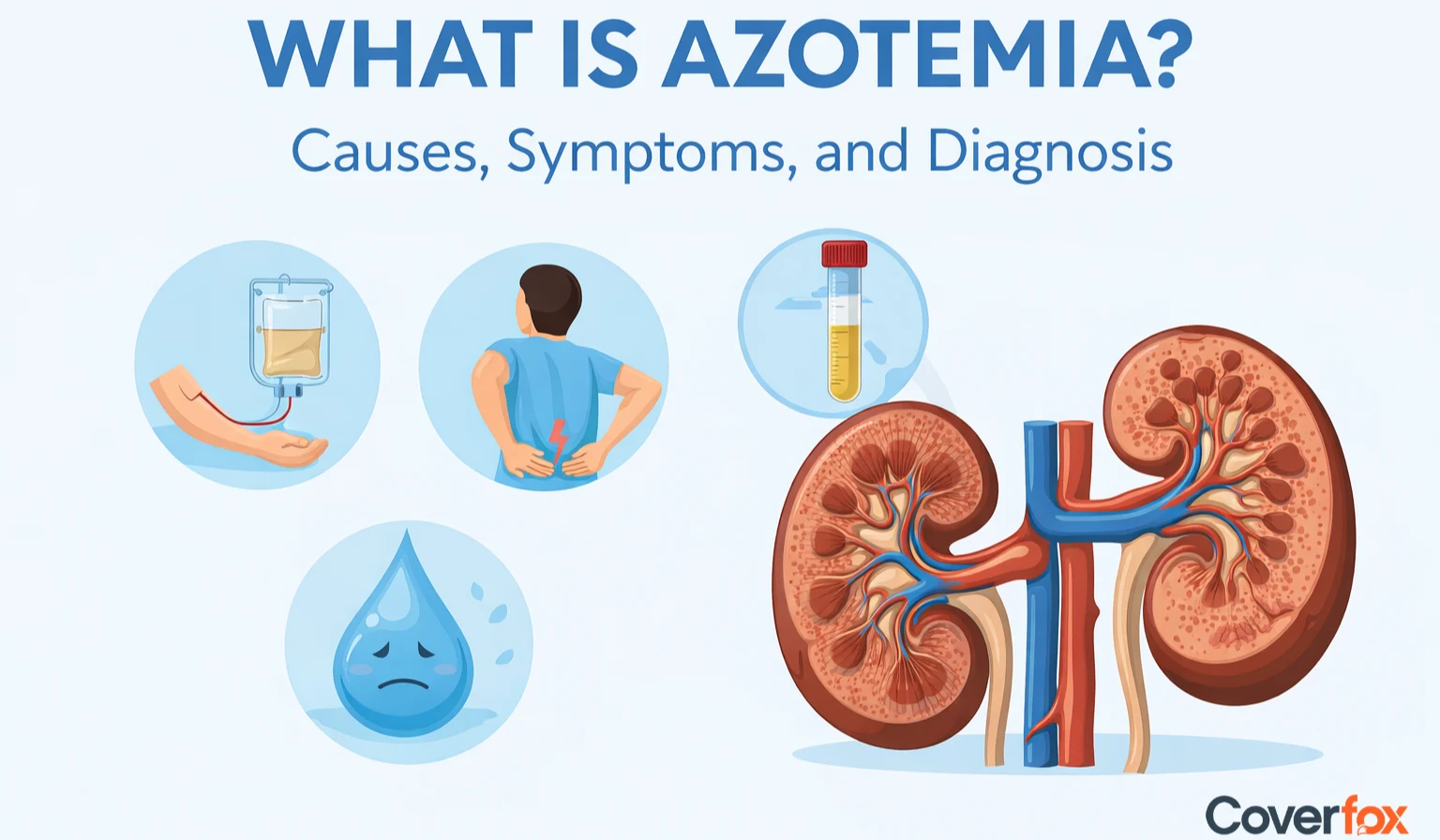
While azotemia itself isn’t a disease, it signals underlying issues such as reduced blood flow to the kidneys, intrinsic kidney damage, or urinary obstruction. Understanding its causes, symptoms, and management is vital for protecting kidney health and ensuring timely medical intervention.
What Is Azotemia?
The definition of 'azotemia' is an excess of nitrogenous substances, especially urea and creatinine, in the blood. In other words, azotemia is the kidneys’ failure to filter and remove waste from the body. From a medical perspective, azotemia is a laboratory abnormality rather than a disease. This condition is usually an indication of decreased kidney function, decreased blood flow to the kidneys, or obstruction of urine flow.
What are the causes of Azotemia?
The causes of azotemia can be categorized according to the problem's location relative to the kidneys. It is important to know the cause of azotemia so you can treat it.
Prerenal causes
Intrinsic (renal) causes
Postrenal causes
These are conditions where there is decreased blood flow to the kidneys. This can include conditions such as dehydration, severe blood loss, low blood pressure, or heart problems.
Intrinsic azotemia is caused by kidney damage. Infections, inflammation, prolonged use of certain drugs, or exposure to toxins can damage the kidneys’ filtering units.
Postrenal azotemia occurs when there is an obstruction of urine flow after it is secreted by the kidneys. The body cannot adequately excrete waste products due to kidney stones, an enlarged prostate, or urinary tract obstructions.

What are the symptoms of Azotemia?
The symptoms depend on the severity and progression of the disease. In most cases, azotemia is asymptomatic in its early stages. However, some of the common symptoms are:
Persistent fatigue and weakness
Nausea, vomiting, or loss of appetite
Reduced urine output or changes in urination
Swelling in the legs, ankles, feet, or face due to fluid retention
Difficulty breathing due to fluid accumulation
Confusion or difficulty concentrating in the advanced stages
Sudden weight gain due to fluid accumulation
Irregular heartbeat due to electrolyte imbalance
How Do Doctors Diagnose Azotemia?
Azotemia is diagnosed by analyzing blood tests that determine blood urea nitrogen (BUN) and creatinine levels. High levels suggest decreased kidney filtration. Urine tests are also conducted to evaluate kidney function and detect the presence of infection or obstructions. Additionally, structural anomalies or obstructions in the urinary tract can be detected with ultrasounds.
What Are the Treatment Options for Azotemia?
Treatment aims to reverse the underlying cause while ensuring the kidneys are not compromised.
Fluid and circulation management
Medication and supportive care
Relief of urinary obstruction
Dialysis in severe cases
Prerenal azotemia can be treated by replenishing fluids or increasing blood flow using oral or intravenous fluids.
Intrinsic azotemia can be treated with antibiotics or anti-inflammatory medications or by stopping medications that affect the kidneys.
Postrenal azotemia can be treated by relieving obstructions using catheterization, medical, or surgical interventions as needed.
In cases where the kidneys are severely affected, kidney transplantation can be necessary to filter waste materials from the blood.
How Can Azotemia be Prevented?
While not all cases of azotemia can be prevented, the risk can be reduced with a few important steps. Stay well hydrated, especially during illness or hot weather. Manage chronic conditions like diabetes and hypertension through regular monitoring and treatment.
Avoid unnecessary or prolonged use of medications that can harm the kidneys (such as certain painkillers). It’s also important to treat infections promptly, maintain a healthy lifestyle, and go for regular health check-ups to detect kidney issues early.
Importance of Health Insurance for Azotemia
Azotemia can lead to medical expenses for blood tests, imaging, medications, and sometimes hospitalisation or dialysis. Having a health insurance plan can help cover these costs, reducing financial stress and ensuring timely access to treatment.
Many policies provide coverage for kidney-related conditions, doctor consultations, diagnostic tests, and critical care. Checking policy details for coverage limits and pre-existing condition clauses is important to ensure adequate protection. With the right insurance, patients can focus on recovery without worrying about medical expenses.
Conclusion
Azotemia is a major clinical sign that the kidneys are functioning under stress. It is not a disease by itself, but it is usually a symptom of other conditions that need urgent medical attention. With proper medical care, treatment, and preventive measures, one can safeguard kidney function and avert complications.
Also Read:
Disclaimer:
The information in this blog is intended for educational and informational purposes only and does not constitute medical advice. It should not replace professional healthcare guidance, diagnosis or treatment. Always consult a qualified medical professional before making decisions related to your health. This website and its owners are not responsible for any outcomes resulting from the use of the information provided.
* STANDARD TERMS AND CONDITIONS APPLY. For more details on risk factors, terms and conditions, please read the policy document carefully.
Frequently Asked Questions on Azotemia
What are the symptoms of azotemia?
Signs of azotemia may include fatigue, vomiting, reduced urine output, swelling, and disorientation. At the initial level, azotemia is symptomless and is mostly detected in blood tests.
How is azotemia diagnosed?
Identification of azotemia is done through blood tests measuring the levels of urea and creatinine, as well as urine tests and imaging investigations to find the root cause.
What are the different treatment methods for azotemia?
Treatment for azotemia is primarily directed at the underlying cause. The treatment may involve fluid therapy, medication, elimination of urinary obstruction, or dialysis.
Is it possible to prevent azotemia?
It is possible to prevent azotemia to some extent by regularly drinking sufficient water, controlling pre-existing health conditions, avoiding the use of harmful medications, and having regular medical check-ups.


.webp)
 in Insurance.webp)

