
Malnutrition is caused by an imbalance, deficiency, or excess of essential nutrients in the body. It includes both undernutrition and overnutrition, affecting growth, immunity, and overall health. Understanding its causes, signs, and solutions is vital for preventing long-term health problems.
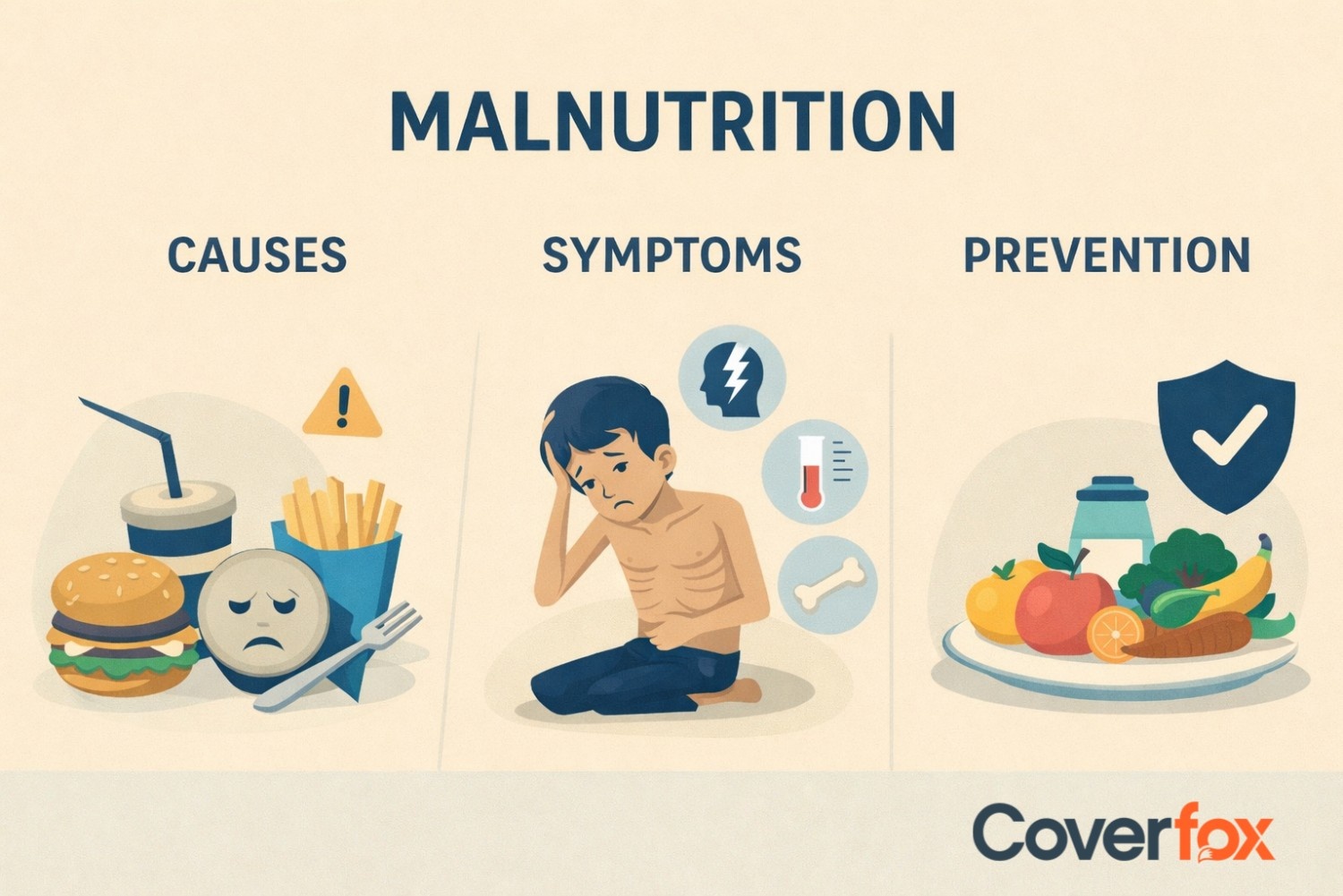
When your body receives an unbalanced or insufficient intake of nutrients, it leads to a condition called malnutrition. According to the Indian Council of Medical Research (ICMR), malnutrition is the major contributing factor to the deaths of children under 5 years of age in India. For this reason, the body needs to get the right balance of nutrients to stay healthy and prevent adverse health effects.
This blog explains what is the meaning of malnutrition, its types, causes, symptoms, who is at risk, how it is diagnosed and treated, and how you can prevent it.
What is the Meaning of Malnutrition?
Malnutrition refers to deficiencies, excesses, or imbalances in a person’s intake of energy and/or nutrients.” - World Health Organisation (WHO), ‘Malnutrition’.
To explain it simply, the malnutrition definition is the specific condition caused due to an imbalanced diet consisting of either insufficient or too many nutrients, which could include vitamins, proteins, minerals, carbohydrates, and fats. This can further lead to the development of serious health conditions, affecting mainly vulnerable populations such as children, the elderly, and those with chronic illnesses.
What Are the Different Types of Malnutrition?
There are two types of malnutrition, namely, overnutrition and undernutrition. Here’s what they mean:
1. Overnutrition
When your diet includes too many calories, vitamins, and a low amount of nutrients, it can be termed as ‘overnutrition’. It can lead to excess body weight, further developing into serious health problems such as heart disease, stroke, digestive disorders, type 2 diabetes, osteoarthritis, etc.
Overnutrition has two types under it:
Macronutrient overnutrition
Micronutrient overnutrition
This happens when you eat too many calories from fats, proteins, or carbohydrates. It often leads to weight gain, obesity, type 2 diabetes, heart problems, and some cancers, especially if combined with little exercise.
This occurs when you take in too many vitamins or minerals, often from too many supplements or fortified foods. It can cause problems like nausea, damage to organs, and other health issues.
2. Undernutrition
Undernutrition is when your diet lacks essential nutrients, including a deficiency of micronutrients like vitamins and minerals, impacting growth, development and crucial bodily functions. It can cause stunting (low height for age), wasting (low weight for height), and underweight (low weight for age).
Undernutrition has two main types:
Macronutrient undernutrition
Micronutrient undernutrition
Not getting enough important nutrients like carbohydrates, proteins, or fats. This usually happens due to insufficient food, certain diets, or eating problems. It causes low energy, weight loss, muscle weakness, and weak immunity.
Lack of essential vitamins and minerals because of eating an unbalanced diet or too much of one type of food. It can cause problems like anaemia, stunted growth, weak immunity, and learning difficulties.
Signs and Symptoms of Malnutrition
After understanding the malnutrition definition, here are the various symptoms to look out for:
For Undernutrition
Loss of fat and muscle mass
Thin arms and legs, but swelling in the belly
Slow growth and learning problems in children
Feeling weak, dizzy, and tired
Being easily annoyed or not paying attention
Dry, loose skin with rashes or sores
Hair that breaks easily, falls out, or loses colour
Getting sick often and with serious infections
Slow heartbeat and low blood pressure
For Overnutrition
Being very overweight (obesity)
High blood pressure
Heart disease

Main Causes of Malnutrition
What are the reasons for malnutrition? Take a look at some of the leading causes for this condition:
Poverty: Not having enough money makes it hard to buy healthy, safe food as well as get good medical care.
Poor eating habits: Not knowing what foods are healthy or eating the same foods over and over again can lead to missing important nutrients.
Diseases and infections: Getting sick with illnesses like diarrhoea or serious health problems can make it hard for your body to absorb nutrients.
Food insecurity: If there isn’t sufficient healthy food around or disasters interrupt food supplies, people may not get enough nutrients.
Insufficient care for mothers and kids: Mothers who don’t eat healthy while pregnant and babies who don’t get breastfed enough may become malnourished.
Dirty water and poor sanitation: Drinking dirty water or living in places with poor hygiene can cause infections that make your body lose nutrients.
Who Is at Risk of Malnutrition?
According to the World Health Organization (WHO), all countries worldwide are affected by one or more forms of malnutrition, making it a persistent and complex global health challenge. Women, infants, children, and adolescents remain disproportionately vulnerable. WHO emphasises that optimising nutrition during the first 1,000 days from conception to a child’s second birthday is critical for ensuring healthy growth, cognitive development, and long-term well-being.
WHO also highlights the strong link between poverty and malnutrition. Poverty significantly increases the likelihood of undernutrition, micronutrient deficiencies, overweight, and obesity. In turn, malnutrition elevates healthcare costs, lowers productivity, and slows economic progress.
How Is Malnutrition Diagnosed?
Here are the different ways that malnutrition can be diagnosed:
1. Clinical Evaluation
Doctors start by asking detailed questions about your eating habits, medical history, and any health problems. They also check your body for signs of malnutrition, like weight loss, muscle loss, or skin changes.
2. Diagnostic Tests
Blood Tests: A Complete Blood Test (CBC) checks for deficiencies in vitamins, minerals, and proteins.
Imaging Tests: X-rays or CT scans can show details within the body and find hidden problems.
Special Tests: Sometimes doctors use endoscopy to look inside the digestive system.
3. Considering Other Causes
Doctors also think about other issues that look like malnutrition, like eating disorders or infections, to make sure the diagnosis is right.
Ways to Treat Malnutrition
Treatment depends on how serious the malnutrition is. For this, doctors, nutritionists, and social workers usually work together:
Better eating
Taking supplements
Medical care
Learning and support
Eat foods rich in protein, healthy fats, vitamins, and minerals. Special fortified foods or ready-to-eat therapeutic foods help especially children with severe malnutrition.
As prescribed by a doctor, vitamins and minerals like iron, vitamin A, zinc, and folic acid are given to fix deficiencies, especially for children and pregnant women.
Sick people may need treatment for infections or other diseases. Extra fluids and minerals may be needed if dehydrated, while extremely sick patients might need hospital care.
Nutrition counselling teaches people and families how to choose healthy foods and improve eating habits.
Tips to Prevent Malnutrition
To help prevent malnutrition, here are some steps you can take:
Eat a balanced diet with healthy foods like fruits, vegetables, whole grains, dairy, and lean proteins. Include foods rich in potassium, calcium, vitamin D, and vitamin B12.
Talk to a nutrition expert or dietitian who can help create a diet plan just for you.
Ensure to reduce the intake of sugary foods, alcoholic beverages, solid fats, and salt.
Stay active by doing exercise or activities you enjoy to keep your muscles strong.
Wrapping Up
Malnutrition is a global health issue arising due to an imbalanced intake of nutrients, which further leads to adverse health conditions. While it can affect people of all ages, individuals most at risk are children, the elderly, and those with chronic illnesses. To prevent this issue, eating a balanced, nutrition-rich diet, getting proper medical care, and having adequate health insurance to support early diagnosis and timely treatment play a crucial role in effective intervention.
Read More Articles:
Guillain-Barré Syndrome (GBS) - Symptoms, Causes & Treatment
6 Reasons Why You Need to Get Health Insurance in India
FAQs on Malnutrition
What are micronutrients, and why are they important?
Micronutrients are the vitamins and minerals that the body needs in small amounts to function. A lack of micronutrients can lead to anaemia, stunted growth and development, poor immunity, and cognitive deficits.
Can malnutrition be reversed?
Yes, it can. It requires a balanced diet of healthy foods, certain supplements as prescribed by a doctor, medical care, and the necessary learning and support.
What happens if malnutrition is not treated?
If not treated in time, malnutrition can lead to a weak immune system, stunted growth in children, organ damage, heart problems, diabetes, etc.
When should I see a doctor?
If you notice signs of sudden weight loss, feel very weak and tired, or lose your appetite, then you should consult your doctor immediately.
Disclaimer: The information in this blog is meant for general awareness only. It should not be taken as medical advice or used to diagnose or treat any condition. Please consult a qualified healthcare professional for personalised guidance or if you have any symptoms or health concerns.

.webp)
 in Insurance.webp)

