
Sometimes, a doctor needs to find the cause of health problems and plan the right treatment, often without the need for surgery. Here is where radiology comes in, involving medical imaging to show different parts inside the human body.
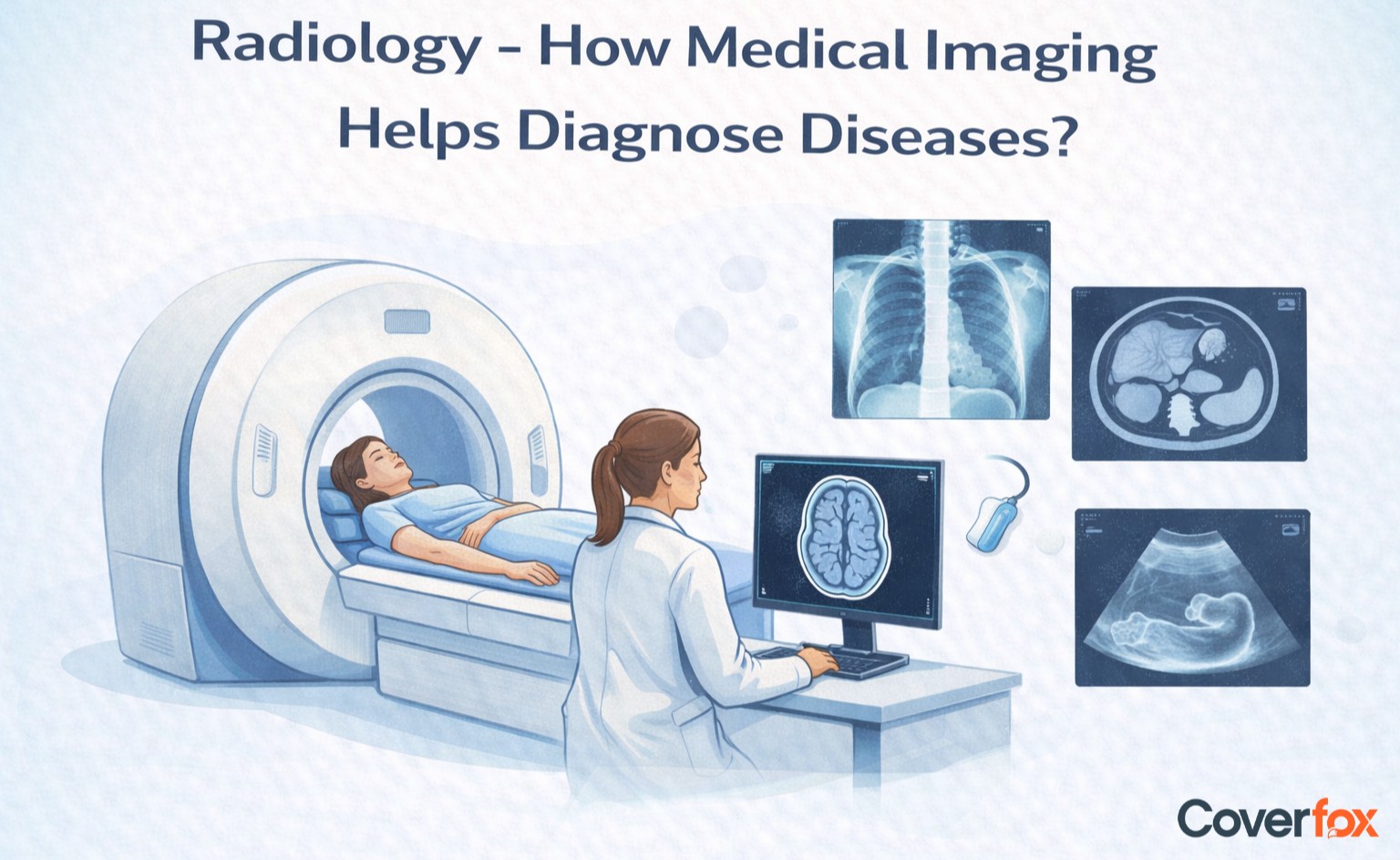
This radiology imaging could involve anything from a basic X-ray to even a CT scan, allowing healthcare professionals to properly diagnose your condition at the optimal stage and then provide timely treatment. To find out further about what is radiology and what a radiologist does, the guide below takes a deeper look into its significance, types and new advancements in the field.
What is Radiology?
To explain it simply, the meaning of radiology is a series of examinations taken to capture images of various parts of the body for diagnosis and treatment of certain injuries or diseases. These tests help doctors to see the body internally, and they involve imaging techniques or tests such as CT scans, MRIs, X-rays, and ultrasounds. Radiology can help in the detection of conditions like cancers, tumours, blood clots, broken bones, osteoporosis and arthritis, etc.
What are the Types of Radiology?
Radiology can be divided into types, namely, Diagnostic and Interventional Radiology. These include:
1. Diagnostic Radiology
This type of radiology involves diagnosing any condition, helping in the screening, diagnosis, or monitoring of medical disorders.
It helps a doctor diagnose the cause of your symptoms, be it conditions like heart issues, gastrointestinal issues, cancer, broken bones, etc., and monitor how well your body is responding to treatment.
The imaging tests or techniques under this include X-rays, Ultrasound, Computed Tomography (CT) scans, Magnetic Resonance Imaging (MRI) scans, Nuclear Medicine scans, Mammography, Fluoroscopy, and PET scans.
2. Interventional Radiology
This type uses minimally invasive, image-guided procedures to treat a wide variety of conditions throughout the body, helping patients recover faster, with less discomfort and fewer complications.
These conditions could include treatments for uterine fibroids, cancers, tumours, blockages in the arteries and veins, liver and kidney problems, and back pain.
The procedures involved in this type are stenting, angioplasty, biopsy, and thrombolysis.

Significance of Radiology
After understanding radiology and its types, let us see why radiology is beneficial for the following reasons:
How X-rays can help doctors
Other methods of imaging
The role of radiologists
Radiology’s role in treating diseases
X-rays let doctors see inside your body without surgery. They show broken bones or unhealthy parts clearly to help doctors decide the best treatment.
Besides X-rays, tests like CT scans, MRIs, and ultrasounds give detailed pictures of the body’s inside, and these images can be in 2D or 3D and help doctors understand your illness better.
Radiologists are expert doctors who study these images. They don’t just do tests, but they explain procedures, answer questions, and make sure you’re comfortable with the process.
Radiology gives detailed information about what’s wrong inside your body. In this, what a radiologist does is get guidance to provide the right treatment quickly, saving lives. Without radiology, even simple problems like fractures would be hard to find and fix.
New Technology in Radiology
To understand how new technology is helping radiology, take a look at the points below:
| Technology | What It Does |
|---|---|
| Artificial Intelligence (AI) | Helps doctors analyse medical images faster and identify problems more accurately. |
| Radiation Therapy | Targets tumours precisely to protect healthy tissue and improve treatment outcomes. |
| Advanced Visualisation | Uses 3D imaging and virtual reality to provide clearer views for diagnosis and surgery. |
| Cloud Imaging Systems | Allows doctors to view and share images from anywhere, helping speed up patient care. |
| Hybrid Imaging | Combines multiple scan types to deliver clearer and more accurate disease diagnosis. |
| Teleradiology | Enables doctors to interpret medical images remotely, improving access to care in distant areas. |
Conclusion
In all, radiology is an essential part of modern healthcare, helping doctors get clear, accurate images of the body to detect illnesses or injuries at the right time. From diagnosing cancers and tumours to identifying fractures, blood clots, and organ disorders, radiology plays a vital role in early detection and effective treatment.
With continuous advancements like AI, hybrid imaging, and remote scan reporting, radiology is becoming more precise, safer, and widely accessible. Since imaging tests like CT scans, MRIs, PET scans, and interventional radiology procedures can sometimes be expensive, having a good health insurance plan becomes extremely helpful. The right insurance coverage can reduce out-of-pocket costs, ensure access to quality diagnostic care, and support timely treatment without financial stress.
Also Read About:
Disclaimer: The information provided in this blog is for general educational purposes only and is not intended as medical advice. Radiology procedures, scans, and treatments should be performed and interpreted by qualified healthcare professionals. Always consult a licensed doctor or medical specialist for any health concerns, diagnosis, or treatment options.
Frequently Asked Questions on Radiology
What is the purpose of radiology?
Radiology is important for diagnosing, analysing and treating any illness or injury within the body. It consists of a set of tests that guide treatment by providing clear images of the body internally.
What new trends are shaping radiology’s future?
New trends in technology include AI, precision medicine, advanced imaging, web-based systems, hybrid imaging, and teleradiology.
When do I need a radiology scan?
You will need a radiology scan to detect a certain health condition, illness or injury, including cancers, tumours, blood clots, broken bones, osteoporosis and arthritis, etc.
Who is a radiologist?
A doctor specialising in radiology, which involves diagnosing and treating health conditions using medical imaging tests and techniques, is known as a radiologist.
What does ‘interventional radiology’ mean?
Interventional radiology means using minimally invasive treatments inside the body, which cause fewer complications and discomfort to the patient. It could include stenting, angioplasty, biopsy, and thrombolysis.



.webp)
 in Insurance.webp)

