Sinusitis is a common condition that inflames the sinuses, causing facial pressure, nasal blockage, and headaches. It is often triggered by infections or allergies and affects millions globally, including in India. Treatment includes medicines, home remedies, or surgery in chronic cases, with diagnosis via clinical evaluation and imaging tests. Most health insurance plans in India cover sinusitis treatment and surgeries like FESS after the waiting period, easing financial burden.
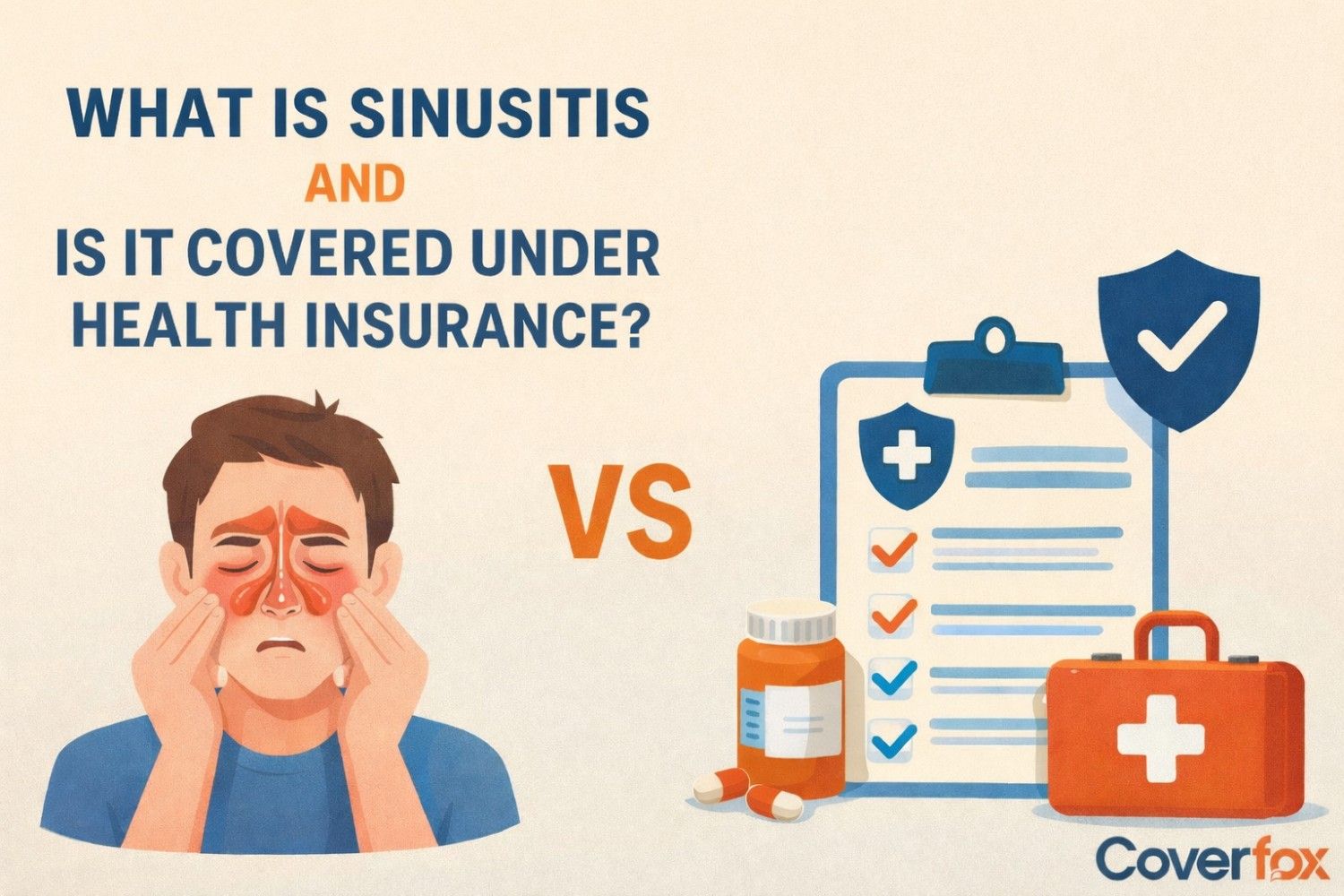
Sinusitis, also called rhinosinusitis, is often triggered by infections, allergies or irritants. It’s similar to the discomfort you feel when a cold leads to prolonged facial pressure and a blocked nose. Globally, chronic sinusitis affects around 8.7 % of people, making it a common health issue, with millions affected annually. (Research on the prevalence of Sinusitis globally). This article will cover what this disease is, what the symptoms, causes and treatments are, and whether health insurance covers sinusitis.
What is Sinusitis?
Sinusitis is a condition where the lining of the sinuses becomes inflamed, leading to symptoms like nasal blockage, facial pressure, headache, and thick mucus discharge. It often starts after a cold or allergy episode, much like when a blocked nose refuses to clear for days and turns painful. Sinusitis can be acute or chronic and significantly affects daily comfort and productivity.
Types of Sinusitis
Sinusitis can be classified based on how long the inflammation lasts and how often it recurs, helping doctors decide the right course of treatment.
1. Acute Sinusitis
Sudden symptoms lasting up to 10 days, usually caused by a common cold or viral infection.
2. Subacute Sinusitis
Symptoms persist for 4 to 12 weeks and may follow an untreated acute infection.
3. Chronic Sinusitis
Inflammation lasts for more than 12 weeks despite treatment, often linked to allergies or nasal polyps.
4. Recurrent Sinusitis
Multiple episodes of acute sinusitis occurring several times within a year.
What are the Common Causes of Sinusitis?
Sinusitis usually develops when normal sinus drainage is blocked, allowing mucus and germs to build up.
Viral infections: Common cold or flu, causing swelling of the nasal passages.
Bacterial or fungal infections: Occur when sinus blockage persists, and infection sets in.
Allergic rhinitis: Allergies trigger inflammation that blocks sinus openings.
Nasal polyps: Soft growths inside the nose that obstruct sinus drainage.
Deviated nasal septum: A structural abnormality that narrows sinus passages.
Air pollution and smoking: Irritants that inflame the sinus lining.
Weakened immunity: Conditions like diabetes or prolonged illness increase infection risk.
What are the Symptoms of Sinusitis?
Sinusitis symptoms occur due to inflamed and blocked sinuses, leading to pressure build-up and infection.
Facial pain or pressure, especially around the forehead, eyes, cheeks, or nose
Blocked or stuffy nose with difficulty breathing
Thick nasal discharge, often yellow or green
Headache that worsens when bending forward
Post-nasal drip causing sore throat or cough
Reduced sense of smell or taste
Fever and fatigue in some cases
Tooth pain or ear pressure, especially in the upper jaw areas

How is Sinusitis Diagnosed?
Sinusitis is diagnosed based on symptoms, physical examination, and imaging tests when required.
Medical history review: The doctor assesses the duration, frequency, and severity of symptoms.
Physical examination: Nasal passages are checked for swelling, discharge, or tenderness around the sinuses.
Nasal endoscopy: A thin, flexible tube with a camera is used to view sinus openings in chronic or severe cases.
Imaging tests: CT scan or X-ray may be advised to detect blockages, polyps, or structural issues.
Allergy testing: Recommended if sinusitis is recurrent or linked to allergic triggers.
Treatment Options for Sinusitis
Sinusitis can be managed through a combination of medical treatments and supportive home remedies, depending on severity and cause.
Medical Treatments for Sinusitis
Decongestant medications: Reduce swelling in nasal passages and help sinuses drain effectively; used for short periods.
Pain-relief medicines: Paracetamol or ibuprofen ease facial pain, sinus pressure, and headaches.
Antihistamines: Control allergy-related inflammation and prevent recurrent sinus blockage.
Corticosteroid nasal sprays: Reduce long-term inflammation, shrink nasal polyps, and lower recurrence in chronic sinusitis.
Antibiotics: Prescribed only when bacterial sinusitis is confirmed, or symptoms persist beyond 10 days.
Allergy immunotherapy: Helps build tolerance to allergens in people with recurrent allergic sinusitis.
Endoscopic sinus surgery: Recommended for chronic cases unresponsive to medicines to remove blockages and improve drainage.
Home Remedies for Sinusitis
Steam inhalation: Loosens thick mucus, relieves congestion, and reduces facial pressure naturally.
Saline nasal irrigation: Flushes out mucus, allergens, and irritants while keeping nasal passages moist.
Warm compress: Applied over the face to ease sinus pain and improve circulation.
Adequate hydration: Keeps mucus thin, allowing sinuses to drain more easily.
Rest and head elevation: Supports faster recovery and reduces sinus pressure during sleep.
Is Sinusitis Covered Under Health Insurance?
Yes, sinusitis is usually covered under health insurance when it requires medical or surgical treatment, but coverage applies only after the specified waiting period. If classified as a pre-existing condition, the waiting period of 2-3 years, depending on policy, is set in.
Health Insurance Coverage for Sinusitis
Comprehensive health insurance plans in India usually cover sinusitis-related treatment, subject to policy terms and waiting periods. The coverage generally includes the following aspects:
Doctor consultations
Diagnostic tests
Medications
Hospitalisation expenses
Surgical procedures
Pre- and post-hospitalisation care
Policy limits and sub-limits
Waiting period conditions
Expenses for GP and ENT specialist consultations required to diagnose and manage sinusitis.
Costs of investigations such as CT scans, X-rays, nasal endoscopy, and other lab tests needed to confirm sinus infection or chronic inflammation.
Coverage for prescribed medicines, including antibiotics, nasal sprays, pain relievers, and anti-inflammatory drugs during hospitalisation.
Room rent, nursing charges, ICU (if required), and other in-patient medical costs related to sinusitis treatment.
Surgeries like Functional Endoscopic Sinus Surgery (FESS) are usually covered under ENT or common surgeries once the waiting period is completed.
Medical expenses incurred before and after hospitalisation, as defined in the policy, are often included.
Coverage may be affected by the sum insured, room rent caps, or surgery-specific limits mentioned in the policy.
Claims are allowed only after completing the applicable waiting period, especially if sinusitis is classified as a pre-existing or specified illness.
Reviewing the policy wording carefully helps ensure clarity on coverage scope and claim eligibility.
Key Takeaways
Sinusitis is a common disease in India; an estimated 134 million people (about 1 in every 8) suffer from chronic sinusitis, underscoring its widespread impact on respiratory health. Luckily, most health insurers cover this disease, typically after the waiting period is over (for surgeries). To make sure you get treated for these irritable headaches and blockages, a health insurance policy will help you a long way. So what are you waiting for? Get insured today!
Read More Articles
Health Issues During Winter: Causes, Symptoms & Prevention
What Are the Normal Creatinine Level Ranges? A Complete Guide
Normal Blood Pressure Range for Different Age Groups
Frequently Asked Questions
Is sinusitis a serious condition?
Sinusitis is usually not life-threatening, but if left untreated, chronic sinusitis can lead to frequent infections, severe discomfort, and complications affecting the eyes or respiratory system.
Is sinusitis covered under health insurance?
Yes, sinusitis is generally covered under health insurance once the applicable waiting period is completed, as per the policy terms and conditions.
Does health insurance cover sinus surgery?
Most comprehensive health insurance plans cover sinus surgeries such as Functional Endoscopic Sinus Surgery (FESS) when medically necessary and after the waiting period.
Is there a waiting period for sinusitis coverage?
Yes, sinusitis usually comes with a waiting period, which can range from 24 to 36 months depending on whether it is treated as a specified illness or a pre-existing condition.
Can I claim sinus treatment under cashless insurance?
Yes, cashless treatment for sinusitis is available at network hospitals, provided the claim is approved and waiting period conditions are met.
Does insurance cover diagnostic tests for sinusitis?
Diagnostic tests such as CT scans, X-rays, and nasal endoscopy are generally covered when they are part of hospitalisation or prescribed treatment.
Are doctor consultations for sinusitis covered?
Doctor and ENT specialist consultations are usually covered when they are linked to hospitalisation or included under pre- and post-hospitalisation benefits.
Can sinusitis be considered a pre-existing disease?
Yes, if sinusitis was diagnosed or treated before purchasing the policy, it may be classified as a pre-existing disease and be subject to a longer waiting period.


.webp)
 in Insurance.webp)