World Health Day, which is observed every year on 7 April, marks the founding of the World Health Organisation in 1948. It is a global reminder of the importance of health and well-being, while highlighting key public health priorities that impact millions of lives worldwide.
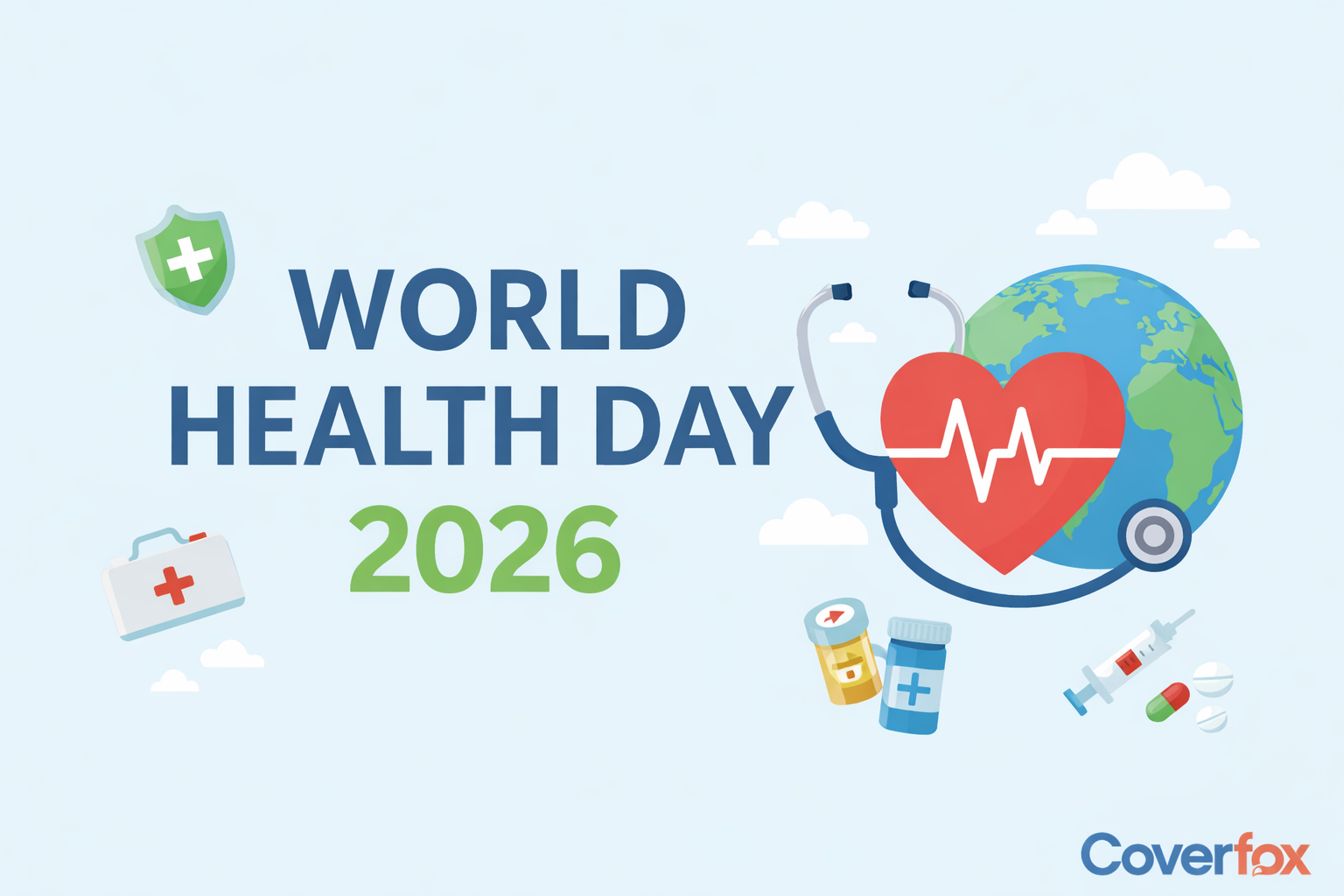
World Health Day 2026 focuses on science, stressing the fact that science has collaborated to contribute towards a healthier society, to protect people, animals, plants and the planet as a whole.
World Health Day 2026 Theme
The 2026 theme by the World Health Organisation is “Together for health. Stand with science”, and it highlights the importance of uniting people around science-backed healthcare decisions. It aims to call for stronger trust in evidence, research, and verified information to improve public health outcomes. In a time where misinformation can spread easily, the campaign reinforces that science is essential for building resilient and future-ready health systems.
Previous Years’ Themes
2025 – Healthy beginnings, hopeful futures
2024 – My health, my right
2023 – Health for all
2022 – Our planet, our health
2021 – Building a fairer, healthier world
Key Objectives of World Health Day 2026
Here’s what standing with science means:
Strengthening Trust in Science
Promoting Science-Led Policies
Driving Global Collaboration
Investing in Research & Innovation
Improving Public Awareness
Building confidence in evidence-based healthcare by encouraging people to rely on verified information and scientific guidance rather than unproven fluff. The World Health Organisation aims to reduce misinformation and promote informed health decisions.
Encouraging governments and institutions to adopt policies backed by research and data, ensuring better health outcomes at a population level.
Fostering partnerships between countries, healthcare bodies, and scientific communities to address shared health challenges collectively.
Highlighting the need for continuous investment in medical research, technology, and innovation to build resilient health systems.
Empowering individuals with the knowledge to understand, trust, and support science, leading to healthier choices and stronger communities.

Science & Health – Fact Sheet
Here are some key, data-backed facts that highlight the impact of science on global health:
Vaccination saves 4–5 million lives every year globally, preventing diseases such as measles, polio, and influenza (World Health Organisation).
Life expectancy has increased by more than 6 years between 2000 and 2019, largely due to advances in medical science, public health interventions, and improved access to care (WHO).
Hand hygiene alone can reduce diarrhoeal diseases by up to 30% and respiratory infections by up to 20%, showcasing the power of simple, science-backed public health measures (WHO Iris).
More than 50% of global health gains in the last century are attributed to public health measures, including vaccination, sanitation, and clean water (WHO estimates).
Antimicrobial resistance (AMR) is responsible for an estimated 1.27 million deaths annually, highlighting the urgent need for continued scientific research and innovation (UNDP).
Early diagnosis of diseases like cancer can significantly improve survival rates, with some cancers showing over 90% survival when detected early (WHO & global cancer studies).
What You Can Do: Stand with Science
World Health Day 2026 is not just a global campaign: it’s a call for individual action. The World Health Organisation encourages everyone to play a role in supporting science-backed health practices.
Follow credible sources: Rely on verified health information from trusted organisations and medical experts.
Question misinformation: Think critically before sharing health-related content online
Make informed health decisions: Choose treatments, preventive care, and lifestyle habits backed by science
Promote awareness: Share accurate information within your community and social circles
Support public health efforts: Participate in vaccination drives, screenings, and awareness programmes
Role of Institutions: Promoting Science-Led Health
Achieving the goals of World Health Day 2026 requires collective responsibility across all stakeholders. The World Health Organisation emphasises that governments, institutions, and organisations must work together to strengthen trust in science and healthcare systems.
1. Governments:
Invest in public health infrastructure, fund scientific research, and implement evidence-based policies to improve population health outcomes.
2. Healthcare & Scientific Community:
Drive innovation through research, ensure accurate dissemination of medical information, and promote transparent communication with the public.
3. Organisations & Brands:
Use their platforms to amplify credible health information, support awareness campaigns, and encourage responsible communication around health and science.
4. Individuals & Communities:
Adopt informed health practices, support science-backed initiatives, and contribute to building a culture of trust and awareness.
Key Global Events Driving the World Health Day 2026 Campaign
Anchoring World Health Day 2026 are two major global moments led by the World Health Organisation, bringing together governments, scientists, and institutions from across the world. These events highlight the power of science-driven collaboration in shaping a healthier future.
One Health Summit (5–7 April 2026)
Global Forum of WHO Collaborating Centres (7–9 April 2026)
Other World Health Day Events
Hosted by the Government of France under the French G7 Presidency, this summit in Lyon focuses on the One Health approach, connecting human, animal, and environmental health. It brings together global leaders and experts to address emerging health risks and strengthen prevention strategies.
This inaugural forum gathers scientific institutions from over 80 countries, fostering collaboration, knowledge exchange, and innovation. It serves as a platform to strengthen global partnerships and advance science-led health solutions.
Alongside global events, World Health Day 2026 will see local activations across countries, including health camps, awareness drives, workshops, and community programmes. These initiatives help bring the campaign closer to people, encouraging everyday action and engagement with science-backed health practices.
Health Insurance & Science: Why It Matters
Modern healthcare is built on science, from early diagnosis to advanced treatments and preventive care. But access to these can often come at a high cost. This is where health insurance makes a real difference, helping people get the care they need without worrying about the financial burden.
From diagnostic tests to hospitalisation and specialised treatments, health insurance supports timely, science-backed medical decisions. It allows individuals to act early, follow the right treatment path, and avoid delays that could worsen health conditions.
In simple terms, health insurance ensures that the benefits of medical science aren’t limited to a few but accessible to everyone when it matters most.
Bottom Line
World Health Day 2026 is a reminder that better health outcomes are only possible when we trust science and act together. From individuals making informed choices to governments investing in research, every effort counts in building a stronger health ecosystem. As the World Health Organisation emphasises, the future of global health depends on our ability to stand with science, support evidence-based decisions, and work collectively. Because when science leads the way, healthier lives follow.
Reference - https://www.who.int/campaigns/world-health-day/2026
Frequently Asked Questions
What is World Health Day?
World Health Day is a global health awareness campaign organised by the WHO, and is celebrated every year on the 7th April, embarking the establishment of the WHO in 1948..
What is the theme for World Health Day 2026?
The theme for World Health Day 2026 is “Together for health. Stand with science.” It focuses on promoting trust in scientific evidence and encouraging collective action to strengthen global health systems.
Why is “standing with science” important in healthcare?
Standing with science ensures that health decisions are based on evidence, research, and verified data, leading to safer treatments, better outcomes, and stronger healthcare systems. It also helps combat misinformation that can harm public health.
When is World Health Day celebrated?
World Health Day is celebrated every year on 7 April. The date marks the establishment of the World Health Organisation in 1948.
What is the One Health approach?
The One Health approach recognises the connection between human, animal, and environmental health. It promotes collaboration across sectors to prevent diseases, manage health risks, and improve overall global health.
How can individuals participate in World Health Day 2026?
Individuals can participate by following credible health information, spreading awareness, making informed health decisions, and supporting science-based healthcare practices in their daily lives.
How does health insurance support science-based healthcare?
Health insurance enables access to diagnostics, treatments, and preventive care based on medical science, helping individuals receive timely care without financial stress and improving overall health outcomes.