Kidneys work tirelessly every day, filtering waste, balancing fluids, and regulating the body's balance. One of the key markers of kidney function is the Blood Urea Nitrogen (BUN) level, which measures the amount of urea nitrogen in the blood. When BUN levels are elevated, it can signal that the kidneys are under stress or, worse, that a serious underlying condition is brewing.
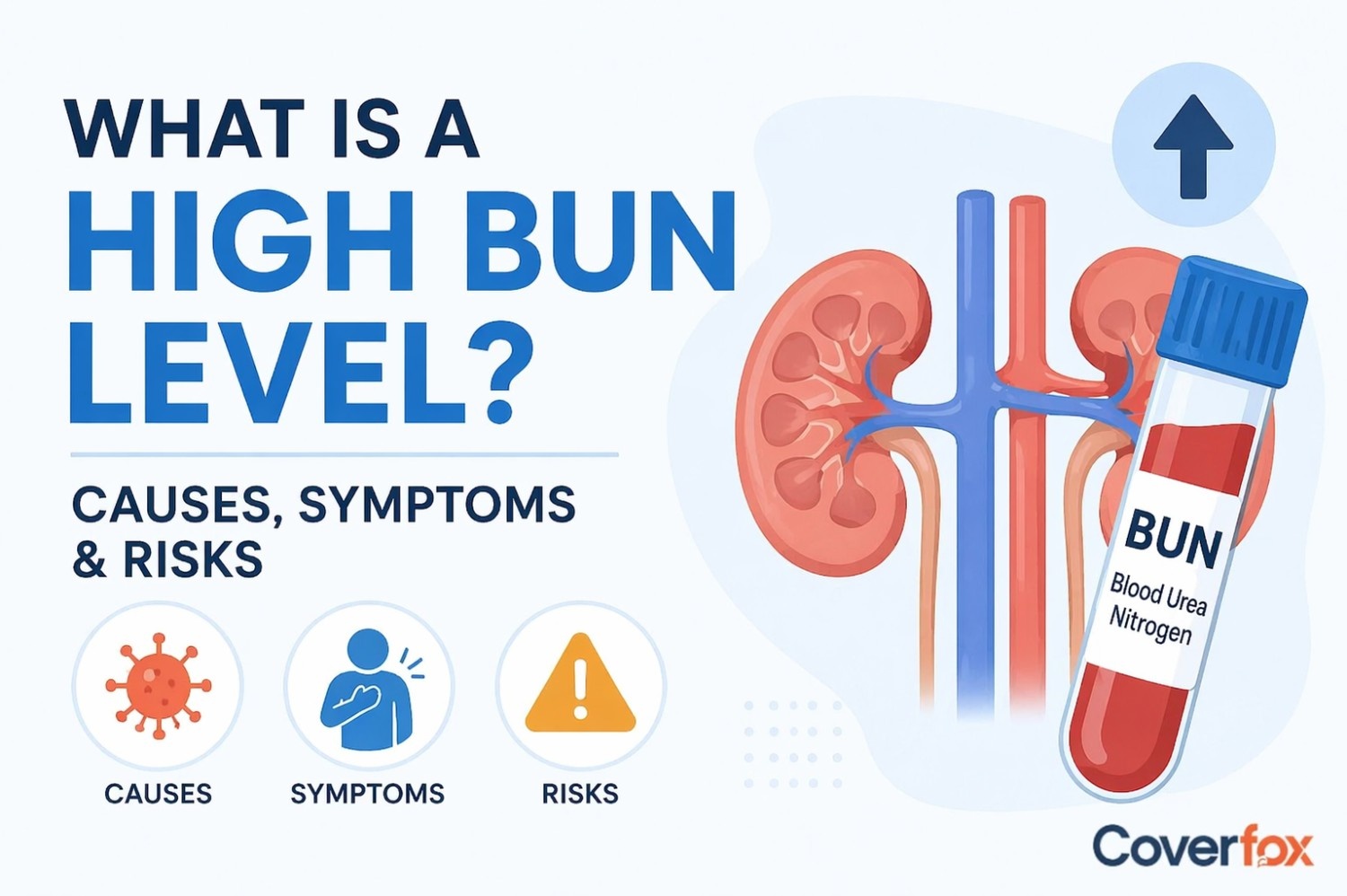
Ever look at lab results and see that the BUN level is up, but have no idea what this really means? This small numerical value may look like just another abbreviation, but it can offer important information concerning kidney function, hydration levels, and overall body function. This test is often found during routine blood work, and a high BUN level can be a warning sign that something is not functioning properly in the body. The good news is that by understanding the causes, symptoms, and risks, individuals can take back control of their health and prevent complications down the road.
What Is a Dangerously High BUN Level?
BUN, or Blood Urea Nitrogen, is a waste product formed in the liver when proteins are broken down and is then carried through the bloodstream to be filtered out by the kidneys. A BUN test measures how efficiently the kidneys are performing this filtration job.
The blood urea normal range for healthy adults is typically 7–20 mg/dL (milligrams per decilitre), though the figure can vary slightly by laboratory and age. Values between 20 and 40 mg/dL may indicate mild dehydration or a high-protein diet. However, blood urea nitrogen levels above 50 mg/dL are concerning and typically warrant immediate medical investigation.
So what is a dangerous high BUN level? Generally, BUN readings exceeding 100 mg/dL are considered critically elevated. They are often associated with severe kidney dysfunction, acute kidney injury, or uraemia, a toxic buildup of waste in the blood. Levels above 180 mg/dL may require emergency dialysis.
Symptoms of Elevated BUN Levels
Mildly elevated BUN levels may cause no symptoms at all, which is why routine testing is so important. However, as levels increase, the following symptoms can emerge:
Fatigue and general weakness
Nausea, vomiting, or loss of appetite
Confusion, difficulty concentrating, or brain fog
Swelling in the legs, ankles, or feet (oedema)
Decreased frequency or volume of urination
Shortness of breath
Itching or dry skin (a sign of waste buildup)
Muscle cramps or twitching
An unusual ammonia-like smell on the breath (uremic fetor)
If individuals are experiencing several of these symptoms together, do not dismiss them; they may be the body's way of signalling that the kidneys need attention.
How to Diagnose High BUN Levels?
Diagnosing high BUN is fairly easy; it's just a blood test, usually done at the hospital, called the Basic Metabolic Panel (BMP) or the Comprehensive Metabolic Panel (CMP), both of which include BUN. The doctor may also order:
BUN-to-Creatinine ratio levels greater than 20:1 can indicate whether the increased BUN is secondary to a renal problem or to non-renal processes, such as dehydration or GI bleeding.
Serum Creatinine is also a common indicator of kidney filtration function.
eGFR (estimated Glomerular Filtration Rate): Derived from creatinine tests to give an overall indication of how your kidneys are working.
Urinalysis: Detects abnormalities such as protein, blood, or cells in urine.
Ultrasound or imaging: To look at the structure of the kidney if abnormalities are suspected.
Treatment Options for High BUN Levels
Treatment for elevated BUN depends on the root cause. Common approaches include:
Hydration:
Medications:
Glucose management:
Dialysis:
Increased fluid intake can quickly restore the BUN to the normal range if the cause is dehydration.
Knocking out infections, heart failure, or whatever happens to be taxing the kidneys.
Lowering the level of excess glucose in the diet under medical supervision.
For acute or chronic kidney failure where BUN is over safe limits.
Diet and Lifestyle Tips to Manage BUN Levels
While medication addresses the symptom, everyday habits can complement the medicine. Follow these researched tips:
1. Maintain a healthy fluid intake:
Try to drink 8 to 10 glasses of fluid daily unless otherwise directed by a physician.
2. Sufficient protein intake:
Excessive consumption of red meat, dairy, or protein supplements can lead to increased BUN levels. Choose vegetable-based proteins.
3. Reduce salt:
Excess salt prevents the kidneys from working properly. Cut down on processed foods and snacks.
4. Control blood pressure and blood sugar:
The main causes of kidney disease in India are high blood pressure and high blood sugar.
5. Regular exercise:
Performing moderate physical activity regularly is beneficial for maintaining blood circulation and controlling blood pressure and blood sugar levels.
6. Avoid smoking and drinking alcohol:
Both are associated with the rapid progression of renal disease.
Complications of Untreated High BUN Levels
Ignoring persistently elevated BUN levels can be life-threatening. Key complications include:
Uremia:
Cardiovascular disease:
Anaemia:
Bone disease:
End-stage renal disease (ESRD):
Toxic buildup of waste products in the blood, causing neurological damage, seizures & coma.
Kidney dysfunction is one of the leading risk factors for cardiovascular death. The GBD 2023 study shows that kidney impairment contributed to almost 12% of all cardiovascular deaths worldwide.
Less erythropoietin is produced by a damaged kidney, leading to a reduction in the production of red blood cells.
Loss of function or kidney damage causes elevated calcium and blood phosphorus levels. Decalcification of bones follows.
Need for permanent dialysis or transplant of a kidney.
When to See a Doctor for High BUN Levels?
Individuals should consult a doctor promptly if they notice:
Continuous tiredness or swelling that does not go away with resting
Drop in urine volume or bleeding in the urine
Sudden confusion or problems thinking clearly.
Severe weakness
Has a history of diabetes, hypertension, or kidney disease in the patient‘s previous records.
A normal test demonstrating blood urea nitrogen, which is well above the normal reference range
A review of the prevalence of CKD in India shows an increase from 11.12% (2011–2017) to 16.38% (2018–2023) in adults, emphasising the need for screening, specifically if individuals are over 40 years old and diabetic or hypertensive.
How Health Insurance Can Help Cover Kidney Function Tests?
Routine health check-up packages that include kidney function tests, such as BUN, creatinine, and eGFR, are a standard part of many health insurance policies. As India bears a growing burden of kidney disease, with an estimated 128 million cases in 2021, the right health cover is not a luxury but a necessity. At Coverfox, we help individuals find health insurance policies that cover:
Yearly preventive health examinations, including kidney function panels
Costs related to hospitalisation for kidney-disease-related causes.
Coverage of dialysis treatment for conditions eligible for it
Pre- and post-hospitalisation
Summary
Blood urea nitrogen high sounds scary, doesn’t it? It shouldn’t. A high BUN value indicates that the body is signalling that something is wrong. There are many reasons the BUN levels might be elevated, from dehydration to kidney failure. Keeping blood urea nitrogen within the normal range prevents a problem from worsening, so individuals can receive treatment before their health is under stress.
Related Articles:
What Is Azotemia? Meaning, Types, Symptoms & Treatment
Tips for Healthy Heart & Controlling Cardiovascular Diseases
Low Haemoglobin Levels: Causes, Symptoms & Treatment
Frequently Asked Questions
Can food affect BUN levels?
Yes. A high-protein diet, especially one heavy in red meat, can temporarily elevate BUN levels even in healthy individuals. Conversely, a very low-protein diet may lower BUN below the blood urea normal range.
How often should BUN be tested?
A kidney function panel that includes BUN is recommended once a year as part of routine blood work for healthy adults who don't have any known risk factors. Those with diabetes, hypertension, or a family history of kidney disease should be tested every 3–6 months, or as directed by their physician.
Are high levels of BUN treatable?
In most cases, yes. If blood urea nitrogen levels are high, it is caused by dehydration, diet, or a treatable medical condition; these levels typically normalise once the cause is addressed. However, if elevated BUN is the result of advanced or chronic kidney disease, management becomes focused on slowing progression rather than a complete cure.
What causes high BUN?
Dehydration, a high-protein diet, kidney disease, heart failure, gastrointestinal bleeding, urinary tract obstruction, severe infections, or certain medications can cause high BUN. In India, diabetes and hypertension are the most commonly identified contributors to kidney dysfunction and chronically elevated BUN.
Is high BUN always a kidney problem?
Not necessarily. While the kidneys are the primary organs responsible for clearing urea from the blood, high BUN can also result from non-kidney causes, such as severe dehydration, gastrointestinal bleeding, excessive protein intake, or heart failure. This is why doctors typically evaluate the BUN-to-creatinine ratio and other markers together before reaching a verdict.
Disclaimer: This article is intended for informational and educational purposes only and should not be considered medical advice, diagnosis, or treatment. The information provided is based on general medical knowledge and may not apply to individual health conditions. Readers are advised to consult a qualified healthcare professional or physician for personalised medical guidance regarding any symptoms or health concerns.