OPD, or Outpatient Department, is an important part of the healthcare system that allows patients to receive medical consultation, diagnosis, and treatment without hospital admission. OPD services help make routine healthcare more accessible, affordable, and convenient for individuals and families.
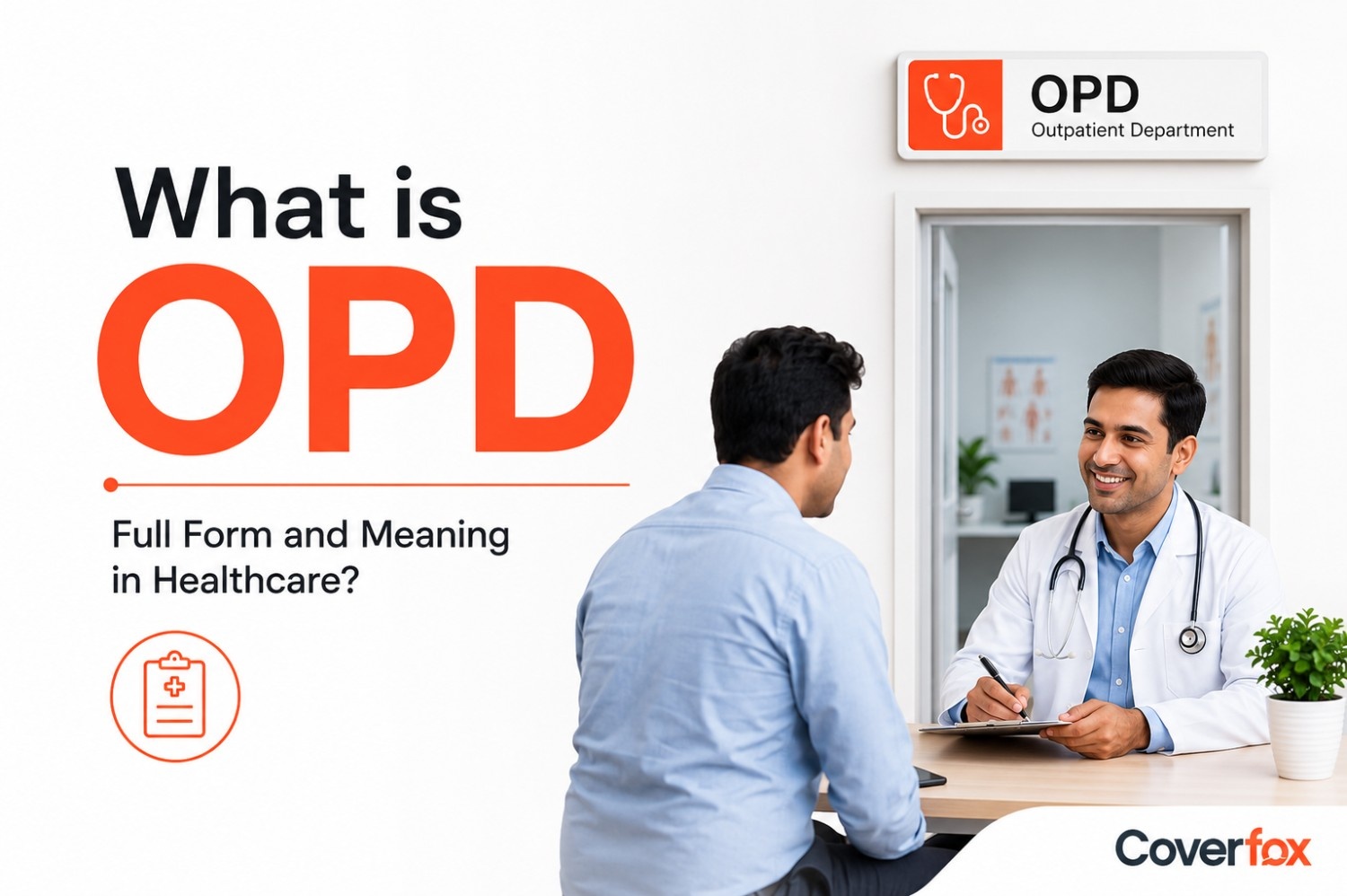
OPD stands for Outpatient Department. This is the department in the hospital where patients get access to medical consultation, diagnosis and treatments without getting admitted. OPD services play an important role in modern healthcare by providing quick and accessible medical care for routine illnesses, preventive healthcare, follow-up visits, and minor treatments.
What is OPD in a Hospital?
The OPD department is the first point of contact for patients visiting a hospital. It provides consultation and treatment for non-emergency medical conditions that do not require hospital admission.
Patients visit the OPD for:
Medical consultations with doctors
Routine health checkups
Diagnosis of illnesses
Follow-up visits after treatment
Preventive healthcare services
The OPD acts as a bridge between patients and healthcare providers by ensuring timely diagnosis and treatment before conditions become severe.
What are the Common OPD Services?
Hospitals and clinics offer a wide range of OPD services to patients for regular healthcare needs.
Common OPD services include:
General physician consultations for common illnesses
Specialist consultations such as cardiology, dermatology, orthopaedics, and paediatrics
Diagnostic tests including blood tests, X-rays, ECGs, and scans
Minor medical procedures and wound dressing
Follow-up consultations after treatment or surgery
Vaccination and immunisation services
Prescription and medicine-related guidance
Preventive health checkups and screenings
What happens in an OPD in a Hospital?
In OPD, the following processes are done:
Registration
Appointment Booking
Doctor Consultation
Diagnostic Tests
Prescription and Treatment
Follow-Up Visits
Patients first register at the hospital reception or OPD counter by providing personal and medical details.
An appointment is scheduled with a general physician or specialist doctor depending on the medical concern.
The doctor examines the patient, discusses symptoms, and provides medical advice or treatment recommendations.
If required, the doctor may recommend diagnostic tests such as blood tests, imaging scans, or other investigations.
Based on the diagnosis, medicines and treatment plans are prescribed to the patient.
Patients may return for follow-up consultations to monitor recovery or continue treatment.
The OPD system helps reduce waiting time and ensures organised patient care.

Types of OPD Services
Different hospitals provide various types of OPD services depending on their medical infrastructure and specialities.
1. General OPD
Provides treatment for common illnesses, infections, fever, cough, cold, and routine healthcare needs.
2. Specialty OPD
Offers consultations from specialist doctors such as dermatologists, cardiologists, neurologists, and orthopaedic experts.
3. Super-Specialty OPD
Handles advanced medical conditions requiring expert consultation in fields such as oncology, nephrology, or neurosurgery.
4. Emergency OPD
Provides immediate medical attention for urgent but non-admission medical conditions and injuries.
5. Telemedicine OPD
Allows patients to consult doctors remotely through phone calls or video consultations, improving healthcare accessibility.
Significance of OPD in the Healthcare System
OPD services are an essential part of the healthcare system because they improve accessibility and reduce the burden on hospitals.
Importance of OPD services:
Reduces unnecessary hospital admissions
Provides early diagnosis and treatment
Improves access to affordable healthcare
Helps manage hospital patient flow efficiently
Supports preventive healthcare and routine checkups
Enables continuous monitoring through follow-up visits
Saves time and hospitalisation costs for patients
Who Should Visit an OPD?
OPD consultations are suitable for patients who require medical attention but do not need emergency hospitalisation.
People who should visit an OPD include:
Individuals with mild illnesses such as fever, cold, cough, or infections
Patients requiring regular health checkups
People visiting for follow-up consultations
Individuals managing chronic diseases like diabetes or hypertension
Patients seeking preventive healthcare services
Children requiring vaccination and routine paediatric care
People requiring specialist consultations for non-emergency conditions
Note: Patients with severe injuries, chest pain, breathing difficulties, or critical emergencies should visit the emergency department instead of the regular OPD.
What is the Cost of an OPD Visit in India?
The cost of an OPD visit in India varies depending on the type of healthcare facility, doctor expertise, and the medical services required.
Average OPD consultation costs in India:
Government hospitals: ₹50 to ₹500
Private clinics: ₹300 to ₹1,500
Multi-specialty hospitals: ₹800 to ₹3,000 or more
Additional expenses may include:
Diagnostic tests
Medicines
Specialist consultation fees
Follow-up consultation charges
Factors affecting OPD costs:
Doctor specialisation and experience
City and hospital location
Type of diagnostic tests required
Hospital reputation and facilities
Medicines and treatment prescribed
Healthcare costs in metro cities are generally higher compared to smaller towns and rural areas.
OPD Coverage in Health Insurance
OPD coverage in health insurance refers to benefits that cover outpatient medical expenses without hospital admission.
Expenses usually covered under OPD benefits include:
Doctor consultation fees
Diagnostic and laboratory tests
Medicines prescribed by doctors
Minor medical procedures
Dental and eye consultations in some plans
Teleconsultation services
Traditional health insurance policies mainly cover hospitalisation expenses, but modern plans increasingly include OPD benefits to support routine healthcare needs.
OPD cover can help reduce out-of-pocket medical expenses, especially for people requiring frequent doctor visits and regular medical care.
Who Should Buy Health Insurance with OPD Cover?
Health insurance plans with OPD coverage can be highly beneficial for individuals who regularly require medical consultations and treatments.
People who may benefit the most include:
Families with young children requiring frequent doctor visits and vaccinations
Senior citizens needing regular health monitoring
Individuals with chronic illnesses such as diabetes, asthma, or hypertension
People requiring ongoing specialist consultations
Individuals who frequently undergo diagnostic tests
Working professionals seeking preventive healthcare checkups
Final Words
OPD services are one of the most important components of modern healthcare systems. They provide patients with convenient access to medical consultation, diagnosis, treatment, and preventive care without requiring hospital admission.
From routine checkups to specialist consultations and diagnostic services, OPDs make healthcare more accessible, affordable, and efficient for patients across India. With the growing importance of preventive healthcare and rising medical costs, OPD services and health insurance plans with OPD coverage are becoming increasingly valuable for individuals and families.
Related Articles:
What is the In-Patient Department (IPD) in a Hospital?
OPD Expense Coverage In Health Insurance Policy
How to Claim Health Insurance Benefits From Multiple Insurers?
Frequently Asked Questions
What is the full form of OPD?
OPD stands for Outpatient Department. It is the section of a hospital or clinic where patients receive medical consultation and treatment without being admitted to the hospital.
What does OPD mean in medical insurance?
In medical insurance, OPD refers to outpatient medical expenses that are incurred without hospitalisation. It may include consultation fees, diagnostic tests, medicines, and minor procedures covered under OPD benefits.
What are treatments in OPD?
OPD treatments include general doctor consultations, specialist consultations, diagnostic tests, minor medical procedures, vaccinations, follow-up visits, and prescription services for non-emergency conditions.
Can I claim OPD expenses under my health insurance?
Yes, you can claim OPD expenses if your health insurance policy includes OPD coverage. The coverage terms and claim limits vary depending on the insurer and policy type.
What medical expenses are covered under OPD insurance?
OPD insurance may cover doctor consultation fees, pharmacy bills, diagnostic tests, minor procedures, dental consultations, eye checkups, and teleconsultation services depending on the policy.
What is OPD covered in health insurance?
OPD cover in health insurance refers to benefits that reimburse or provide cashless coverage for outpatient medical expenses that do not require hospital admission.
Do I need an appointment for an OPD visit?
Many hospitals and clinics recommend appointments for OPD consultations to reduce waiting time, although some healthcare centres also accept walk-in patients.
How much does it usually cost to visit an OPD?
The cost of an OPD visit in India generally ranges from ₹50 to ₹500 in government hospitals, ₹300 to ₹1,500 in private clinics, and ₹800 to ₹3,000 in multi-specialty hospitals.
What is cashless OPD?
Cashless OPD is a facility where patients can receive outpatient treatment at network hospitals or clinics without making upfront payments, subject to policy terms and insurer approval.
What is the difference between OPD and IPD?
OPD refers to medical treatment without hospital admission, while IPD stands for Inpatient Department where patients are admitted to the hospital for at least 24 hours for treatment or surgery.
Who is considered an OPD patient?
An OPD patient is a person who visits a hospital or clinic for consultation, diagnosis, treatment, or follow-up care without requiring hospital admission.