
- Retail Insurance
- Business Insurance
- Resources
- Claims
Diabetes Mellitus is a chronic metabolic disorder characterised by persistent hyperglycaemia (high blood glucose levels) resulting from defects in insulin secretion, insulin action, or both. It is a long-term condition that often develops gradually and requires lifelong management. Diabetes Mellitus is a technical name for Diabetes.
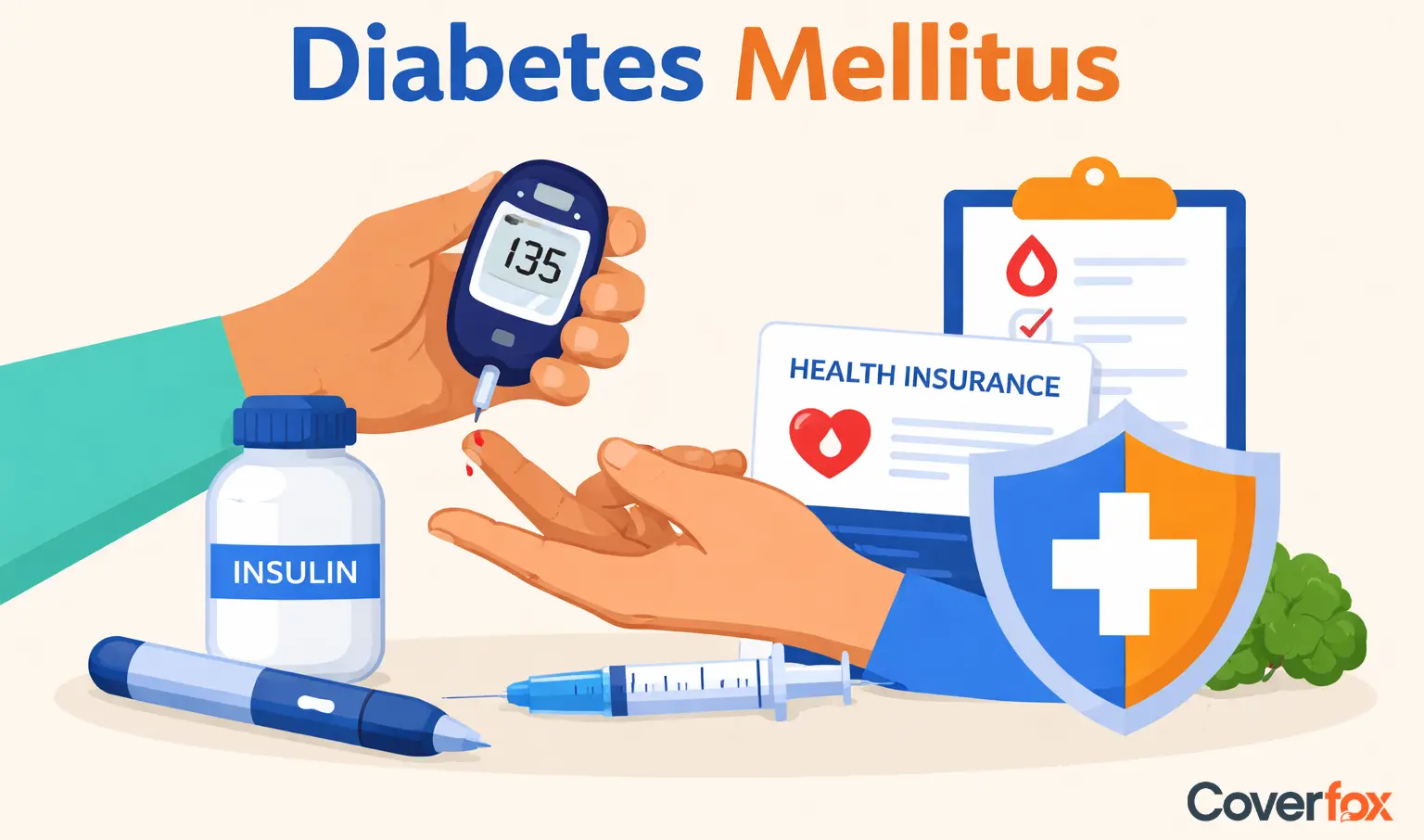
Globally, diabetes has become a major public health concern. According to the International Diabetes Federation (2025), approximately 589 million adults (aged 20–79 years) are living with diabetes worldwide, and this number is expected to rise significantly in the coming decades.
Diabetes Mellitus is a condition in which the body fails to regulate blood glucose levels properly, leading to an excess of glucose in the bloodstream.
Insulin is a hormone produced by the pancreas that enables glucose from the bloodstream to enter cells, where it is used for energy. It helps maintain normal blood sugar levels after food intake.
In a healthy individual:
Food is broken down into glucose, which enters the bloodstream
The pancreas releases insulin in response
Insulin allows glucose to enter cells
Blood sugar levels return to a normal range
In diabetes, this regulation is impaired due to:
Insulin deficiency (little or no insulin production)
Insulin resistance (cells do not respond effectively to insulin)
Or a combination of both
Diabetes Mellitus is broadly classified into major and specific subtypes based on its cause, onset, and underlying mechanism.
Type 1 diabetes is an autoimmune condition in which the body’s immune system attacks and destroys the insulin-producing beta cells in the pancreas. This leads to absolute insulin deficiency.
Typically develops in children or young adults, but can occur at any age
Patients require lifelong insulin therapy
Onset is usually sudden
Example: A teenager presenting with rapid weight loss, excessive thirst, and high blood sugar, requiring immediate insulin therapy.
Type 2 diabetes is the most common form and is characterised by insulin resistance along with a relative insulin deficiency.
Strongly associated with obesity, sedentary lifestyle, and genetics
Develops gradually, often undiagnosed for years
Can be managed with lifestyle changes, oral medications, and sometimes insulin
Example: A middle-aged individual with obesity and a sedentary lifestyle diagnosed during a routine health check-up.
Gestational diabetes occurs during pregnancy due to hormonal changes that cause insulin resistance.
Usually develops in the second or third trimester
Typically resolves after delivery, but increases the future risk of Type 2 diabetes
Requires careful monitoring to protect both mother and baby
Example: A pregnant woman diagnosed with high blood sugar during routine antenatal screening.
MODY is a genetic form of diabetes caused by mutations affecting insulin production.
Often mistaken for Type 1 or Type 2 diabetes
Usually appears before the age of 25
May not always require insulin
A rare form of diabetes that occurs in newborns (within the first 6 months of life) due to genetic mutations.
Can be transient or permanent
Not autoimmune like Type 1 diabetes
This type results from damage to the pancreas due to conditions like chronic pancreatitis, pancreatic surgery, or cancer.
Affects both insulin production and digestion
Often underdiagnosed or misclassified as Type 2
Certain medications can impair insulin action or secretion, leading to diabetes.
Common culprits include corticosteroids, antipsychotics, and some immunosuppressants
May be reversible after stopping the drug
Diabetes develops due to a combination of modifiable (lifestyle-related) and non-modifiable (inherent) risk factors.
These are factors you cannot change but should be aware of:
Risk increases significantly after 35 - 40 years due to declining insulin sensitivity
Having a parent or sibling with diabetes increases genetic susceptibility
South Asians (including Indians) have a higher predisposition to insulin resistance and Type 2 diabetes
Women who had diabetes during pregnancy are at a higher risk of developing Type 2 diabetes later in life
These can be managed or prevented through lifestyle changes:
Excess fat reduces insulin sensitivity
Sedentary lifestyle lowers glucose utilisation by muscles
Diets high in refined carbohydrates, sugars, and processed foods increase risk
Often coexists with insulin resistance and metabolic syndrome
Women with PCOS commonly have insulin resistance
Tobacco use increases insulin resistance and inflammation
Maintaining blood glucose within target ranges is essential to prevent complications. Targets may vary slightly depending on clinical guidelines, but broadly:
Fasting Blood Glucose: 70–99 mg/dL
Post-Meal (2 hours): Less than 140 mg/dL
HbA1c: Below 5.7%
Fasting Blood Glucose: 80–130 mg/dL
Post-Meal (2 hours): Less than 180 mg/dL
HbA1c Target: Below 7%
Targets are slightly relaxed to avoid hypoglycaemia risk:
Fasting Blood Glucose: 90–150 mg/dL
Post-Meal: Less than 200 mg/dL
HbA1c Target: Around 7–8% (depending on overall health and comorbidities)
Stricter control is required to ensure maternal and foetal safety:
Fasting Blood Glucose: Less than 95 mg/dL
1-hour Post-Meal: Less than 140 mg/dL
2-hour Post-Meal: Less than 120 mg/dL
HbA1c: Ideally below 6–6.5% (if safely achievable)
Frequent urination (polyuria), especially at night
Excessive thirst (polydipsia)
Increased hunger (polyphagia)
Unexplained weight loss (more common in Type 1 diabetes)
Fatigue and weakness
Blurred vision
Slow healing of wounds or frequent infections
Recurrent skin infections or fungal infections
Tingling or numbness in hands and feet (neuropathy symptoms)
Dry skin and itching
Darkened skin patches, especially around the neck or armpits (acanthosis nigricans - common in insulin resistance)
Frequent urination and infections in the genital areas
Diabetes Mellitus is diagnosed using specific blood tests that measure glucose levels. Diagnosis is confirmed when values meet established clinical thresholds (typically based on American Diabetes Association standards).
Reflects average blood glucose over the past 2–3 months.
Normal: Below 5.7%
Prediabetes: 5.7% - 6.4%
Diabetes: 6.5% or higher
Measures blood sugar after at least 8 hours of fasting.
Normal: Below 100 mg/dL
Prediabetes: 100 – 125 mg/dL
Diabetes: 126 mg/dL or higher
Measures how the body handles glucose after consuming a 75 g glucose solution.
Normal (2-hour): Below 140 mg/dL
Prediabetes: 140 - 199 mg/dL
Diabetes: 200 mg/dL or higher
Measures blood glucose at any time, regardless of meals.
Diabetes: 200 mg/dL or higher with symptoms
Screening should begin at age 35 years or earlier if risk factors are present (overweight, family history, etc.)
Repeat testing every 3 years if normal
Screen earlier and more frequently if:
Overweight or obese
Family history of diabetes
Sedentary lifestyle
Hypertension or PCOS
Screen for gestational diabetes between 24 and 28 weeks of pregnancy
Earlier screening for high risk
A diagnosis is usually confirmed with two abnormal test results (same or different tests) unless symptoms are clearly present with high glucose levels.
Early detection allows timely management and helps prevent long-term complications.
Diet: Low GI foods, high fibre, controlled carbs, limit sugar/processed foods
Physical Activity: ≥150 min/week + strength training
Weight Loss: 5–10% reduction improves control
Sleep & Stress: 7–9 hrs sleep, manage stress (yoga/meditation)
Smoking: Quit to reduce complications
Goals: Control blood sugar, prevent complications, improve quality of life, reduce cardiovascular risk
When needed: Type 1, uncontrolled Type 2, pregnancy, illness
Types: Basal (long-acting), Bolus (mealtime), Premixed
Side effects: Hypoglycaemia, weight gain, injection reactions
Glucometer: Daily self-testing (fasting/post-meal)
CGM: Real-time tracking with trends
Frequency:
Type 1: Multiple times/day
Type 2: As advised
Use: Identify patterns & adjust treatment accordingly
Note: For medications, please refer to your general physician/doctor’s advice only.
Diabetes Mellitus is a progressive condition that, if not well controlled, can affect nearly every organ in the body. Persistently high blood sugar damages blood vessels and nerves over time, leading to both short-term emergencies and long-term complications. Early detection, regular monitoring, and proper management are essential to prevent or delay these outcomes.
Hypoglycaemia (low sugar): sweating, dizziness, confusion, fainting
Diabetic Ketoacidosis (DKA): nausea, vomiting, fruity breath, rapid breathing
Hyperosmolar Hyperglycaemic State (HHS): severe dehydration, confusion
Seek emergency care if: unconsciousness, breathing difficulty, persistent vomiting, or extreme glucose levels
Retinopathy (eyes): vision loss
Nephropathy (kidneys): kidney damage/failure
Neuropathy (nerves): numbness, tingling, pain
Heart disease: increased heart attack risk
Stroke: impaired brain blood flow
Sexual dysfunction
Mental health issues (stress, anxiety, depression)
Strong link with heart disease, hypertension, and high cholesterol
Leading cause of death in diabetics
Management: glucose control, BP control, and use of statins
Diabetic nephropathy: kidney filter damage
Early sign: microalbumin in urine
May progress to dialysis or transplant if untreated
Prevention: sugar + BP control, regular screening
Diabetic retinopathy: retinal damage
Macular oedema: blurred vision
Higher risk of glaucoma & cataracts
Requires annual eye exams
Neuropathy: tingling, numbness, burning (especially in the feet)
Can lead to foot ulcers, infections, and amputations
Prevention: daily foot care, proper footwear, glucose control
Cause: pregnancy hormones → insulin resistance
Risks:
Mother: hypertension, future Type 2 diabetes
Baby: high birth weight, low sugar after birth
Screening: 24–28 weeks
Treatment: diet, exercise, insulin if needed
Long-term: increased diabetes risk for mother and child
The prognosis of Diabetes Mellitus largely depends on how well blood sugar levels are managed over time. With proper care, many individuals can live long, healthy lives; however, poorly controlled diabetes can significantly reduce life expectancy and increase the risk of complications.
Maintaining target glucose levels (HbA1c, fasting, post-meal) helps delay or prevent complications
Reduces risk of heart disease, kidney failure, vision loss, and nerve damage
Individuals can have a near-normal life expectancy with consistent management
Requires adherence to medication, lifestyle changes, and regular monitoring
Persistently high blood sugar leads to progressive organ damage
Significantly increases risk of:
Cardiovascular diseases (heart attack, stroke)
Kidney failure (dialysis requirement)
Blindness and neuropathy
Associated with reduced life expectancy (often by several years, depending on severity and complications)
Higher risk of acute emergencies (DKA, HHS)
Early diagnosis and timely treatment
Consistent blood sugar control (HbA1c levels)
Management of comorbidities (BP, cholesterol, obesity)
Lifestyle habits (diet, activity, smoking status)
Access to healthcare and regular screening
Diabetes in children and adolescents is most commonly Type 1 diabetes, an autoimmune condition where the body cannot produce insulin. It often develops early in life and requires lifelong insulin therapy and careful daily management.
Majority of paediatric diabetes cases are Type 1
Rapid onset due to destruction of insulin-producing cells
Increasing incidence globally, including in younger age groups
Frequent urination and bedwetting
Excessive thirst
Sudden weight loss despite normal eating
Fatigue and irritability
Blurred vision
Children with Type 1 diabetes are completely dependent on insulin
Administered via injections or insulin pumps
Requires regular blood sugar monitoring and dose adjustments
Teachers and school staff need awareness of the child’s condition
Access to insulin, snacks, and glucose monitoring during school hours
Preparedness for hypoglycaemia episodes (low sugar emergencies)
Individualised care plans are important
Emotional stress of lifelong disease management
Fear of injections, hypoglycaemia, or being “different”
Impact on school, social life, and confidence
Requires support from family, school, and healthcare providers
Overall: With proper insulin therapy, monitoring, and support systems, children with diabetes can lead active, healthy lives, but early diagnosis and consistent care are crucial.
GLP-1 receptor agonists (e.g., semaglutide)
Improve blood sugar + promote significant weight loss
Also benefit heart and kidney health
Dual & Triple Agonists (e.g., tirzepatide, retatrutide)
Target multiple hormones → superior glucose and weight control
Oral GLP-1 drugs (new pills)
Example: orforglipron (in trials) → similar benefits without injections
New tools help identify which drug works best for each patient
Improves outcomes and reduces trial-and-error treatment
Continuous Glucose Monitoring (CGM) → real-time tracking
Artificial pancreas systems → automated insulin delivery
Smart insulin pumps → adjust doses based on glucose trends
AI helps predict blood sugar patterns and optimise insulin dosing
Wearables may enable non-invasive diabetes detection and monitoring
Stem cell therapy → potential to restore insulin-producing cells
Gene editing (CRISPR) → targeting root causes of Type 1 diabetes
Early trials show possibility of insulin independence in future
Yes, diabetes is usually covered under most health insurance plans. However, since it is often considered a pre-existing condition, a waiting period may apply. Coverage generally includes hospitalisation and treatment of diabetes-related complications, depending on the policy terms.
Health insurance plans typically cover both Type 1 and Type 2 diabetes, including hospitalisation, medications, and sometimes outpatient care such as consultations and diagnostics. If diabetes is diagnosed after purchasing the policy, coverage may begin immediately, whereas pre-existing diabetes is usually covered after a waiting period of around 2 to 3 years. Some insurers also offer specialised diabetes plans with shorter waiting periods. Coverage often extends to complications like kidney or heart issues, and insurers may require medical tests before issuing the policy.
Around 89.8 million adults (20–79 years) in India are living with diabetes
This represents a 10.5% prevalence among adults
India is the second-highest diabetes burden country in the world
Source:
International Diabetes Federation - India
Disclaimer: Information on this page is for educational and informational purposes only and must not be taken as medical advice. For proper medical evaluation, refer to a medical professional only.
Diabetes Mellitus cannot be completely cured at present. However, it can be effectively managed through a combination of lifestyle changes, medications, and regular monitoring, allowing individuals to lead a healthy and active life.
Type 1 diabetes is an autoimmune condition where the body does not produce insulin, requiring lifelong insulin therapy. Type 2 diabetes, on the other hand, occurs due to insulin resistance and is often linked to lifestyle factors. It can be managed with diet, exercise, oral medications, and sometimes insulin.
Diabetes, especially Type 2, has a strong genetic component. Having a family history increases the risk, but lifestyle factors such as diet, physical activity, and weight also play a crucial role in its development.
Type 2 diabetes can sometimes be brought into remission through significant lifestyle changes such as weight loss, healthy eating, and regular physical activity. However, Type 1 diabetes cannot be reversed as it involves permanent loss of insulin-producing cells.
Prediabetes is a condition where blood sugar levels are higher than normal but not high enough to be classified as diabetes. It serves as an early warning sign and can often be reversed with timely lifestyle modifications.
People with diabetes can consume sugar in moderation, but it should be carefully controlled and included as part of an overall balanced diet. The focus should be on total carbohydrate intake rather than eliminating sugar entirely.
HbA1c is typically tested every three months in individuals whose blood sugar levels are not well controlled or when treatment changes are being made. For those with stable control, testing every six months is usually sufficient.
Yes, diabetes is generally covered under most health insurance plans, although there may be a waiting period for pre-existing conditions. Coverage typically includes hospitalisation and treatment of complications, depending on the policy.
Uncontrolled diabetes can affect hormonal balance, ovulation in women, and sperm quality in men, potentially leading to fertility issues. Proper blood sugar control can improve reproductive health outcomes.
Diabetic foot refers to complications arising from nerve damage and poor blood circulation in the feet. It can lead to ulcers, infections, and in severe cases, amputation if not managed properly.
Individuals with Type 2 diabetes should limit foods high in sugar, refined carbohydrates, and unhealthy fats. This includes sugary drinks, processed snacks, white bread, and fried foods, as they can cause rapid spikes in blood sugar levels.
In a healthy individual, fasting blood sugar levels typically range between 70–99 mg/dL, while post-meal levels (after two hours) are generally below 140 mg/dL.
Diabetics should avoid excessive intake of added sugars, high glycaemic index foods, and heavily processed or packaged items. These foods can lead to poor blood sugar control over time.
If left untreated, diabetes can lead to serious complications such as heart disease, kidney failure, nerve damage, and vision loss. Early diagnosis and proper management are essential to prevent these outcomes.
Stress alone does not directly cause diabetes, but chronic stress can increase blood sugar levels and contribute to the development of Type 2 diabetes in individuals who are already at risk.
Type 1 diabetes is the most common form of diabetes in children and adolescents and requires lifelong insulin therapy. It often develops suddenly and demands continuous monitoring and support. With proper care, children can lead normal, active lives, but emotional and social support is equally important alongside medical management.