Alloy wheels and spoke wheels serve different riding needs, with alloy wheels offering better handling, lighter weight, and suitability for smooth roads, while spoke wheels provide durability and flexibility on rough or uneven terrain. The choice depends mainly on road conditions, riding style, and maintenance preferences. Selecting the right wheel improves safety, comfort, and overall riding experience.
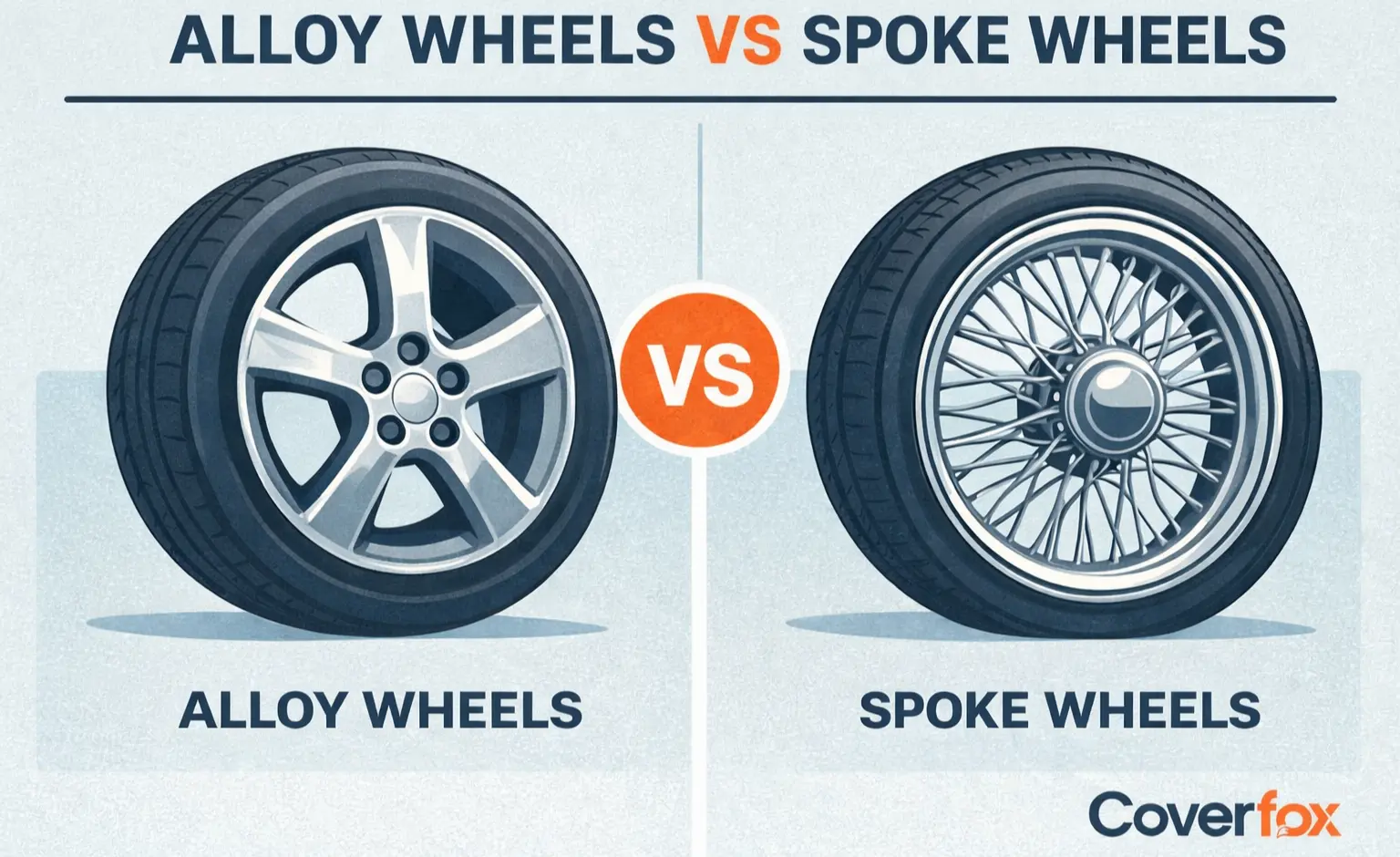
Motorcycle wheels may appear straightforward initially, but their construction alters the rider's experience beyond what they anticipate. There is always some talk around spoked wheels vs alloy wheels, but most of it never goes into the details. Each wheel type behaves differently, has its own disadvantages, and suits a particular kind of road. Read on for a detailed breakdown of spoked and alloy wheels.
What Are Spoke Wheels in a Bike?
Spoke wheels use a metal rim held together with many long wires attached to a central hub. The wires spread the pressure and help the rim stay steady. Steel is the usual material, so the wheel ends up heavier than modern wheels, but the strength stays adequate for harsh tracks. The wheel bends just enough to stop cracks during sudden bumps. A few simple notes:
Ideal for rough roads that have stones or potholes
Weight is on the higher side by 1-4 kg
A damaged spoke can be replaced without changing the full wheel
Structural movement in the rim helps reduce shock on rough ground
What Are Alloy Wheels in Bikes?
Alloy wheels are formed from a single block of aluminium alloy and sometimes magnesium in certain expensive wheels. The way they are shaped—cast or forged—decides strength and cost. The lighter weight makes the bike feel more controlled, and the rim keeps a firm shape at higher speeds. Most of these wheels have tubeless tyres, which many riders choose for urban use.
Lower weight compared with steel
Aerodynamic and rigid shape
Tubeless tyres fit without trouble
Designs vary widely
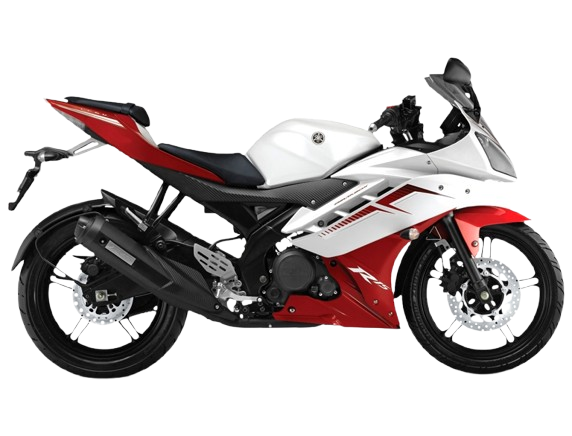
Alloy Wheels vs Spoke Wheels – The Difference in Construction
Spoke wheels are built with several separate parts, while alloy wheels are made as one solid unit. The main difference between alloy wheels and spoke wheels ultimately comes down to how they react on the road.
| Point | Alloy Wheels | Spoke Wheels |
|---|---|---|
| Shape | One-piece metal wheel | Rim supported by wire spokes |
| Material | Aluminium or magnesium | Steel |
| Flex | Very stiff | More flexible |
| Tyres | Tubeless | Tube |
| Weight | Light | Heavy |
| Roads | Smooth routes | Rough surfaces |
Advantages of Alloy Wheels
The weight of alloy wheels is low, which helps the suspension. The motorcycle responds quickly, especially during turns. Tubeless tyres reduce repair work, since a simple plug may fix the puncture.
Some more benefits of alloy wheels:
Stable feel on tarmac
Good heat control around braking areas
Fresh, modern appearance
Lower unsprung weight helps handling
Easy air sealing for tubeless tyres
Disadvantages of Alloy Wheels
These wheels also carry a few weak areas.
Repairs are not simple; a crack might mean a new wheel
Price usually sits above spoke wheels
Not suited for deep potholes
Higher rigidity transmits vibration on broken roads
Advantages of Spoke Wheels
Spoked wheels handle rough surfaces because the rim can shift slightly when needed. The wheel does not fail easily during sudden impact from stones or broken patches.
Good for dirt, gravel, and soft ground
You can switch out broken spokes
Less money
Looks old-fashioned, but fits some bikes
Disadvantages of Spoke Wheels
This older style does have some problems.
Tube tyres heat more and puncture faster
Extra weight slows down steering
Hard to clean due to the many spokes
Not perfect for high-speed use
Which One Is Better—Alloy Wheel or Spoke Wheel?
The answer depends on the road a motorcycle meets every day. Smooth roads make better use of alloy wheels, and rough roads make better use of spoke wheels. The wheels are not rivals; they just suit different surroundings.
Daily route
Repair cost after damage
Handling feels expected
Tyre type
Weight of the motorcycle
Both wheels work fine when placed in the right conditions.
Conclusion
Both spoke wheels and alloy wheels serve distinct riding needs. Choose alloy wheels if around 80% of your riding happens on smooth, well-paved roads, as they offer better stability and sharper handling on tarmac. Opt for spoke wheels if you regularly ride on damaged roads, rocky terrain, or unpaved surfaces, where flexibility helps absorb shocks and reduces the risk of wheel failure. Since no wheel type is immune to damage, securing a reliable two wheeler insurance plan ensures repair costs are covered when unexpected issues arise, letting you ride with confidence.
Disclaimer: This article provides general information about alloy and spoke wheels based on commonly available industry knowledge. Actual performance may vary by bike model, riding conditions, and maintenance. It should not be taken as technical or professional advice. Please consult a qualified motorcycle technician for wheel-related decisions.
Also Read:
Frequently Asked Questions
Spoke wheel vs alloy wheels: which is better?
Spoked wheels perform better on rough paths. Alloy wheels behave better on paved routes.
Which is the strongest wheel?
Forged alloy wheels are sturdy, though spoked wheels can survive impacts better during off-road use.
Alloy wheels vs. spoke wheels: how do they compare in mileage?
Mileage change stays small. Alloy wheels may provide some help because of their lower weight.
Which one is cheaper: alloy wheels or spoke wheels?
Spoke wheels usually cost less as compared to alloy wheels.
Why do people prefer alloy wheels?
Some benefits of alloy wheels that riders like include their design, lighter feel, and tubeless tyres.
Can we change spoked wheels to alloy wheels?
Yes, though all fitting points, such as hub width and brake disc mounts, need to match the frame.
Is it okay to use alloy wheels in winter?
Yes, alloy wheels can be used with normal care.