Maintaining the correct bike tyre pressure (PSI) is essential for safe handling, better braking, fuel efficiency, and longer tyre life. Regular checks, adjusting PSI based on load and weather, and following manufacturer-recommended values help ensure optimal performance and reduce accident risks. Proper tyre pressure also supports overall riding safety and lowers unexpected maintenance or insurance-related costs.
.webp)
Keeping the right tyre inflation pressure is important for ensuring road safety, predictable handling, better braking performance, and greater tyre life. Knowledge of how to measure and ensure the correct air pressure on bike tyres under different conditions during a ride is a way of preserving the life of the rider as well as the vehicle.
Why Proper Tyre Inflation Is Essential for Safe Driving?
The tyres are the only points of contact between the two-wheeler and the road. Thus, it is essential to ensure that the bike tyre pressure of the bike settings is kept. Underinflated tyres generate excessive heat and fuel consumption, while overinflated tyres lead to poor grip and wear on the centre tread. Incorrect pressure influences the cornering stability, braking distance, and motorcycle capacity to balance on uneven surfaces. It is also important that the inflation is accurate to provide maximum performance and prevent the possibility of puncturing.
What is PSI for Bike Tyre Pressure?
The pressure is measured in PSI (pounds per square inch), which is a standard unit that is used to determine the amount of air that is packed in the tyre. Depending on the tyre size, load, and the conditions under which the tyres are used, manufacturers give the best bike tyre pressure in PSI for both the front and rear tyres. Proper PSI provides even contact of treads on the road and strain on suspension parts.
Tyres, the tubeless, tube-type, radial, or biased ones, may have varying PSI settings required. Weather changes also affect pressure; tyres lose pressure when it is cold and gain some when it is hot. The behaviour of the bike tyre pressure leads to frequent changes in the air pressure during seasonal changes.
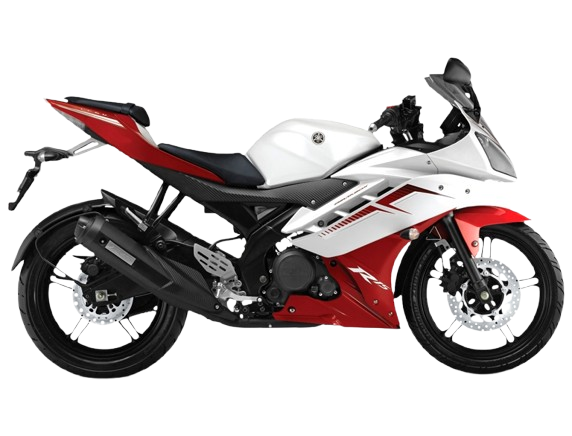
Optimal PSI for Indian Bikes by Type
The recommendation for tyre pressure differs for different types of motorcycles, including commuter bikes, scooters, sport models, and touring bikes. The general industry practices are as follows:
Ordinary commuter bikes (100cc to 125cc)
Front: 25 PSI to 28 PSI
Rear: 30 PSI to 33 PSI (solo), 33 PSI to 36 PSI (pillion)
Scooters
Front: 24 PSI to 26 PSI
Rear: 28 PSI to 32 PSI, with load
Sport and performance bikes
Front: 32 PSI to 36 PSI
Rear: 36 PSI to 40 PSI based on speed, type of tyre and conditions of ride
Touring and adventure motorcycles
Front: 32 PSI to 34 PSI
Rear: 34 PSI to 40 PSI, depending on luggage and road conditions.
These values provide a general guideline for the tyre pressures of common bike types in India. The actual value can vary by manufacturer, tyre brand, and load specification.
Bike Tyre Pressure Chart in India
Below is a simplified reference chart frequently used by riders:
| Bike Category | Front PSI | Rear PSI (Solo) | Rear PSI (With Pillion) |
|---|---|---|---|
| 100–110 cc bikes | 25–28 | 30–33 | 33–36 |
| 125–150 cc bikes | 26–30 | 32–35 | 35–38 |
| Scooters | 24–26 | 28–32 | 32–36 |
| 250–500 cc bikes | 30–34 | 34–38 | 36–40 |
| Performance bikes | 32–36 | 36–40 | N/A |
This table assists riders in performing a quick bike tyre pressure check before long trips or daily commutes.
Disclaimer: Tyre pressure values are approximate and may vary by manufacturer and model. Always follow the specific PSI recommendations provided in your bike's owner manual or on the tyre sidewall for the most accurate guidance.
How to Maintain the Right PSI for Bike Tyres?
Ensuring that the recommended tyre pressure is maintained on a bike is not a one-time affair. Riders can maintain bike tyre pressure at the best levels by following these practices:
Check Bike Tyre Weekly Pressure
A Reliable Tyre Pressure Gauge
Check Tyre Pressure When the Tyres are cold
Pressure changed in relation to the Load
Checking of Tyres for Damage
Avoiding Over-Inflation
Observing the Seasonal Change in the Tyres
A natural loss of tyres is 1-2 PSI per month. Checking every week would make performance consistent.
Roadside air pumps are not always calibrated, and the readings on them are less precise than those of manual or digital gauges.
Hot tyres indicate inflated values because of heat expansion. Checks made early in the morning give correct values.
PSI levels should be a little higher to carry a pillion or luggage.
Pressure retention may be affected by cracks, irregular wear or embedded debris.
High PSI decreases the grip on the road, especially on wet roads.
The pressure is less in winter and more in peak summer; modify PSI.
Conclusion
Proper bike tyre pressure helps in safe riding, increased tyre life, and vehicle handling stability, which are all important factors for overall riding safety and long-term ownership costs, much like having reliable bike insurance. Knowledge of the behaviour of bike tyre pressure, the influence of temperature on it, and adherence to values suggested by the manufacturer can help a rider make smart choices and reduce the risk of accidents or unexpected expenses covered under bike insurance.
Regardless of whether it is a daily commute, long-distance riding, or high-performance riding, maintaining the right tyre pressure in bikes guarantees better braking, traction, and comfort in various road conditions while complementing the protection offered by bike insurance.
Disclaimer: The tyre pressure values used in this guide are just some general recommendations that were made depending on the common types of bikes in India. The actual PSI can also differ based on the manufacturer, model, type of tyre, load and the riding condition. The correct information is always found in the owner's manual of your bike or in the sidewall markings of your tyres.
Also Read:
FAQs on Bike Tyre Pressure
What should be the normal tyre pressure of a bike?
The majority of commuters' bikes take 25-28 PSI on the front tyre and 30-33 PSI on the rear tyre, depending on the load.
Is 40 PSI too high for a bike?
Yes, 40 PSI can be too high with regular bikes and can decrease traction unless it is suggested otherwise in particular performance models.
What is the bike tyre pressure of a 110cc?
The front tyre should have a pressure of between 25 and 28 PSI, and the rear tyre should have between 30 and 33 PSI.
Is 70 PSI too high for bike tyres?
Yes, 70 PSI is not safe for motorcycles and scooters, and it can also lead to tyre damage or loss of control.
What is a good PSI for a bike?
An effective PSI is determined by model type; commuter bikes tend to work better at 2833 PSI, and bigger bikes need higher values.

 in Bikes.webp)
 in Bikes.webp)
.webp)