Traction Control System (TCS) in bikes is an electronic safety feature that prevents rear-wheel spin and improves stability on wet or low-grip Indian roads. It works by continuously monitoring wheel speed and lean angle, allowing the ECU to reduce engine power within milliseconds when slip is detected. TCS enhances rider safety, reduces crash risk during monsoons, and is now available across budget, mid-range, and premium motorcycles in India.
 in Bikes.webp)
Traction Control System refers to an electronic intervention that optimises power delivery between engine torque and tyre grip. This article explains what traction control in bikes is, how it works, and why it matters on Indian roads. It also covers key benefits, types of TCS, and bikes in India that offer this safety feature.
Traction Control System Fundamentals in Bikes
Bikes have traction control, which checks the speed of wheels 100 times per second using sensors on the hub. The Electronic Control Unit (ECU) is able to sense the slip immediately when the rear wheel rotation is greater than the front wheel by 5-10%. Intervention takes place in 20-50 milliseconds through throttle-by-wire closure, ignition retard, or fuel injection cut until grip is regained.
Contemporary systems incorporate Inertial Measurement Units (IMU) tracking lean angle, pitch, and yaw to manage cornering traction. System activation is indicated by the dashboard flash.
How Traction Control Works on Motorcycles?
The activation of the traction control system is in a very specific order:
Front/rear rotation rates are compared all the time by wheel speed sensors.
IMU identifies the lean angle and acceleration vectors of a motorcycle.
ECU uses the slip threshold depending on the riding mode (rain, sport, or track).
Electronic throttle, spark timing or cylinder cut reduction of power.
Grip restoration initiates normal power delivery in milliseconds.
Why is a Traction Control System Needed in Bikes?
The Indian monsoon weather requires traction control in bike interventions. The presence of wet asphalt, initial rains, oil slicks, and standing water lowers the grip coefficients significantly. Electronic stability. Sudden throttle applications at 40–60 km/h may cause high-side crashes.
TCS in the bike helps to avoid fishtailing when passing through corner exits and standing starts on gravel patches. ARAI testing indicates that there is a 35–40% stability increase on low-mu surfaces. The new riders achieve vital safety buffers when commuting in cities.
Benefits of the Traction Control System in Bikes
The traction control system has quantifiable safety benefits:
35% increase in wet grip according to ARAI certification standards.
Smoother throttle delivery will result in 3-5% fuel efficiency.
10% longer tyre life and optimal slip control.
Electronically equipped models have a 15,000 resale premium.
Reduction of high-side crashes by 40% in monsoon conditions.
Smoother throttle delivery will result in 3-5% fuel efficiency.
10% longer tyre life with optimum slip control.
Electronically equipped models have a higher resale value.
Types of Motorcycle Traction Control Systems
| Type | Modes | IMU Integration | Price Range (India) |
|---|---|---|---|
| Basic | On/Off | No | ₹1.5–3 lakh |
| Multi-Mode | 2–6 levels | Optional | ₹3–8 lakh |
| Cornering | 6+ adaptive | Yes | ₹8 lakh+ |
| Advanced | Slide control | 6-axis IMU | ₹12 lakh+ |
Basic systems suit commuters; premium cornering traction adjusts dynamically through lean angles.
Traction Control Bikes in India (2026)
Budget Segment (Under ₹2.5 lakh)
Yamaha FZ-X (₹1.36 lakh): Switchable TCS in the bike
Bajaj Pulsar N250 (₹1.72 lakh): Basic intervention
Yamaha MT-15 V2 (₹1.69 lakh): Track mode option
Mid-Range (₹2.5-6 lakh)
TVS Apache RR 310 (₹2.72 lakh): 5-level traction control system
KTM 390 Duke (₹3.29 lakh): 4 MTC riding modes
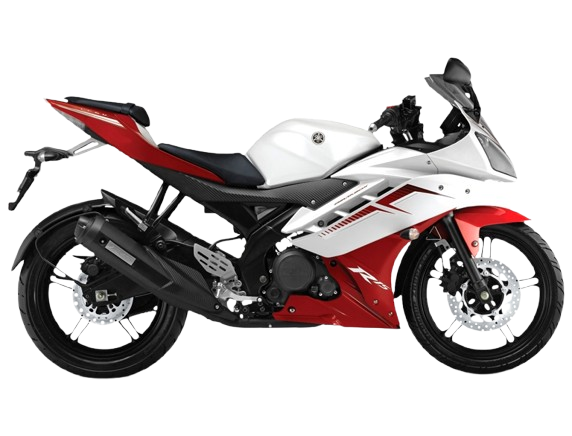
Yamaha R15 V4 (₹1.95 lakh): Affordable sport electronics
Premium (₹6 lakh+)
Kawasaki Ninja 650 (₹7.99 lakh): KTRC dual modes
BMW G 310 R (₹3.25 lakh): Rain/road settings
KTM 390 Adventure (₹3.49 lakh): Off-road traction
BS-VI Phase 2 compliance accelerated electronics adoption across 150+ models.
Disclaimer: Motorcycle prices, variants, and traction control features listed above are indicative and may vary by city, model year, and manufacturer updates. Availability of traction control systems depends on specific variants. Readers should verify specifications and ex-showroom prices with authorised dealers before purchase.
Traction Control Dashboard Indicators in Bikes
TCS in bike activation displays:
Flashing yellow/orange symbol during slip intervention
Riding mode indicators (Rain/Sport/Track)
Low battery warnings are disabling electronics
IMU calibration status post-crash
Regular service intervals recalibrate sensor alignment.
Maintenance Requirements for TCS in Bikes
Traction control system reliability demands:
Sensor cleaning after muddy/off-road exposure
ECU software updates during scheduled services
Battery voltage testing (12.6V+ required)
Wheel speed sensor gap verification (0.8-1.2mm)
Regular maintenance of your bike’s Traction Control System (TCS), such as sensor cleaning and ECU software updates, not only ensures optimal performance but also helps avoid unexpected repair costs, making bike insurance a smart investment for any rider.
Also Read:
Disclaimer: The information provided in this article is for general informational and educational purposes only. Traction control system features, performance metrics, prices, and safety statistics may vary by manufacturer, model, riding conditions, and regulatory updates. Insurance coverage for electronic components such as ECU, IMU, and sensors is subject to the terms, exclusions, and add-ons of individual motor insurance policies.
Frequently Asked Questions (FAQs) on TCS in Bikes
What is traction control in bikes?
Traction control in bikes prevents rear wheel spin during acceleration by comparing wheel speeds and reducing engine power electronically.
How does traction control work on a motorcycle?
Wheel speed sensors monitor rotation 100 times per second. Rear wheel slip triggers ECU intervention via throttle-by-wire, ignition retard, or fuel cut until grip is restored.
Do motorcycles really need traction control?
The traction control system prevents 40% of high-side crashes during Indian monsoons. It is particularly crucial for novice riders and for corner exits on low-grip surfaces.
Is traction control necessary for bikes?
TCS in bikes proves essential below the ₹2 lakh pricing. Wet grip improves 35%; resale value increases 10%. ARAI certification validates the safety claims.
What is the use of TCS in bikes?
TCS stabilises corner exits, tames wheelies, and prevents fishtailing. Rain modes optimise monsoon performance, specifically for Indian roads.


 in Bikes.webp)