
Motorcycle front suspension affects comfort, stability, and handling. Telescopic forks are simple, affordable, and ideal for daily commuting, offering a smooth ride. USD forks use an inverted design for greater rigidity, improving control during high-speed riding and braking. While USD forks enhance performance, telescopic forks prioritize comfort. The right choice depends on riding style, usage, and budget.
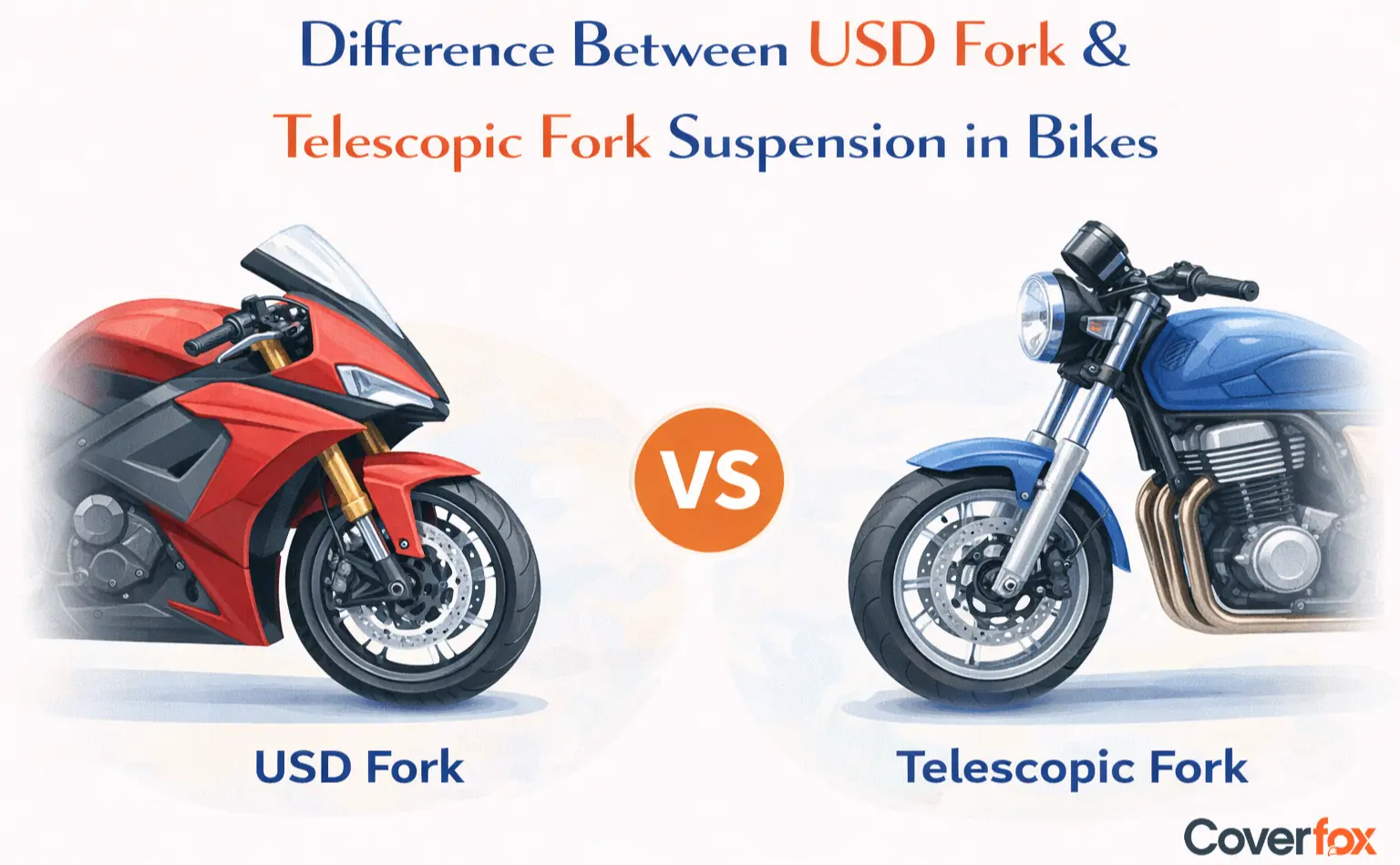
Motorcycle front suspension plays a crucial role in ride comfort, braking stability, and overall handling. Two of the most common systems are telescopic and upside-down (USD) fork suspensions. While telescopic forks are ideal for daily commuting and long rides due to their comfort and affordability, USD forks offer higher rigidity and precise handling for high-performance motorcycles. This blog explores their differences, benefits, and drawbacks to help riders make an informed choice.
What is Motorcycle Front Suspension?
The shocks from the roads, brakes and turnings are absorbed by the front suspension system of a motorcycle. It plays a major role in the motorcycle's performance on rough surfaces, during braking, and on long rides.
As with any mechanical system, the suspension system on a motorcycle will gradually deteriorate as its parts, such as fork seals, springs, and damping materials, wear out. High-performance bikes or those used frequently in harsh riding conditions exacerbate the wear and tear. Besides considering the long run of ownership, factoring in unexpected repair costs is very important, especially in the event of an accident or damage to crucial parts like the front suspension system of the motorcycle. Appropriate motorcycle insurance is as necessary as regular maintenance.
What is Telescopic Fork Suspension?
Telescopic fork suspension is the conventional and most common type of front suspension system. It has two fork legs, with the inner tube being thinner and fitting into the outer tube, which is thicker, and held together by springs and damping oil. The telescopic suspension system provides a smooth ride. It performs well on potholes, speed breakers, and long stretches of highways.
What is Upside Down Fork Suspension?
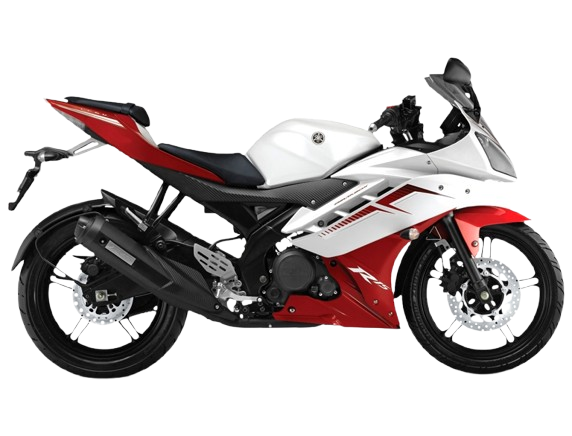
Upside-down forks, also known as USD forks, are an inverted version of the conventional suspension system. The thicker fork tube is placed on top, mounted to the triple clamp, while the thinner tube is placed near the wheel. The USD fork suspension is designed for performance-oriented riding. USDs are commonly found on sports bikes, high-performance motorcycles, and adventure bikes.
Benefits and Drawbacks of Telescopic vs USD Fork Suspension
| Aspect | Telescopic Fork Suspension | USD (Upside Down) Fork Suspension |
|---|---|---|
| Primary Benefit | Provides a smooth and comfortable ride by effectively absorbing bumps and road unevenness. Ideal for city traffic and long journeys. | Offers a stiffer structure that minimizes fork deflection under stress, improving stability during aggressive riding and braking. |
| Maintenance & Cost | Parts are simpler to manufacture and service, making it more affordable. | Maintenance and repairs can be more expensive due to complex design and specialized components. |
| Performance | Moderate rigidity; prioritizes comfort over high-speed handling. | High rigidity; allows more precise steering and control at higher speeds. |
| Tuning Options | Limited, as standard models offer fewer adjustment possibilities. | Greater potential for suspension tuning, including adjustable damping and advanced configurations. |
| Ride Comfort | Very comfortable, suitable for everyday riding and touring. | Can feel firm or stiff, especially on rough roads or potholes, prioritizing performance over comfort. |
| Ideal Usage | Daily commuting, city riding, touring motorcycles. | High-performance sports bikes, premium motorcycles, adventure bikes. |
Key Difference Between USD and Telescopic Forks
The key difference between USD forks and telescopic fork suspension is based on design intent. While the primary goals of telescopic fork suspension are comfort, durability, and affordability, making it ideal for daily use, the design intent of USD forks is rigidity and performance, providing better control under stress. Some of the major differences between these two suspension systems are as follows:
| Aspect | Telescopic Fork Suspension | USD Fork Suspension |
|---|---|---|
| Design | Inner tubes slide into outer tubes | Thicker tubes at the top and thinner at the bottom |
| Rigidity | Moderate | High |
| Ride Comfort | Easy | Firm |
| Braking Stability | Best for regular braking | Best for hard braking |
| Maintenance Cost | Low | High |
| Common Usage | Daily commuting and touring bikes | Sports and premium bikes |
USD Fork vs. Telescopic Fork - Which Is Better?
The decision between USD forks vs telescopic forks is largely dependent on the rider’s personal preferences and usage patterns. Riders who value comfort, affordability, and ease of maintenance may find the telescopic fork suspension system better suited to their daily needs. For those who enjoy riding or own high-performance motorcycles, the USD fork suspension system may be more ideal due to its added rigidity and stability. There is no universal solution to this question; it all depends on what works best for the individual rider. Regardless of your choice, having proper bike insurance is essential to protect your motorcycle from accidents or damage.
Related Content:
* Discounts on bike insurance premiums are subject to the insurer and may vary across different insurers. Not all insurers provide discounts for clean riding records; check your policy carefully.
FAQs of USD vs Telescopic Fork
Why is the USD fork better?
Due to the higher rigidity of the USD forks, the flex is minimized during aggressive riding as well as braking. Therefore, steering behavior has been improved.
What is the USD fork's full form?
USD is a short form for Upside Down Suspension. It has an inverted fork style, hence the name upside down.
What are the main differences between USD forks vs. telescopic forks?
The major differences lie in their design orientation, stiffness, cost, and performance. USD forks are designed for high performance, whereas telescopic forks are more about comfort and affordability.
Which is better: USD suspension or telescopic suspension?
Neither one is better than the other. USD suspension is perfect for sport bikes, whereas a telescopic suspension can be useful for daily commuting and touring.




 in Bikes.webp)
 in Bikes.webp)

