
Winter riding demands more preparation than just throwing on a jacket. Cold air, fog, and reduced flexibility can affect your comfort and control on the road. Wearing the right winter riding gear helps you stay warm, alert, and protected, making every cold-weather ride safer and far more enjoyable. Essential winter riding gear includes a helmet with anti-fog features, an insulated riding jacket, riding pants, winter gloves, waterproof boots, and proper neck protection to help riders stay confidently protected in cold conditions.
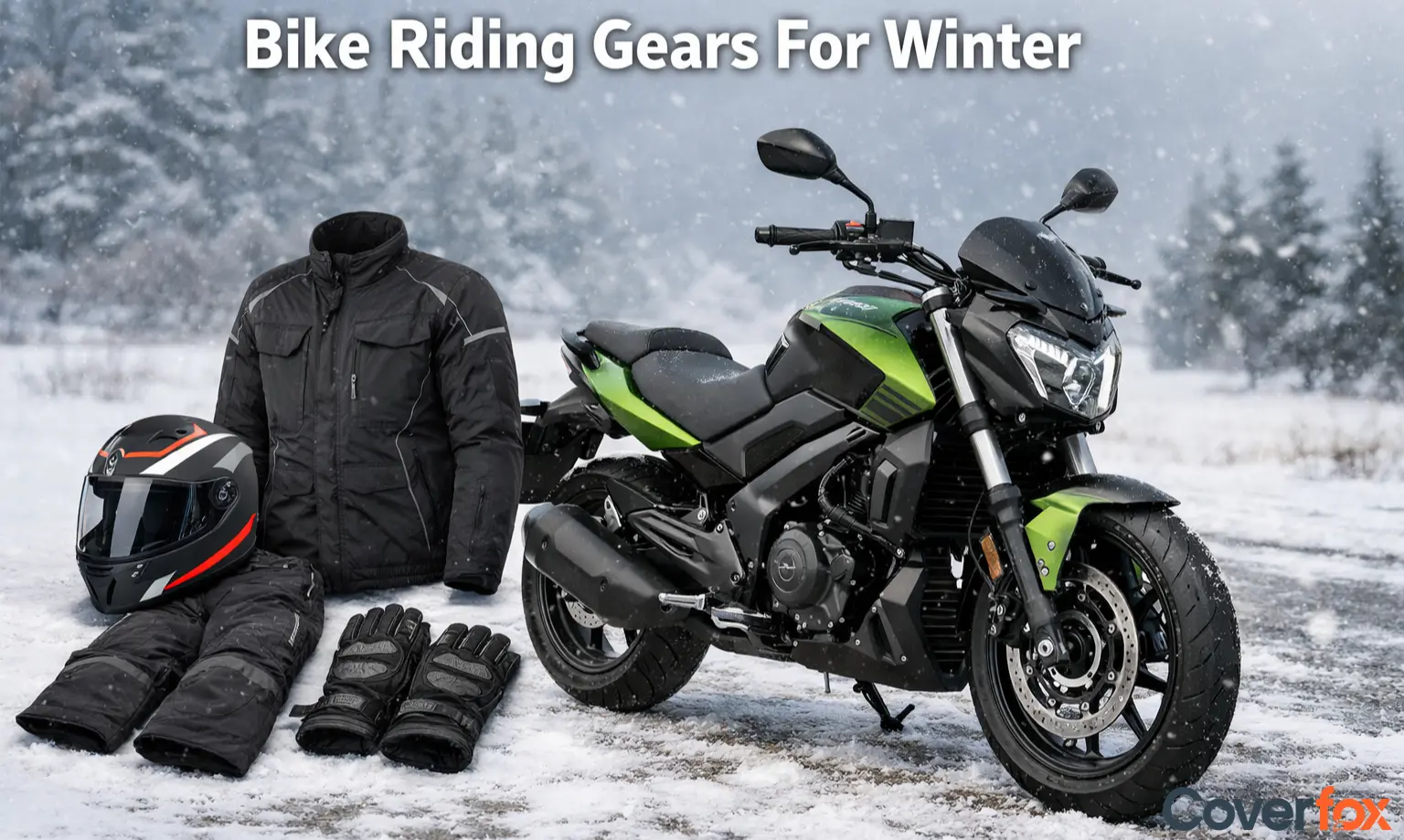
Just as you ensure your bike is covered with bike insurance for financial protection, preparing with proper winter riding gear is essential for your safety. As you prepare for the monsoons with raincoats and umbrellas, you also need to gear up for the winter. Wearing a jacket alone won’t cut it. The winter riding gear mentioned in this article will ensure you have smoother rides in the cold. To know which gear you should get and why, read along.
Why Does Winter Riding Mean More Than Just a Jacket?
Winter riding is not just about staying warm, but it’s also about staying safe and in control on the road. Cold temperatures, reduced visibility, and stiff muscles can affect reaction time and riding comfort, making proper winter preparation essential.
-
Why Wearing Winter Gear Is Important
-
Maintains body warmth
Proper winter gear prevents heat loss, keeping muscles flexible and reducing fatigue during long rides.
-
Improves control and comfort
Insulated gloves and jackets help maintain grip sensitivity and smooth movement.
-
Enhances safety
Winter riding gear often includes abrasion resistance, padding, and reflective elements for better visibility in low-light conditions.
-
-
What Happens If You Ignore Proper Gear?
Increased risk of hypothermia and numbness, reducing focus and reaction time
Poor grip and control due to cold, stiff hands and muscles
Higher chances of fatigue and discomfort on longer winter rides
Reduced visibility to other road users in foggy or low-light conditions
Greater injury risk in case of a fall due to a lack of protective padding
Layering System for Winter Riding - Base, Mid & Outer
Winter riding is best handled through smart layering rather than bulky clothing. Lightweight, flexible layers work together to keep you warm, dry, and protected while allowing easy movement on the bike.
-
Base Layer
Choose snug, moisture-wicking thermal wear that traps body heat while pulling sweat away from the skin, keeping you dry and comfortable even on longer rides.
-
Mid Layer
Mid layers like fleece or light thermals add insulation and help retain warmth, especially useful in colder regions or during early-morning and highway rides.
-
Outer Shell
A windproof and waterproof riding jacket and pants protect against cold air, rain, and fog, while also offering abrasion protection and reflective elements for better visibility in low-light conditions.
Essential Bike Gear Every Winter Rider Must Have
These are the essential riding gear items no winter rider should skip, as each one plays a direct role in keeping you warm, comfortable, and safe in cold riding conditions.
-
Helmet with Anti-Fog Features
A helmet with an anti-fog visor ensures clear vision in cold and humid conditions. Features like breath guards and chin curtains reduce fogging and prevent cold air from entering the helmet.
-
Insulated Riding Jacket
A good winter riding jacket comes with thermal liners and windproof outer shells that retain body heat. Reflective panels also improve visibility during foggy mornings and low-light winter rides.
-
Riding Pants / Over-Pants
Winter riding pants protect your legs from cold wind, rain, and road debris. Look for options with waterproof layers and built-in armour to maintain both warmth and impact protection.
-
Winter Riding Gloves
Insulated gloves keep your fingers warm and prevent numbness, helping you maintain proper throttle, brake, and clutch control. Windproof and waterproof gloves also improve comfort during long rides.
-
Insulated Waterproof Boots
High-ankle waterproof boots protect your feet from cold air and moisture while providing ankle support. Pair them with thermal socks to retain warmth and improve riding comfort.
-
Neck and Face Gear
Balaclavas, neck warmers, or neck gaiters block cold wind from entering the helmet and jacket. They help reduce heat loss from the neck area and make long winter rides more comfortable.
Additional Gear for Extra Comfort and Protection for Winter Riding
While not exactly essential, these gears can make a big difference during extreme cold, rain, or long-distance winter rides by improving comfort, visibility, and overall safety.
-
Heated Gear
Heated gloves, jackets, or handle grips provide consistent warmth in very cold conditions, especially on long highway rides. They help prevent numbness and reduce fatigue caused by prolonged exposure to low temperatures.
-
Rain / Waterproof Over-Gear
Waterproof jackets, over-pants, and rain covers protect you from rain, mist, and slush commonly experienced in winter. Staying dry helps maintain body heat and prevents discomfort during longer rides.
-
Reflective or High-Visibility Gear
Reflective strips or high-visibility vests improve your visibility during foggy mornings, low light, and early sunsets in winter. This helps other road users spot you sooner, reducing accident risk.
-
Extra Protective Gear
Additional knee guards or armoured inner wear add an extra layer of protection on slippery winter roads, offering better impact resistance and confidence while riding.
Practical Tips for Wearing Winter Gears
Wearing winter riding gear is not just about putting the gear on; it’s about wearing it the right way. Small mistakes like bulky clothing, poor fit, or trapped moisture can reduce comfort and even affect riding control. These practical tips will help you use your winter gear effectively so you stay warm, comfortable, and safe on every ride.
-
Layer smartly, not heavily
Use proper base, mid, and outer layers instead of bulky clothing to stay warm without restricting movement.
-
Ensure a snug but comfortable fit
Loose gear lets cold air in, while overly tight gear can restrict blood flow and reduce warmth.
-
Check visibility before riding
Make sure visors are anti-fog, reflectors are clean, and high-visibility elements are not covered by layers.
-
Protect hands and feet first
Cold fingers and toes affect control—always wear insulated gloves and waterproof boots with warm socks.
-
Avoid cotton innerwear
Cotton traps moisture and makes you feel colder; always choose moisture-wicking materials.
-
Test your gear before long rides
Wear your full winter setup on a short ride to check comfort, flexibility, and warmth.
Summing Up
To sum up, winter riding requires the right gear to ensure both safety and comfort. Essential items like anti-fog helmets, insulated jackets, winter gloves, waterproof boots, and protective layers will help you stay warm, visible, and in control. Proper preparation is key to enjoying a smooth and safe ride, no matter how cold the weather gets.
Read More:
Frequently Asked Questions
What riding gear is essential for winter motorcycle riding?
A helmet with anti-fog features, an insulated jacket, riding pants, winter gloves, waterproof boots, and neck protection are essential.
How can I stay warm while riding a motorcycle in winter?
Use proper layering, wear insulated riding gear, block wind exposure, and consider heated gear for extreme cold.
What type of jacket is best for cold-weather bike riding?
A windproof and insulated riding jacket with thermal liners and reflective elements works best for winter conditions.
How do I prevent my helmet visor from fogging up in winter?
Use anti-fog visors, Pinlock inserts, breath guards, and ensure proper ventilation.
What gloves should I use for winter motorcycle riding?
Insulated, windproof, and waterproof gloves designed for winter riding help maintain warmth and control.
Are heated gloves or heated gear worth it for winter rides?
Yes, especially for long-distance rides or extremely cold weather, as they provide consistent warmth and reduce fatigue.
What should I wear under my riding jacket in winter?
Moisture-wicking thermal base layers and lightweight fleece mid layers work best.
Are waterproof boots necessary for winter motorcycle riding?
Yes, waterproof boots keep feet dry, warm, and improve grip on wet or cold roads.
Is it safe to ride a motorcycle during winter?
Yes, with proper gear, cautious riding, and reduced speeds, winter riding can be safe.
How do I stay visible when riding in fog or low-light winter conditions?
Wear reflective or high-visibility gear and ensure your bike lights and helmet reflectors are clean and functional.


 in Bikes.webp)

