
Winter conditions in India can quietly affect a bike’s performance, safety, and reliability due to cold starts, reduced battery efficiency, moisture buildup, fog, and low road grip. Regular winter maintenance focused on tyres, brakes, battery, fluids, and electricals helps prevent breakdowns, reduce accident risk, and avoid avoidable repair or insurance claims.
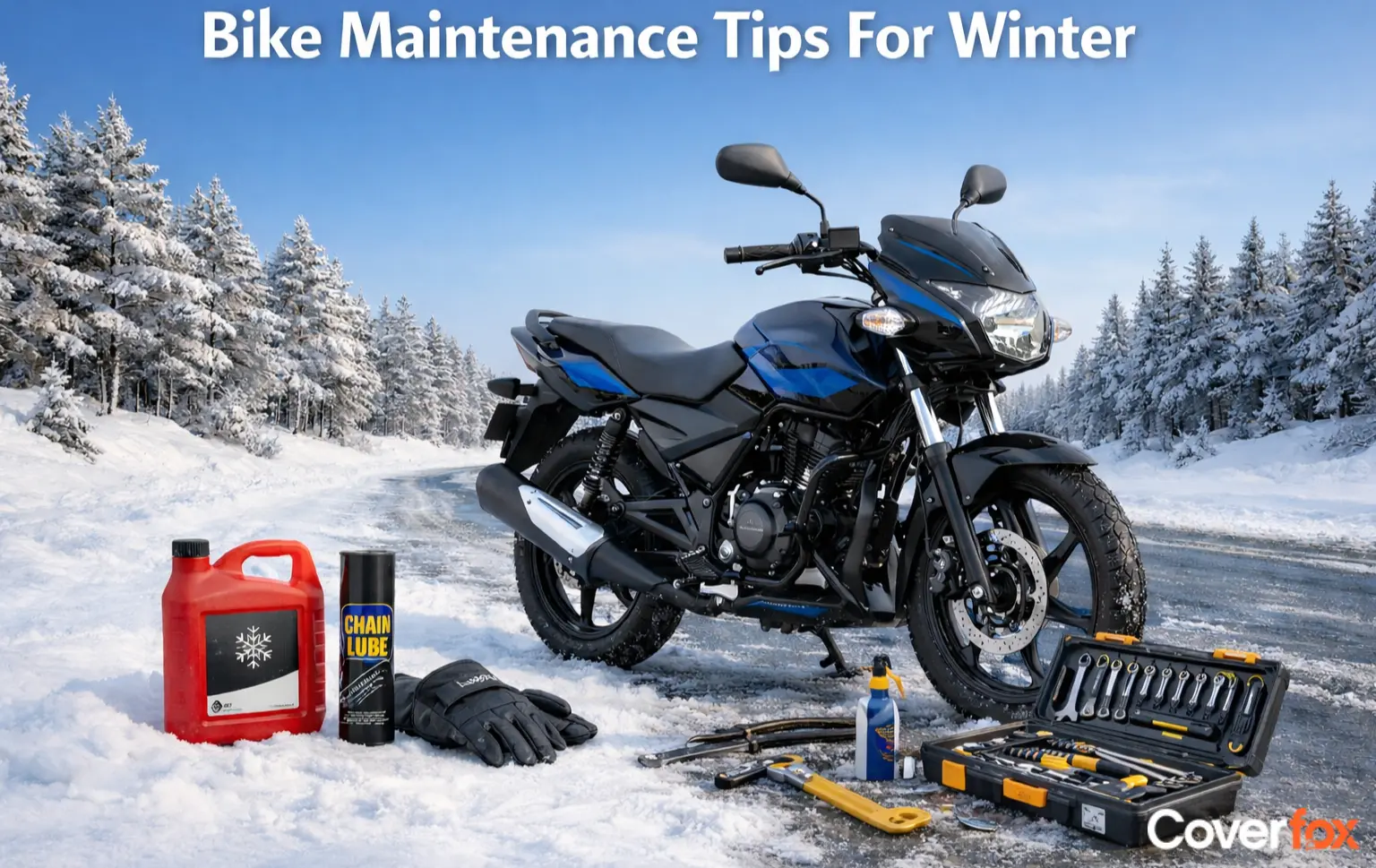
Have you prepared your bike for the winter season? Winters in India can quietly affect everyday riding, making cold starts more difficult and reducing visibility during early morning or late evening rides. Moisture combined with dust and pollution can also take a toll on key components if ignored. To stay ahead of these seasonal challenges, regular winter maintenance is essential and this article walks you through the checks that matter most.
Why Is Winter Maintenance Important for Your Bike?
Winter conditions can quietly reduce your bike’s performance and increase wear, especially during daily commutes. Cold temperatures, moisture, fog, and dust put extra stress on key components, making timely maintenance more about prevention than repair. A few seasonal checks help improve safety, ensure reliability, and avoid unexpected repair costs.
Tyres
Brakes
Lights
Battery
Cables
Fluid levels
Check tread depth and air pressure, as cold weather can cause pressure drops and reduce grip.
Inspect brake pads and fluid levels to ensure consistent stopping power on cold or damp roads.
Ensure headlights, tail lights, and indicators are working properly for better visibility in foggy conditions.
Test battery health, as cold weather reduces its ability to hold and deliver charge.
Lubricate clutch and throttle cables to prevent stiffness and delayed response.
Check engine oil, brake fluid, and coolant (if applicable) to keep the engine running smoothly in lower temperatures.
Here are some essential maintenance tips for your bikes in the winter:
1. Cleaning & Protecting Your Bike During Winter
Rusting and parts getting worn out are very common in winter, due to moisture and dust grimes mixing up. If not cleaned regularly, this buildup can damage exposed metal parts, affect moving components, and reduce the bike’s overall lifespan. Keeping your bike clean in winter is less about looks and more about long-term protection.
Regular Cleaning to Prevent Rust and Wear
Protecting Your Bike from Moisture and Corrosion
A simple routine can go a long way in winter. After daily rides, especially in the early morning or late evening, wipe down exposed metal parts to remove moisture and dirt. Once a week, give your bike a gentle wash, paying extra attention to the underbody, chain area, footrests, and suspension components where grime tends to settle. Always dry the bike thoroughly after cleaning to prevent water from sitting on metal surfaces.
Use a breathable bike cover when parking outdoors to shield your bike from dew and fog, and choose dry, well-ventilated parking whenever possible. Applying silicone spray or anti-rust lubricant to exposed metal parts, nuts, bolts, and the chain helps repel moisture and prevent corrosion. Avoid spraying lubricants on brake discs, brake pads, or tyres, as this can reduce braking efficiency and compromise safety.
2. Bike Engine & Mechanical Parts Care During Winter
Cold weather, moisture, and reduced riding heat can affect how your bike’s engine, mechanical parts, and electrical systems perform. A few winter-specific checks like the ones mentioned below help prevent wear, improve reliability, and keep daily rides smooth:
Engine Oil and Cold Weather Performance
Chain Cleaning, Lubrication, and Adjustment
Fuel System and Air Filter Care
Electric Bike Battery Performance & Charging in Cold Weather
Do charge in a dry, room-temperature environment
Do avoid deep discharges
Don’t expose the battery to extreme cold for long hours
Don’t use fast charging repeatedly in very cold conditions
Protecting Electrical Components from Moisture (Electric Bikes)
In winter, engine oil tends to thicken, which makes it harder for the engine to circulate oil during cold starts. This can increase engine strain if the oil is old or below the recommended level. Checking oil levels regularly and changing the oil on time helps the engine run smoother, start easier, and stay protected in cold conditions.
Winter air and reduced riding heat can cause chains to dry out faster, especially when dust mixes with moisture. Clean the chain regularly, apply a winter or wet-condition chain lube, and wipe off excess lubricant to avoid dirt buildup. Also, check the chain slack, as a poorly adjusted chain can affect ride comfort and component life.
This weather can cause condensation inside the fuel tank, especially when fuel levels are low. Keeping the tank reasonably full helps reduce moisture buildup. At the same time, dusty winter air can clog the air filter faster, so inspect and clean or replace it as needed to maintain proper engine breathing and fuel efficiency.
Cold temperatures can temporarily reduce battery range and slow down charging, which is normal for electric bikes. To minimise impact, charge the battery indoors or in a sheltered area and avoid charging immediately after a long, cold ride. Do not let the battery drain completely, and store it partially charged if the bike is unused for extended periods.
Do’s and Don’ts:
Fog, dew, and moisture can affect controllers, wiring, and connectors over time if exposure is frequent. Park the bike in a dry, covered area and avoid washing it with high-pressure water. When cleaning, use a dry or slightly damp cloth and ensure all electrical areas are completely dry before riding or charging.
3. Bike Tyres, Brakes, and Road Grip in Winter
Tyres and brakes are your safe keepers during winter rides. Cold temperatures, early-morning fog, and damp road surfaces can reduce grip and increase stopping distances, making it even more important to ensure these components are in top condition before heading out.
Maintaining Correct Tyre Pressure and Tread
Brake Performance in Cold and Foggy Conditions
Cold air causes tyre pressure to drop, even if there is no puncture, which can affect stability and fuel efficiency. Riding on under-inflated tyres also reduces grip, especially on dusty or slightly wet winter roads. Check tyre pressure at least once a week and always before long rides, and inspect the tread to ensure it has enough depth to maintain traction and control during sudden braking or turns.
Winter moisture and lower temperatures can make brakes feel less responsive, particularly during the first few stops of the day. Worn brake pads, stiff cables, or low brake fluid can further reduce braking efficiency when you need it most. Regularly inspecting brake pads, cables, and fluid levels helps ensure consistent braking performance and safer rides in foggy or low-visibility conditions.
4. Bike Battery, Lights, and Electrical Safety During Winter
During winters, utmost care is important for your bike’s battery, lights and other electrical components:
Battery Care for Fuel and Electric Bikes
Lights and Visibility During Shorter Days
In fuel-powered bikes, cold weather can slow down battery output, leading to weak cranking or delayed starts. For electric bikes, winter temperatures can reduce charge retention and affect overall range. Keeping batteries clean, properly charged, and protected from prolonged cold exposure helps maintain dependable performance across both types of bikes.
Reduced daylight and foggy conditions make functioning lights critical for visibility. Headlights help you see uneven roads and obstacles ahead, while tail lights and indicators ensure other road users can spot you in low light. Regularly checking bulbs, brightness, and alignment improves visibility and reduces the risk of being overlooked during early morning and evening rides.
5. Long-Term Storage and Post-Winter Care for Bike
If you ride less frequently during winter or keep your bike parked for long periods, proper storage becomes just as important as regular maintenance:
How to Store Your Bike If Not Used Regularly During Winter
Clean the bike thoroughly to remove dirt, moisture, and pollutants
Dry all surfaces properly to reduce the risk of rust and corrosion
Maintain recommended tyre pressure to prevent flat spots
For fuel bikes, keep the battery fully charged and start the bike occasionally
For electric bikes, store the battery partially charged in a dry, cool place
Park the bike in a covered, well-ventilated area
Use a breathable bike cover to protect against dust and dew
Getting Your Bike Ready After Winter Ends
Check tyre pressure and inspect tyres for cracks or wear
Test brakes, lights, and indicators before riding
Check engine oil, brake fluid, and other fluid levels if applicable
Ensure the battery is holding charge properly
Start with a short ride to confirm smooth performance before resuming daily use
Winter Maintenance Tips For Indian Two Wheeler Owners
Winter riding conditions in India vary widely, but common challenges like dust, pollution, fog, and heavy traffic affect two-wheelers across cities and towns. Local parking conditions and daily commuting patterns make winter maintenance especially important for Indian riders.
Challenges for Street-Parked and Apartment-Parked Bikes
Overnight dew settles easily on bikes parked outdoors or in open apartment spaces, increasing the risk of rust on exposed metal parts
Dust and pollution stick to moisture, forming grime that accelerates wear if not cleaned regularly
Limited covered parking means bikes are often exposed to fog, cold air, and early morning moisture
Using a breathable bike cover, wiping down the bike in the morning, and doing weekly visual checks help reduce long-term damage
Daily Commuting Challenges in Indian Winters
Frequent short trips prevent the engine from warming up fully, increasing strain during cold starts
Stop-and-go traffic in cold mornings affects clutch response, braking efficiency, and fuel efficiency
Foggy conditions and reduced daylight demand greater attention to visibility and electrical reliability
Regular checks of the battery, brakes, lights, and tyres help ensure safer and smoother daily commutes during winter
Winter Bike Issues That Can Lead to Insurance Claims
Winter-related problems may start small but can quickly turn into situations that require bike insurance support. Cold weather, moisture, and poor visibility increase the chances of mechanical issues and minor accidents, especially during daily commuting.
Common Winter Problems That Cause Damage or Accidents
Battery failure
Skidding due to low grip
Reduced braking efficiency
Electrical damage from moisture
Minor accidents in foggy conditions
Cold temperatures reduce battery efficiency, leading to sudden breakdowns or failed starts in traffic, which can result in accidental damage.
Dust mixed with moisture lowers road traction, increasing the risk of skids, especially during braking or cornering.
Cold mornings and worn brake components can increase stopping distances, making minor collisions more likely.
Fog, dew, and water ingress can affect wiring, switches, and electronic components, leading to malfunction or short circuits.
Reduced visibility during early mornings and evenings increases the risk of low-speed collisions and falls.
Final Winter Bike Maintenance Checklist
Use this quick checklist to keep your two-wheeler safe, reliable, and winter-ready. A few regular checks can help prevent breakdowns, reduce wear, and avoid unnecessary repair or insurance claims.
Check tyre pressure and tread depth regularly for better grip
Inspect brakes, brake pads, cables, and fluid levels for reliable stopping
Test battery health and ensure proper charging, especially on cold mornings
Check headlights, tail lights, and indicators for clear visibility in fog
Inspect engine oil and other fluid levels and top up if required
Clean and lubricate the chain; avoid excess lubrication
Keep the fuel tank adequately filled to reduce condensation (fuel bikes)
Protect electrical components from moisture and avoid high-pressure washing
Clean the bike regularly and dry it thoroughly to prevent rust
Use a breathable cover and park in a dry, sheltered area when possible
Following this checklist throughout winter helps ensure smoother rides, better safety, and fewer unexpected issues during the season.
Frequently Asked Questions
Why is regular bike maintenance necessary during the winter season in India?
Winter conditions like cold mornings, fog, moisture, and dust can reduce bike performance and accelerate wear. Regular maintenance helps ensure safer rides, reliable starts, and prevents avoidable damage.
How does winter weather impact engine performance, braking, and mileage?
Cold temperatures make engine oil thicker, reduce battery efficiency, and affect braking response. Frequent short rides and stop-start traffic can also slightly reduce mileage during winter.
What winter maintenance checks can prevent cold-start problems in bikes?
Checking battery health, ensuring proper engine oil levels, keeping fuel tanks adequately filled, and avoiding long gaps between rides help reduce cold-start issues.
How should electric bike batteries be maintained during winter months?
Electric bike batteries should be charged in a dry, sheltered place, protected from prolonged cold exposure, and not allowed to drain completely to maintain range and battery health.
How often should a bike chain be cleaned and lubricated in winter conditions?
In winter, chains should be cleaned and lubricated every one to two weeks, or more often if the bike is ridden daily, to prevent dryness and rust caused by moisture and dust.
Why does bike tire pressure drop in winter, and how often should it be checked?
Cold air contracts, causing tyre pressure to drop naturally. Tyre pressure should be checked at least once a week during winter for proper grip and stability.
What brake maintenance is needed for safe riding in foggy winters?
Brake pads, cables, and fluid levels should be inspected regularly to ensure consistent braking performance, especially when roads are damp or visibility is low.
What is the correct way to store a bike during winter if it is not used regularly?
The bike should be cleaned, dried, parked in a covered area, kept on proper tyre pressure, and protected with a breathable cover. Battery care is also essential during long storage periods.
Can poor winter bike maintenance increase breakdowns or insurance claims?
Yes, ignoring winter maintenance can lead to battery failures, skidding, brake issues, or electrical problems, increasing the chances of breakdowns and insurance claims.
What are common winter bike maintenance issues for Indian commuters?
Common issues include weak batteries, cold-start trouble, low tyre pressure, reduced braking efficiency, chain dryness, and visibility problems due to fog.


 in Bikes.webp)

