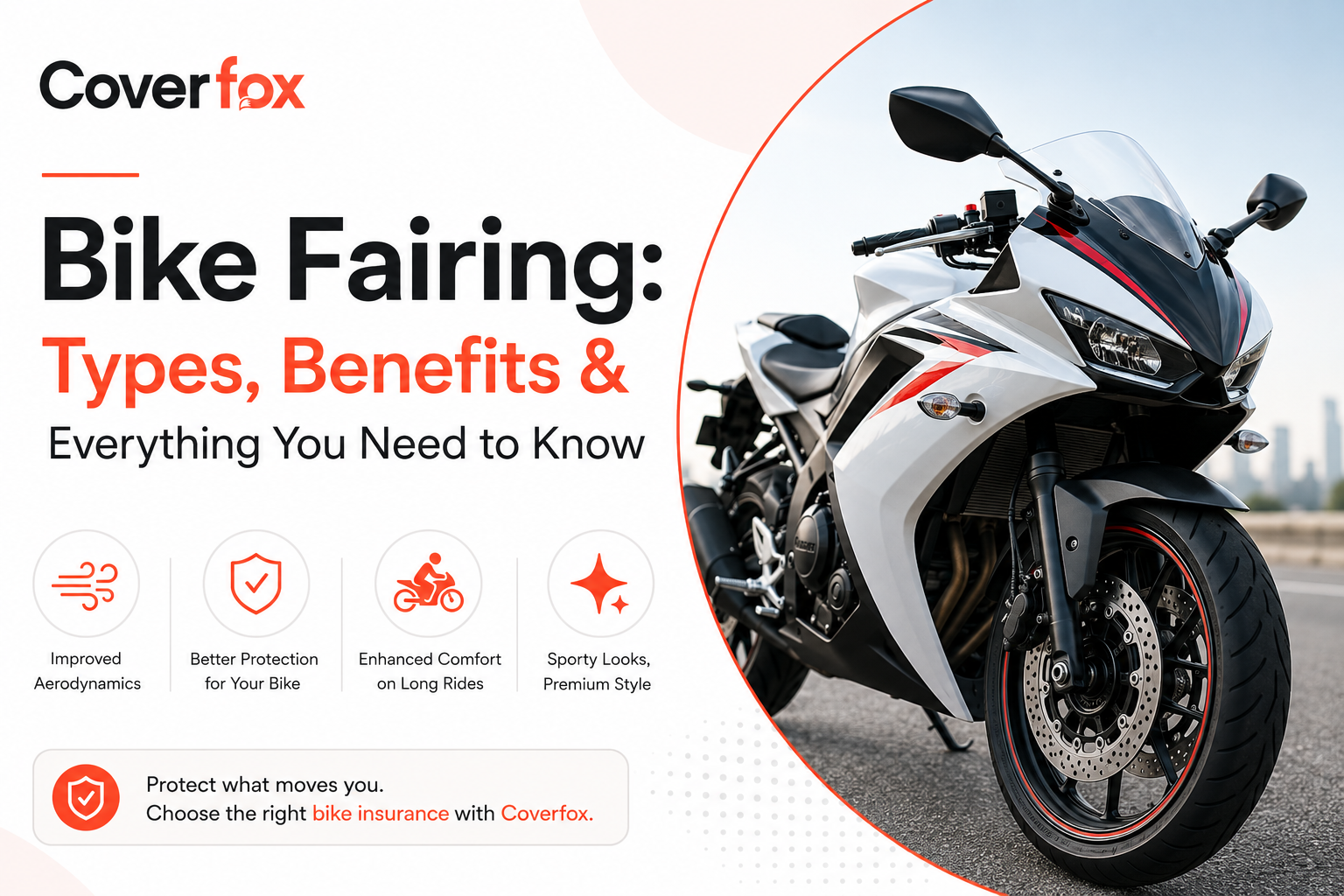
Bike fairings play a functional role beyond styling by improving airflow, protecting exposed components and making highway rides more comfortable. From full and half fairings to aftermarket installations and insurance coverage, understanding these differences helps you choose the right option for your motorcycle.
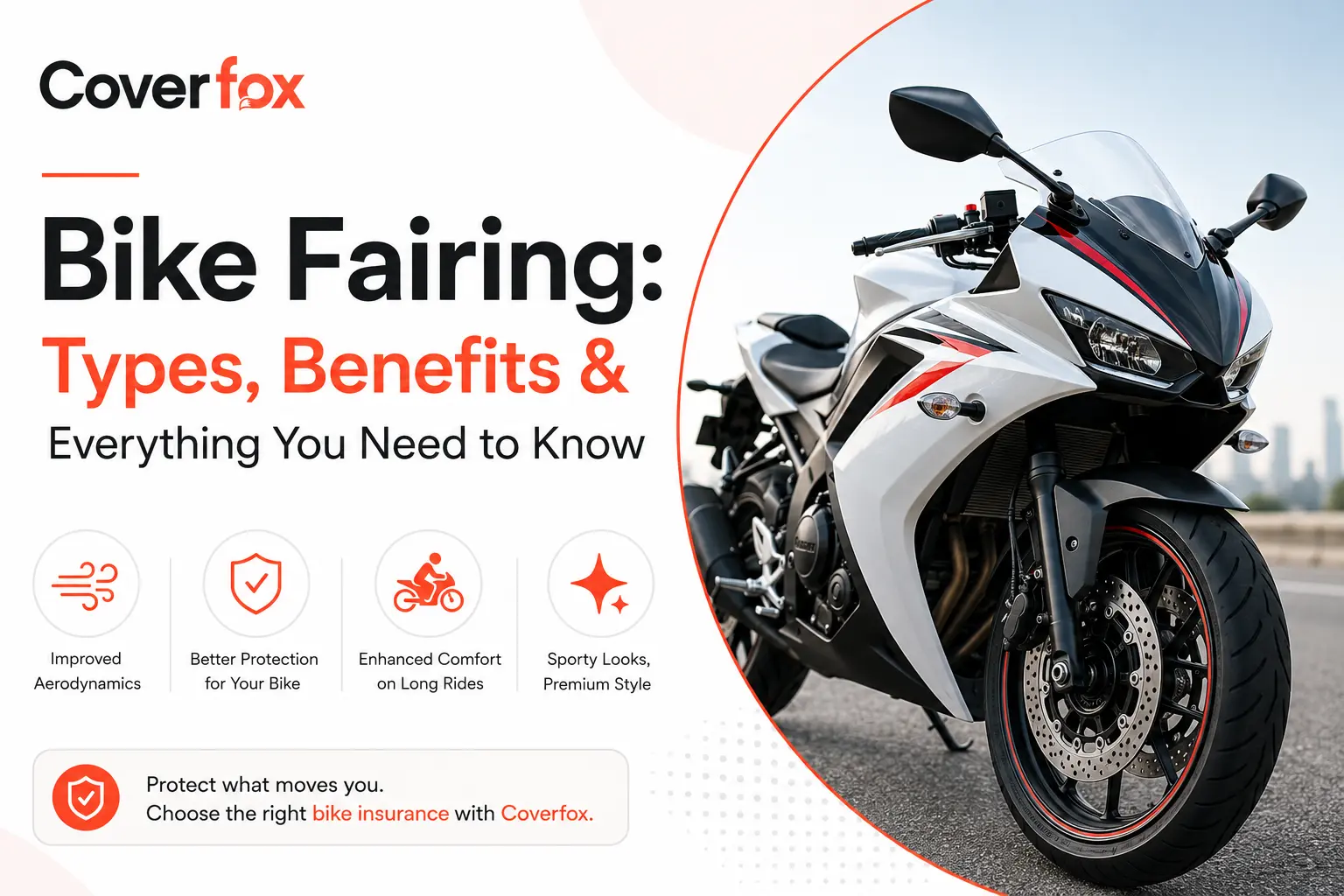
In the world of motorcycle modding and customisation, bike fairing is a well-known term. One look at any modern sports bike and one feature stands out before anything else: the sleek panels wrapped around the front and sides. Those panels aren't just there to make the motorcycle look cool. They're designed to improve airflow, shield key components and, in many cases, make long rides more comfortable for the rider.
From fully faired bikes in India to cruisers with batwing fairings, different designs serve different purposes. Understanding how bike fairings work can help you choose the right motorcycle, decide whether an aftermarket fairing is worth installing, and know how bike insurance plays a role in bike fairing.
What is a Bike Fairing?
A bike fairing is a protective outer covering fitted to the front, sides, or lower section of a motorcycle. It is made to direct air smoothly around the bike, reducing wind resistance while riding. Fairings also help protect components from dust, stones, rain and road debris. On many motorcycles, they also support the headlamp, indicators and other front-end parts while giving the bike a more modern appearance.
Not every motorcycle comes with a fairing. Sports bikes and sports tourers usually have them because they are built for higher speeds, where reducing wind resistance improves stability and rider comfort. Most commuter and naked bikes either have very small fairings or none at all, as they are intended for everyday city riding where aerodynamics matter far less. A fairing is also different from a bike's regular body panels. Body panels mainly cover mechanical parts and improve the motorcycle's appearance, whereas a bike fairing is specifically shaped to manage airflow and serve a functional purpose beyond styling.
Types of Bike Fairings
Not all fairings cover the same parts of a motorcycle. Their shape and size vary depending on the bike's purpose and the level of wind protection required.
Full Fairing
A full fairing wraps around most of the front and sides of the motorcycle, sometimes extending below the engine. It offers the best wind protection and aerodynamic performance, making it a common sight on sports bikes and superbikes.
Half Fairing
Found on many sport-touring motorcycles, a half fairing covers the upper section while leaving the engine exposed. It cuts down wind blast without adding as much weight as a full fairing.
Quarter Fairing
If you've seen a bike with a small cowl around the headlamp, it's likely a quarter fairing. It provides basic wind protection and is commonly used on entry-level sports bikes and some naked motorcycles.
Belly Pan Fairing
Unlike other fairings, this one sits underneath the engine rather than around the front. It helps shield the engine's underside from road debris and gives the motorcycle a cleaner, sportier look.
Batwing Fairing
Batwing fairings are easy to recognise by their broad shape around the handlebars. They are mostly found on touring cruisers, where reducing wind fatigue during long rides is a bigger priority than outright aerodynamics.
Tail Fairing
Located behind the rider's seat, the tail fairing completes the motorcycle's bodywork. It smooths airflow at the rear and gives sports bikes their distinctive race-inspired profile.
What Materials Are Bike Fairings Made Of?
The material used for a bike fairing affects its weight, durability, repairability and cost. Manufacturers choose different materials based on the motorcycle's purpose and price range.
ABS Plastic: The most widely used material, offering a good balance of strength, flexibility and affordability. It is commonly used on production motorcycles because it is durable and cost-effective.
Fibreglass: Lightweight and easy to repair, making it a popular choice for aftermarket fairings, custom builds and track bikes.
Carbon Fibre: Extremely light and strong, but significantly more expensive than other materials. It is typically found on premium motorcycles and high-performance racing machines.
Polypropylene: Known for its high impact resistance and flexibility, it is often used on commuter motorcycles where resistance to minor knocks and everyday wear is important.
Benefits of Bike Fairings
The benefits of bike fairings include:
Cuts through the wind more efficiently: At higher speeds, the rider feels less wind pressure because the fairing guides airflow around the motorcycle instead of letting it hit the bike head-on. This is one of the biggest reasons performance motorcycles come with full fairings.
Makes long rides less tiring: Constant wind resistance can become exhausting on highways. A fairing takes much of that force away from the rider, making long-distance journeys noticeably more comfortable.
Keeps vital parts better protected: Stones, loose gravel and road debris are less likely to strike the engine, radiator and other exposed components directly, which can help reduce minor damage over time.
Offers some protection from the weather: While it won't keep you completely dry, a fairing can deflect a fair amount of rain, dust and insects away from the rider, especially around the chest and legs.
Improves high-speed stability: By directing airflow more efficiently around the motorcycle, a fairing helps reduce wind buffeting, resulting in a more stable and controlled ride at higher speeds.
Gives the motorcycle a sportier look: Sharp lines and sculpted panels are a defining feature of many sports and touring bikes. Besides their functional role, fairings give the motorcycle a more premium and purposeful appearance.
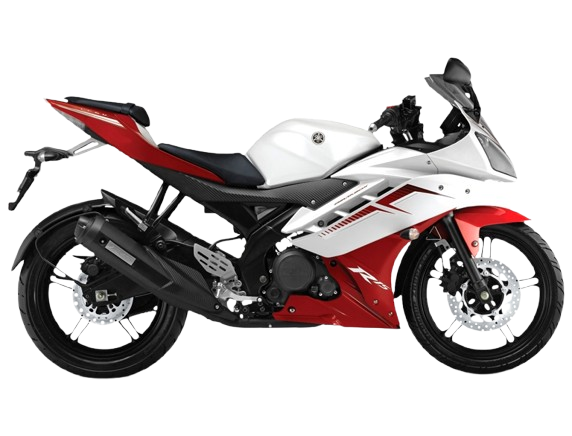
Can You Install an Aftermarket Bike Fairing?
Yes, installing an aftermarket bike fairing is legal in India, as long as it does not alter the motorcycle's structural specifications or compromise safety. In most cases, replacing or upgrading fairings with model-compatible parts does not require RTO approval because it is treated as a cosmetic modification. However, if the modification changes the motorcycle's dimensions, obstructs the headlights or number plate, or involves structural alterations to the frame, it may require approval from the registering authority under Section 52 of the Motor Vehicles Act, 1988, which regulates alterations to registered vehicles.
Does Bike Insurance Cover Fairing Damage?
Yes, bike insurance can cover fairing damage, but only if you have a comprehensive bike insurance policy. This is because a factory-fitted fairing is considered part of the motorcycle, so any accidental damage to it is treated like damage to the bike itself. However, aftermarket or customised fairings may not be covered unless declared to the insurer or covered as accessories,
Comprehensive Bike Insurance
If the bike fairing is damaged in an accident, fire, theft, riot or a natural calamity, a comprehensive policy generally covers the repair or replacement cost, subject to the policy terms, deductible and depreciation.
When Is Bike Fairing Damage Not Covered by Insurance?
Claims are not accepted if the damage is caused by normal wear and tear, poor maintenance, improper installation or modifications that are not covered under the policy.
Tips for Bike Insurance Claims for Fairings:
Take clear photos of the damaged fairing and the accident scene before starting repairs.
Inform your insurer promptly and file the claim as soon as possible after the incident.
Avoid repairing the bike before the survey, unless your insurer specifically approves it.
Keep repair bills and invoices, especially if the fairing is replaced at a non-network garage.
Declare aftermarket fairings to your insurer when buying or renewing the policy, as undeclared modifications may affect claim approval.
Faired Bikes in India
From entry-level sports motorcycles to premium superbikes, several bikes sold in India come with factory-fitted fairings. Here are some popular examples based on the type of fairing they use.
Conclusion
Whether you're buying your first sports bike or replacing a damaged fairing, understanding how different fairings work can help you choose the right setup for your riding needs. Knowing the legal and insurance aspects beforehand also helps you avoid unnecessary surprises later. Compare two wheeler insurance plans to ensure your motorcycle has the right level of protection!
Frequently Asked Questions
Are fully faired bikes better than naked bikes?
It depends on your riding needs. Fully faired bikes offer better wind protection, improved aerodynamics and added protection for engine components, making them suitable for highway rides. Naked bikes are lighter, easier to manoeuvre in traffic and generally cost less to maintain.
Can I install a full fairing on a naked bike?
Yes, you can install a full fairing on a naked bike if a compatible kit is available. However, it should not interfere with the bike's lights, number plate or structural components. For the best fit and finish, it is advisable to have the fairing installed by a professional.
Is fairing damage covered under bike insurance?
Yes, fairing damage is usually covered under a comprehensive bike insurance policy if it results from an insured event such as an accident, fire or natural calamity as per policy terms. Third-party bike insurance does not cover damage to your own motorcycle, including its fairings.
Which material is best for motorcycle fairings?
ABS plastic is considered the best choice for most riders because it offers a good balance of durability, flexibility and affordability. Carbon fibre is lighter and stronger but is significantly more expensive, while fibreglass is commonly used for aftermarket and racing applications.
Do bike fairings improve fuel efficiency?
Bike fairings may contribute to marginal improvements in fuel efficiency by reducing aerodynamic drag during sustained highway riding, but the impact varies depending on factors such as the motorcycle, riding speed, and riding conditions.
Can a damaged bike fairing be repaired?
Minor scratches and cracks can often be repaired, especially if the fairing is made of ABS plastic or fibreglass. However, fairings with extensive damage or broken mounting points are generally replaced to ensure proper fitment and structural integrity.
Are aftermarket bike fairings as good as OEM fairings?
It depends on the manufacturer and the material used. High-quality aftermarket fairings can offer a good fit and durability, but OEM (Original Equipment Manufacturer) fairings generally provide better fitment, finish and long-term reliability.