Motorcycles are made up of interconnected mechanical and electrical components that ensure smooth performance, control, and safety. Key parts such as the engine, clutch, gearbox, braking system, suspension, battery, and tyres each play a specific role in how the bike operates, working together to deliver a reliable and efficient riding experience.
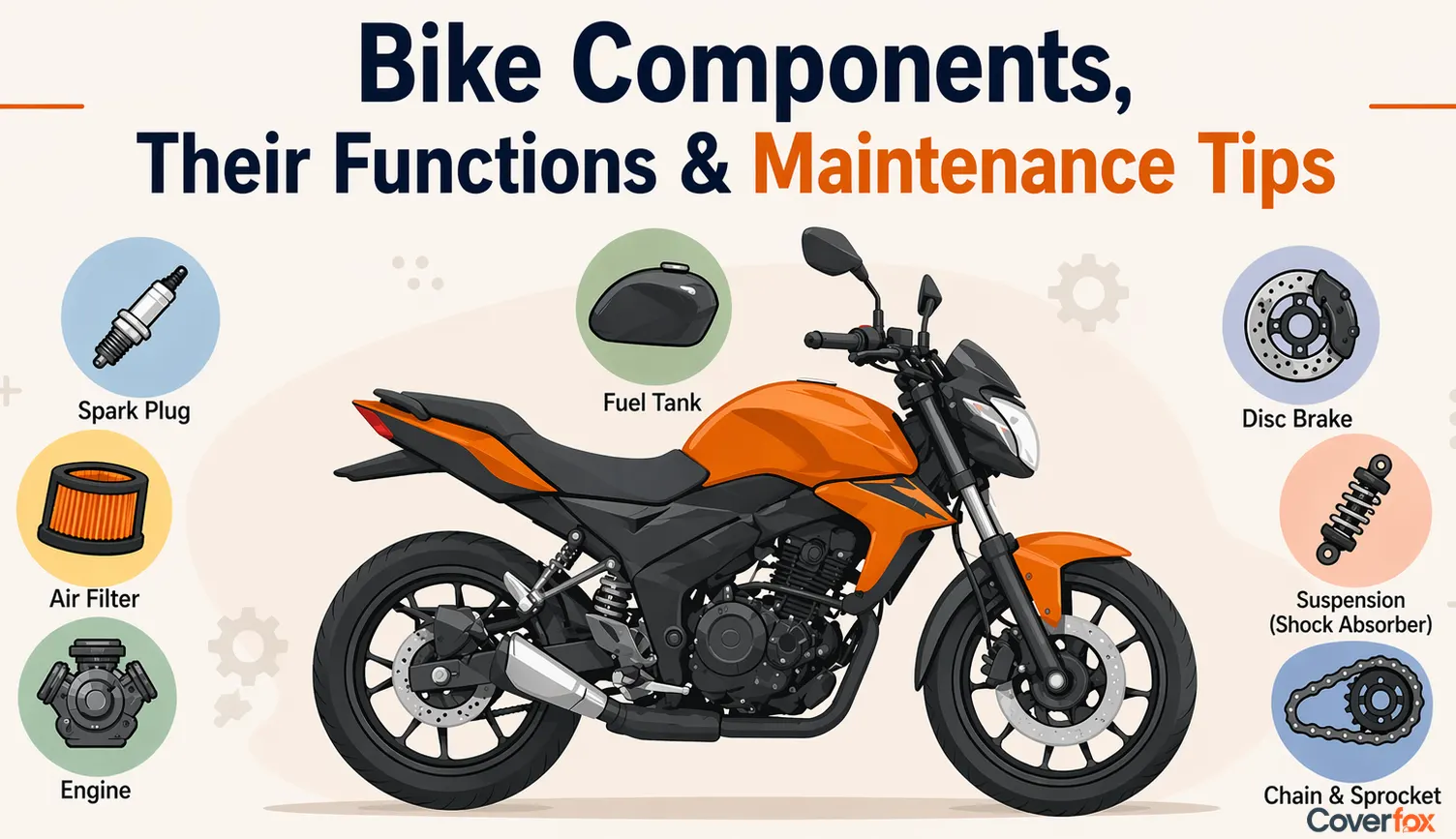
Understanding bike parts' names and functions in a structured way helps with proper bike maintenance and also helps create a safer ride experience. The Ministry of Road Transport and Highways (MoRTH) of India defines regulations and safe operating standards for all motor vehicles in India, including the components on a motor vehicle used to ensure they perform reliably and are safe on the roads. It also plays an important role in choosing the right bike insurance, as awareness of key components helps ensure adequate coverage and informed claims.
Comprehensive Two-Wheeler Component Breakdown
A complete list of parts for every motorcycle includes the main components that ensure the basic aspects of the bike's safety and performance.
Engine
Clutch and gearbox
Fuel tank
Braking system
Suspension
Wheels and tyres
Exhaust system
For smaller vehicles, a scooty parts name classification includes CVT transmission, a variator, and under-seat storage components, reflecting design differences.
Modern motorcycles may also include advanced components such as ABS (Anti-lock Braking System), traction control, and digital instrument clusters. These additions enhance rider safety, improve control, and provide real-time performance data.
Mechanical Components and Their Roles in Bikes
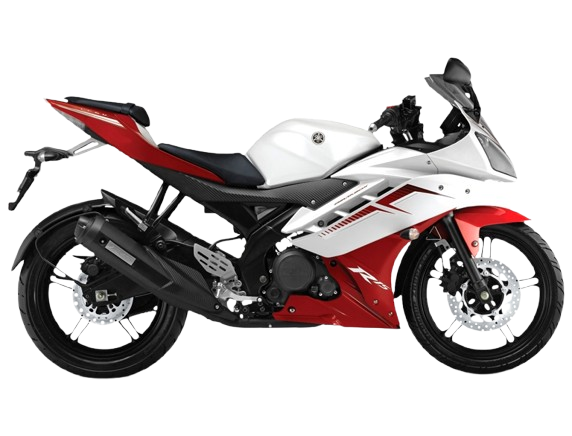
Mechanical components are used to provide motion, as well as control, for the driver:
1. Engine
Converts energy in the form of petrol into mechanical energy
2. Clutch
Regulates power transfer between engine and gearbox
3. Gearbox
Adjusts speed and torque
4. Chain/Sprocket
Transfers power to the rear wheel
5. Brakes
Enable deceleration and stopping
There has been significant industry research done by SIAM (Society of Indian Automobile Manufacturers), indicating that regular inspection and servicing of mechanical component systems minimizes breakdown occurrences and increases mechanical efficiency.
Proper lubrication and timely replacement of mechanical parts are key to preserving performance. Neglecting these can lead to reduced efficiency, overheating, or even permanent engine damage over time.
Electrical Components and Their Roles in Bikes
Electrical systems in two-wheeler motorcycles ensure ignition, visibility, and monitoring through the following components:
1. Battery
Powers electrical circuits
2. Headlamp and indicators
Improve road visibility and signalling
3. Ignition system
Initiates engine combustion
4. Wiring harness
Connects electrical components
Each of these components is an important part of the two-wheeler spare parts name list. This principle is particularly true in modern motorcycles that have sophisticated electrical systems & components.
Key Considerations When Purchasing Bike Spare Parts
Match the spare part with the vehicle model
Check that the part meets MoRTH safety standards
Make sure that the part is an original manufacturer's product & stamped appropriately.
Consider the length of warranty & long-term durability
Compare the cost to the cycle value
It is also advisable to purchase spare parts from authorised dealers or trusted service centres to ensure their authenticity. Using counterfeit or low-quality parts can compromise safety and negatively impact overall vehicle performance.
Conclusion
A clear understanding of the bike parts name list enables better maintenance decisions, ensuring compliance with Indian safety norms and extending vehicle lifespan. Regular servicing, timely part replacement, and awareness of component functions collectively contribute to a smoother and safer riding experience. This knowledge empowers riders to make informed decisions and maintain their vehicles efficiently.
Also Read:
Disclaimer: The information provided in this article is for general informational and educational purposes only. While efforts are made to ensure accuracy, readers are advised to refer to their vehicle manufacturer’s manual or consult a certified mechanic for specific guidance. This content does not constitute professional automotive or insurance advice. Insurance coverage, terms, and conditions may vary between insurers. Please review policy documents carefully before making any decisions.
Frequently Asked Questions
1. How long can a bike’s engine last?
A well-maintained engine can last between 60,000 and 100,000 kilometres, depending on usage and servicing. Regular oil changes, proper riding habits, and timely servicing can significantly extend engine life. Poor maintenance, however, can reduce its lifespan considerably.
2. What are the parts of a bike?
Standard components for spare parts for 2-wheeled vehicles include the engine, braking, suspension, electrical, and transmission components. Each part plays a crucial role in performance and safety. Understanding these components helps in better maintenance and troubleshooting.
3. Which bike part experiences wear and tear?
Brake pads, tyres, clutch plates, and chains are subject to frequent wear. These components undergo constant friction and stress during usage. Regular inspection and timely replacement are essential to maintain safety and performance.
4. What does engine braking mean?
Engine braking refers to slowing down a vehicle by reducing the throttle, allowing the engine resistance to decrease the speed without heavy brake usage. It helps reduce brake wear and improves control while riding downhill.