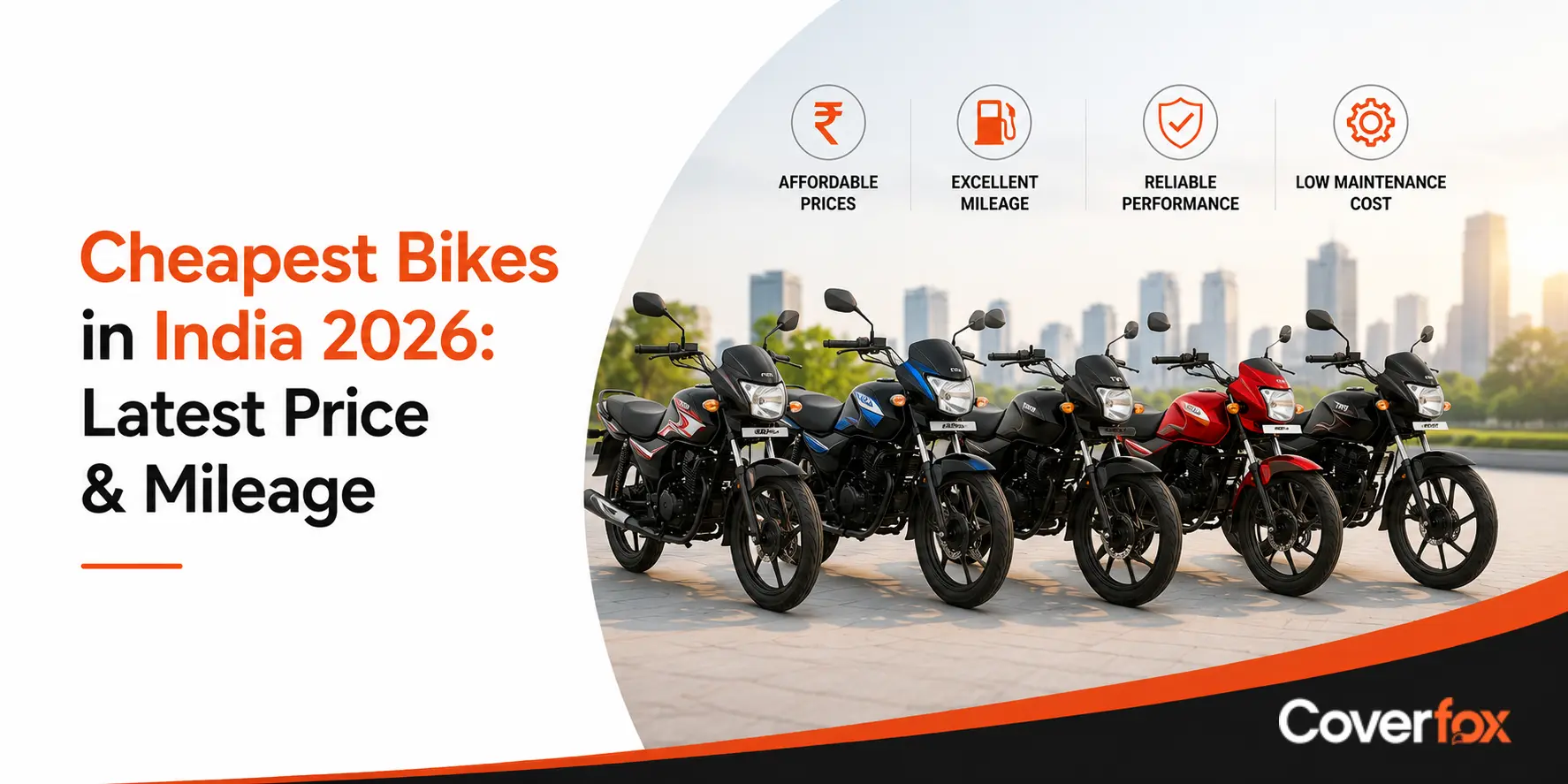
This technology is widely associated with modern commuter motorcycles, where balancing fuel economy and performance is crucial. By improving combustion quality, DTSi engines also help riders achieve smoother throttle response and consistent power output across different riding conditions.
Overview of the DTSi Engine in Bikes
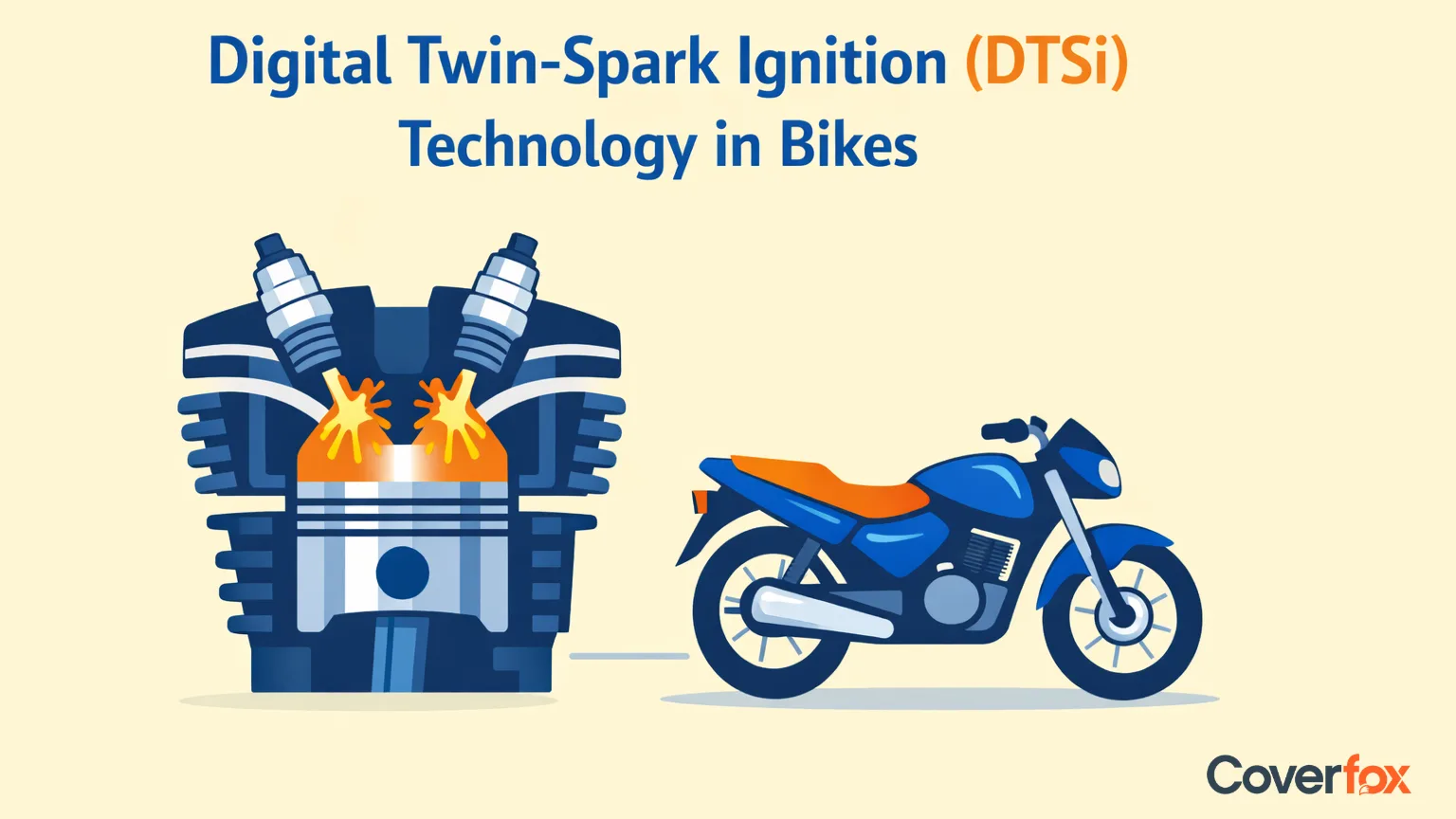
The DTSI engine uses twin spark plugs positioned within the combustion chamber. The DTSI engine system uses two spark plugs instead of one, allowing it to produce more even and rapid combustion than traditional engines. This feature also leads to greater efficiency and performance in modern engines.
In practical terms, this means quicker ignition of the air-fuel mixture, reducing delays in combustion. This results in improved pickup and reduced fuel wastage, making DTSi engines particularly effective for city riding with frequent stop-and-go traffic. And while enjoying that smooth performance, it’s equally important to stay protected on the road with the right bike insurance, ensuring peace of mind every time you ride.
Working Mechanism of Digital Twin Spark Ignition
Two spark plugs that simultaneously initiate ignition of the air-fuel mixture
ECU that uses speed and load data to adjust timing.
Flame travels faster -- more complete combustion.
Therefore, since less unburnt fuel is produced and thermal efficiency improves, advanced ignition systems offer greater fuel economy and lower emissions than conventional ignition systems, according to SIAM.
Key Characteristics of DTSi Systems
Dual spark plug configuration for efficient combustion
Digital ignition mapping for precise timing
Enhanced fuel efficiency compared to conventional engines
Reduced exhaust emissions aligned with Bharat Stage VI (BS6) norms set by the Government of India
Another defining feature is improved engine refinement, where vibrations and noise levels are reduced due to balanced combustion. This enhances overall riding comfort, especially during long journeys.
Advantages of the DTSi Engine
Higher mileage (because of the complete consumption of fuel in the cylinders).
Improved performance of the engine (leading to increased top speeds and easier acceleration).
Reductions in emissions (while still being compliant with the latest ISO emissions regulations).
Less knocking and vibration in the engine.
Additionally, DTSi engines contribute to lower maintenance requirements, as efficient combustion reduces carbon deposits inside the engine. This helps extend engine life and ensures consistent performance over time.
Conclusion
The DTSi full form is Dual Time Spark Ignition. This engine has been developed to provide maximum efficiency while still being easy to operate. The full understanding of the DTSi technology helps you to make better decisions regarding its use in new motorcycles, where the goals of performance and environmental compliance are no longer in conflict with each other.
As emission norms continue to tighten, technologies like DTSi play a key role in bridging the gap between traditional internal combustion engines and future mobility solutions. They offer a practical upgrade in efficiency without significantly increasing vehicle cost.
Also Read
What is Engine Braking in Bikes & How Does It Work?
How Does Bike Insurance Work in India
Disclaimer:
This article is intended for informational purposes only and provides a general overview of DTSi technology used in two-wheelers. It does not constitute technical, mechanical, or professional advice. Readers are advised to consult vehicle manufacturers or certified mechanics for specific guidance. Insurance-related decisions should be made after reviewing policy terms and coverage details and consulting with authorized insurance providers.
Frequently Asked Questions
Q. What is DTS used for?
DTS (Digital Twin Spark) is used to enhance combustion efficiency in petrol engines. It ensures faster and more uniform burning of the air-fuel mixture. This results in improved mileage, smoother performance, and reduced emissions.
Q. What is the difference between DTS and DTSI?
DTS refers to twin spark ignition, while DTSI includes digital control for precise ignition timing. The addition of an ECU in DTSi allows dynamic adjustment based on riding conditions.
Q. Is the DTSi engine good or bad?
It is considered efficient due to better mileage and reduced emissions. DTSi engines also offer smoother performance and lower engine knocking. Overall, they are a reliable choice for daily commuting and long-term use.