
Electric-bike maintenance is essential because e-bikes combine mechanical parts with sensitive electronics like the motor, controller, and battery, which need extra care to prevent failures and costly repairs.
Good battery practices, regular cleaning, and routine inspections help maintain range, performance, and safety while reducing wear on components.
Responsible riding habits, proper storage, and periodic professional servicing significantly extend your e-bike’s lifespan and ensure safer, more reliable daily use.
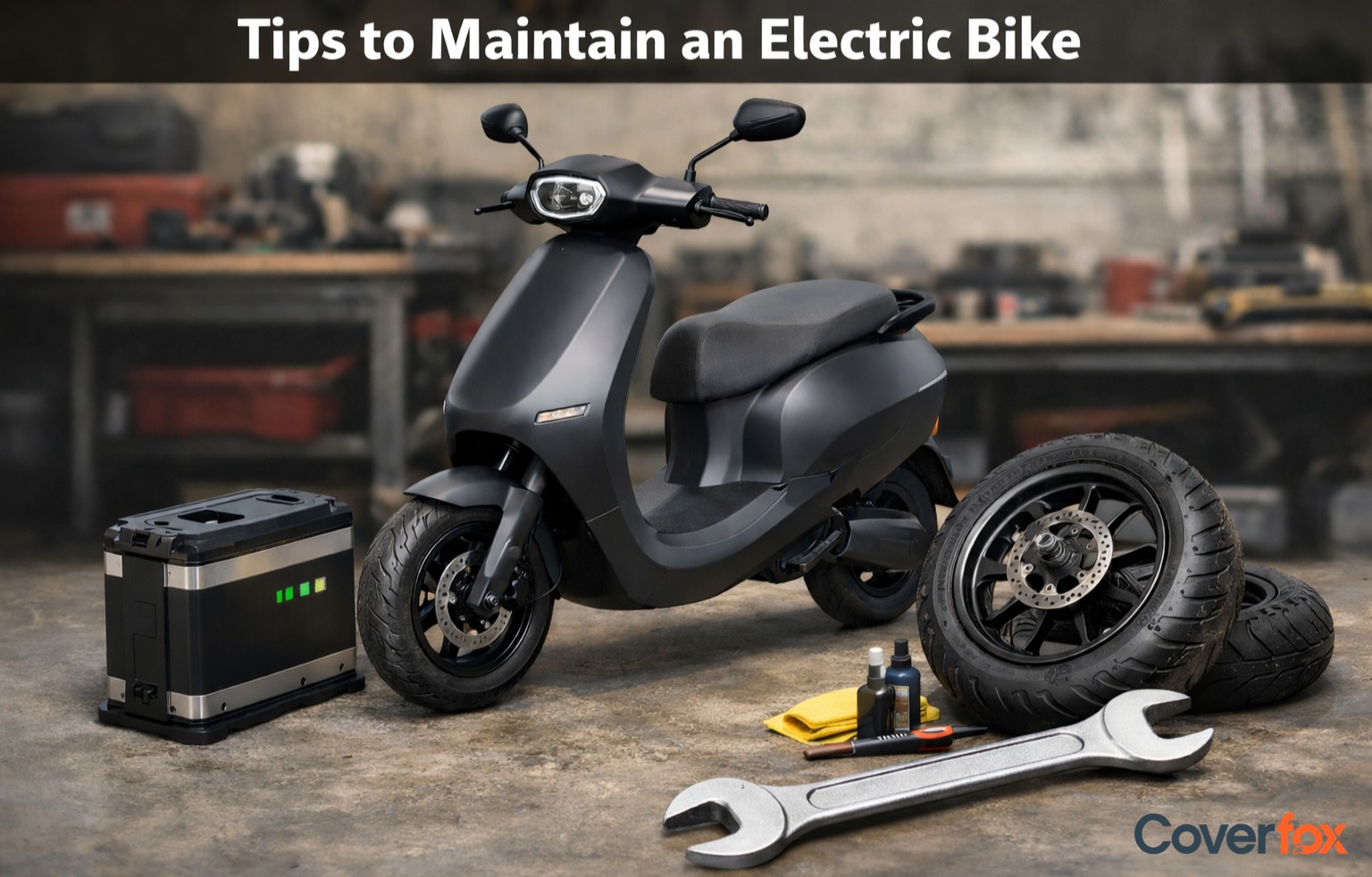
Electric bikes, or e-bikes, provide a cheaper alternative to traditional bikes using fossil fuels. But one of the downsides of them is their repair costs. E-bikes have valuable and expensive electronic parts that can wear off easily if not maintained properly.
Apart from the obvious maintenance like tyres, chains and brakes, utmost care and maintenance is required for electrical parts like the battery and wiring. This article will cover maintenance tips for your e-bikes and help you ensure your vehicle lasts longer.
Why Regular Maintenance Matters for Your E-Bike
E-bikes need more attentive maintenance than traditional bikes because they combine mechanical parts with sensitive electronic components. Unlike regular bikes, issues in an e-bike can affect both performance and electrical safety, making timely upkeep essential. Here’s why:
Sensitive electronics need protection
Neglect shortens battery life
Performance drops quickly without care
Higher repair costs later
Safety risks increase
Extends the life of both mechanical and electrical components
Batteries, motors, and controllers can get damaged by water, dust, overcharging, or rough use, reducing overall lifespan.
Poor charging habits, infrequent use, or improper storage can drastically reduce range and long-term battery health.
Loose connections, worn chains, or unaligned wheels affect acceleration, pedal-assist smoothness, and overall ride quality.
Small issues like wiring corrosion, sensor malfunction, or brake wear become expensive if ignored.
Weak brakes, worn tyres, or overheating batteries can lead to accidents or breakdowns during commutes.
Regular check-ups reduce strain on the motor and drivetrain, preventing premature wear.
Key Parts of Your E-Bike That Need Maintenance
An e-bike has both mechanical and electrical components, all of which need regular maintenance to ensure safe, smooth, and efficient riding.
Electric Bike Battery
Electric Bike Tyres
Electric Bike Brakes
Electric Bike Chain & Drivetrain
Electrical Wiring & Connectors
This is the main power source of your e-bike, for range and performance. It needs proper charging habits, clean terminals, and correct storage to prevent capacity loss and overheating.
Tyres are essential for grip, stability, and efficiency. They require routine pressure checks, inspection for cuts or wear, and timely replacement to avoid punctures and poor handling.
Brakes are critical for rider safety, especially with higher e-bike speeds. They need regular brake pad checks, alignment, and cable or hydraulic fluid maintenance to ensure strong, reliable stopping power. SAE International research highlights that brake pad wear directly increases stopping distance, affecting rider safety.
These are responsible for transmitting power from the electric motor to the rear wheel. It requires regular cleaning, proper lubrication, correct tension adjustment, and periodic wear checks to prevent jerky movement, excess noise, and premature component failure.
They form the core electrical network that connects the battery, motor, controller, throttle, display, and sensors. They need routine inspection for loose terminals, moisture ingress, corrosion, damaged insulation, or burnt connectors to avoid power loss, starting issues, short circuits, or unexpected motor cut-offs.
Best Practices for Battery Care & Charging For E-Bike
Your e-bike’s battery is its most valuable and sensitive component, and following proper care habits can significantly extend its lifespan, range, and safety.
Use only the manufacturer-approved charger to protect the battery from incorrect voltage and overheating. The U.S. Consumer Product Safety Commission (CPSC) warns that using non-certified chargers increases the risk of overheating, fire, and permanent battery damage.
Avoid letting the battery fully discharge, as complete drain outs reduce the life span of the battery.
Maintain a 20–80% charge range for daily use to minimise cell stress. Battery University explains this is ideal for lithium-ion longevity.
Allow the battery to cool after rides before plugging it in for charging.
Unplug once fully charged to prevent overcharging and heat build-up.
Keep the battery away from extreme heat or cold to avoid performance drop and degradation.
Cleaning, Lubrication, and Routine Mechanical Checks for Electric Two-Wheelers
Regular cleaning and basic upkeep are crucial for electric two-wheelers because dirt, water, and grime can affect both the moving mechanical parts and the sensitive electrical components, leading to performance loss or safety issues.
Clean regularly with mild cleaners to prevent dust and grime from damaging parts or affecting electrical connections.
Avoid high-pressure water near the battery, motor, controller, and wiring to prevent moisture intrusion.
Cover or remove sensitive electrical components before washing to reduce the risk of short circuits.
Dry the vehicle thoroughly after cleaning or rain exposure to prevent corrosion.
Lubricate the chain and key moving parts to maintain smooth performance and reduce wear.
Check brakes, tyres, and fasteners routinely to ensure safe and efficient daily riding.
Tips to Extend Your Electric Bike’s Life
Smooth and controlled riding habits go a long way in extending the lifespan of your e-bike:
Smarter Riding for Less Stress on the Motor and Battery
Protecting Your E-Bike from Overload and Environment Damage
Gentle Handling of Components for Longer Life
Smooth acceleration and controlled braking help reduce strain on the motor, battery, and braking system. Avoiding aggressive throttle inputs and minimising sudden stops keeps components cooler and prevents unnecessary wear. Using the correct assist or power mode for the terrain also ensures the motor isn’t overworked, helping maintain long-term battery health.
Riding within the recommended weight limit prevents extra stress on the suspension, motor, and battery. Extreme heat, cold, and deep water should be avoided, as they can cause damage to sensitive electrical systems. Staying clear of harsh conditions helps preserve both performance and safety.
Careful handling of the battery, connectors, and other electrical parts reduces the risk of cracks, loose contacts, or malfunction. Keeping your riding smooth and consistent, without abrupt changes in speed, further reduces wear on the drivetrain and electrical components. These simple habits collectively extend the overall life of your e-bike.
Proper Storage and Off-Use Maintenance For e-Bike
When your e-bike will be unused for an extended period, the way you store it has a major impact on the longevity of both its electrical and mechanical components. Proper storage protects the battery, reduces corrosion risks, and ensures the bike is ready to ride when you need it.
Remove the battery if possible and store it separately in a cool, dry indoor space to protect it from temperature changes and moisture.
Keep the battery at a medium charge level (around 40–60 percent) instead of fully charged or completely drained to maintain long-term health.
Top up the battery periodically (once in a month) to prevent complete discharge.
Store the bike in a shaded, dry location away from direct sunlight, rain, or high humidity to protect electronics and metal components.
Protect against rust and corrosion by wiping down metal parts, applying anti-rust spray if needed, and ensuring the bike stays dry.
When to Seek Professional Service for Your Electric Bike?
It’s best to seek professional service for your electric bike when you encounter issues that go beyond basic maintenance, such as unusual motor noise, reduced power output, battery failure, inconsistent electrical behaviour, or sudden cut-offs that may indicate internal wiring or controller problems.
Persistent mechanical issues—like worn-out brakes, suspension problems, leaking fork seals, or complex drivetrain and hub motor concerns also require trained technicians to diagnose and repair safely. If the bike shows vibration, strange sounds, or performance changes that don’t resolve with routine checks, a service centre should inspect it.
As a good habit, getting a full professional check-up once or twice a year helps detect hidden wear, electrical faults, or early-stage damage before they turn into costly or unsafe failures.
Key Takeaways
Regular maintenance is essential for keeping your e-bike safe, efficient, and long-lasting. With proper battery care, regular cleaning, routine inspections, careful storage, and responsible riding habits, you can significantly improve performance and reduce the risk of breakdowns or expensive repairs.
Consistently following these simple practices ensures smoother, safer rides every day, and pairing them with periodic professional servicing helps catch hidden issues early. Finally, having a reliable electric two wheeler insurance policy provides financial protection against accidents, damage, or unforeseen failures, completing your overall maintenance and safety strategy.
Read More Information on Electric Bikes:
Frequently Asked Questions
How much should I charge my e-bike battery for optimal lifespan?
Charge it regularly and avoid letting it drop below 20 percent. Keeping it between 20–80 percent for daily use helps maximise lifespan.
Is it okay to use a third-party charger for my e-bike battery?
No. Always use the manufacturer-approved charger to prevent overheating, incorrect voltage supply, or long-term battery damage.
How often should I clean and lubricate the chain and drivetrain?
Clean and lubricate every 2–3 weeks, or more frequently if you ride in dusty, rainy, or coastal conditions.
What tyre pressure should I maintain for an electric bike?
Follow the manufacturer’s recommended PSI listed on the tyre sidewall; maintaining proper pressure improves range, grip, and ride comfort.
Can I ride my e-bike in heavy rain or through water puddles?
Light rain is usually fine, but avoid heavy rain or deep water as it can damage electrical components and reduce safety.
How often should I take my e-bike for professional maintenance/service?
A full check-up every 6–12 months is ideal, or sooner if you notice unusual sounds, reduced performance, or electrical irregularities.


 in Bikes.webp)

