
A bike inspection is a process used by insurers to verify a motorcycle’s actual condition, document pre-existing damage, and assess risk before issuing, renewing, or settling a policy.
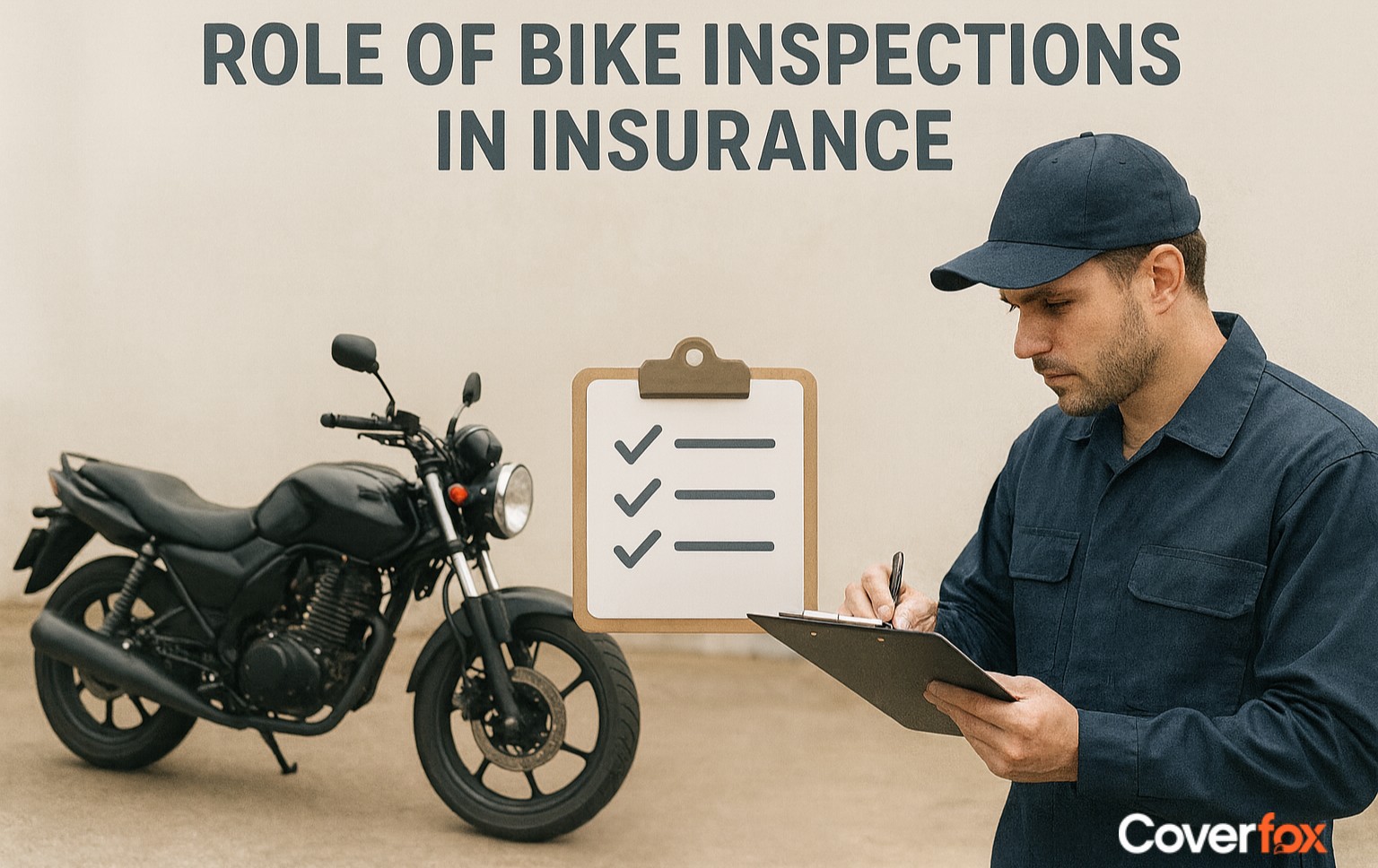
A bike inspection is a formal assessment carried out by the insurer to examine your two-wheeler’s current condition, note any pre-existing damages, and verify the details you have provided in your application or claim. It is a crucial part of the insurance lifecycle because it helps the insurer evaluate risk accurately, decide the right premium, and ensure transparent claim processing. This article outlines the purpose of inspections, their importance, and the stages where they take place.
What Is a Bike Inspection?
A bike inspection is a physical or digital examination of a motorcycle carried out by the bike insurance company to verify its overall condition, fitted accessories, and roadworthiness. It is conducted both before issuing or renewing a policy and after a claim is raised, ensuring that the insurer has an accurate record of the bike at each stage. During the inspection, the assessor checks for external damage, reviews mechanical parts, verifies the chassis and engine numbers, and notes any modifications or add-ons that may affect coverage. This process helps insurers document the exact condition of the motorcycle before providing or continuing insurance, which supports fair premium calculation and transparent claim decisions.
Most insurers follow standard inspection protocols that include capturing photos of the chassis number, engine number, tyre condition, and any visible modifications. Some insurers also follow IRDAI-approved digital inspection formats for online renewals.
When Is a Bike Inspection Required?
A bike inspection becomes necessary at several key stages in the insurance process, and insurers use it to confirm the motorcycle’s condition before approving, renewing, or settling a policy. The main situations where inspection is required include the following:
Purchasing a new policy
Insurers often conduct inspections when issuing a fresh policy, especially for used motorcycles. This helps them verify existing damages, evaluate risk, and ensure that the information provided matches the actual condition of the bike.
After filing a claim for major damages
If a motorcycle has suffered significant accidental damage, the insurer carries out a post-claim inspection to assess the extent of the loss, confirm the cause, and approve the repair estimate.
Renewal after a policy lapse
When a policy lapses beyond the grace period—typically 30 to 90 days depending on insurer rules—a fresh inspection is required. This ensures that the bike has not sustained any unreported damage during the lapse period. If the motorcycle’s ownership or registration details change, insurers may ask for an inspection to update records and confirm that the bike remains in insurable condition.
Long periods of non-use
Insurers may mandate inspection when the bike has not been ridden for 3–6 months, as components like the battery, tyres, and brakes may deteriorate.
Addition of performance-altering accessories
If the bike has been modified with accessories that affect safety or performance, the insurer may require an inspection to reassess risk and adjust the policy accordingly.
What is the Purpose of Bike Inspection?
A bike inspection helps the insurer accurately assess the motorcycle’s condition, value and any pre-existing issues before issuing, renewing or settling a policy. It creates a transparent record that prevents disputes, ensures fair premium calculation and supports accurate claim settlements.
Helps Identify Pre-Existing Damages
The assessor checks for scratches, dents, worn-out parts and missing accessories so these are documented beforehand.
Ensures Transparency Between Insurer and Policyholder
Recording the bike’s condition at the start helps avoid confusion or disagreements during future claims.
Determines the Correct Insurable Value
The inspection helps the insurer confirm the bike’s current market value and depreciation category, ensuring the IDV is neither overstated nor understated.
Prevents False or Inflated Claims
By verifying the motorcycle’s condition, insurers can differentiate between old and new damage and avoid fraudulent claims.
Supports Fair Claim Settlement
The inspection ensures that compensation is based on the actual extent of damage, making the settlement precise and justified.
Inspection Checklist: What Insurers Actually Check
During a bike inspection, insurers review the motorcycle’s condition to ensure all details are accurate before issuing or renewing a policy. This helps them assess the bike’s value, verify compliance and maintain a clear record for future claims.
| Inspection Item | What Insurers Check | How to Avoid Issues |
|---|---|---|
| Physical Body Condition | Dents, scratches, rust or structural damage on the body panels and frame. | Keep the body in good condition and repair any visible damages. |
| Tyres | Tyre wear, tread depth and their overall safety condition. | Regularly check tyre condition and replace worn-out tyres. |
| Engine | Any leaks, unusual noises and general working conditions. | Maintain the engine regularly and address any unusual sounds. |
| Brakes | Both front and rear brakes are examined for responsiveness and wear. | Ensure regular brake checks and repairs to maintain safety. |
| Lights and Indicators | All lights, indicators and electrical component functioning. | Make sure all lights and electrical components are functioning properly. |
| Fuel Tank | Any leakage, dents or signs of tampering. | Inspect the fuel tank for leaks and any damage regularly. |
| Chassis | The integrity of the chassis, any modifications or damage. | Avoid unauthorized modifications and maintain the chassis integrity. |
| Accessories | Any additional accessories like carriers, guards or modifications. | Check that accessories are properly installed and meet insurer guidelines. |
| Odometer Reading | The usage and mileage accuracy and verification. | Ensure the odometer reading is accurate and consistent with the vehicle’s condition. |
Digital Bike Inspection Process (App-Based)
A digital bike inspection is a quick, app-based method where insurers allow policyholders to complete the inspection themselves by uploading photos or videos of the motorcycle. It replaces the need for a physical visit and helps speed up approvals for renewals and minor claims.
Log in to the insurer’s mobile app
Open the official app of your insurer and select the self-inspection option.
Capture photos or videos as instructed
Take clear images or short videos of the bike’s exterior, engine number, chassis number, accessories, tyres, and any visible damage.
Upload the media files to the app
Submit the captured photos or videos directly through the app’s upload section.
AI or verification team review
The insurer’s AI tools or verification team will cross-check the files to ensure they match policy details and accurately show the bike’s condition.
Receive approval or further instructions
Once validated, the inspection is approved instantly in most cases, enabling quick policy issuance or claim processing with minimal paperwork.
Does Vehicle Inspection Impact the Bike Insurance Premium?
A vehicle inspection can influence bike insurance premiums because it reveals the actual condition, usage pattern, and risk profile of the motorcycle. A well-maintained bike with no major damage generally falls into a lower risk category, which can help keep the premium reasonable. On the other hand, visible wear and tear, older models with higher chances of breakdown, or modified parts that alter performance may be classified as higher risk, leading to increased pricing.
Inspection also allows insurers to place the bike in the correct risk segment based on its age, usage, location, and overall condition. The inspection itself does not directly reduce your premium, but maintaining the bike in good health and providing transparent and accurate information during inspection helps you receive fair and appropriate premium rates.
If the inspection reveals risky modifications such as engine remapping, non-approved exhaust systems, or structural changes, insurers may either increase the premium or exclude those parts from coverage.
Can You Buy Two-Wheeler Insurance Without Inspection?
In most cases, you cannot buy two wheeler insurance without an inspection, because insurers need to verify the bike’s current condition before activating coverage. The only clear exceptions are renewals done within the grace period or online renewals for active policies where the insurer already has recent inspection data.
If the policy has lapsed for more than 30-90 days, if you are buying a used motorcycle, or if the bike has undergone major repair work, an inspection becomes mandatory to confirm its roadworthiness and identify any existing damage. Skipping the inspection can delay policy activation and may also create complications during claim settlement if the insurer cannot verify the bike’s condition at the time of purchase.
If your previous policy is active or recently renewed online, insurers rely on existing inspection records. For mandatory third-party-only policies, some insurers may issue coverage without inspection, but comprehensive add-ons will require verification.
Circumstances Where Inspection Is Not Required
In certain situations, insurers skip the physical inspection because they already have recent, verified information about the motorcycle. When the bike’s coverage, records, and history are consistent, a fresh inspection becomes unnecessary.
Continuous Policy Renewal
If you renew the policy before it expires, insurers usually do not require a new inspection since coverage has been uninterrupted.
Consistent No-Claim Years
Bikes with a strong no-claim history are often renewed without inspection, as their past records indicate low risk and proper upkeep.
Digital Renewals with Existing Records
When renewing online through verified insurer platforms, inspections may be skipped if previous documents, photos, or inspection reports are already stored in the system.
Verified Data and History Available
If insurers already have reliable details about the bike’s condition and ownership, they rely on those records instead of conducting a new physical check.
Why is Bike Inspection Important for Claim Settlement?
A bike inspection during a claim helps the insurer understand the exact nature and extent of the damage. It ensures that the loss reported matches the incident, prevents confusion, and supports fair assessment so the settlement is accurate and justified. If major structural damage is found that wasn’t documented earlier, insurers may partially approve or reject the claim. This makes the initial inspection extremely important.
Verifies Actual Damage
Inspectors examine the affected parts to confirm that the damage aligns with the incident reported by the policyholder.
Prevents False or Inflated Claims
By checking the bike thoroughly, the assessor can separate new damage from old issues and avoid paying for unrelated repairs.
Provides an Accurate Repair Estimate
The inspection helps estimate the correct repair cost based on real findings, ensuring transparency in claim calculation.
Ensures Damage Is Incident-Specific
For cases like floods or accidents, the inspection confirms that the claim includes only the relevant damage and not pre-existing problems.
Creates a Clear Claim Record
The inspection report documents the condition of the bike after the incident, supporting smooth, fair, and dispute-free claim settlement.
Conclusion
Bike inspection is a vital step at every stage of the insurance journey because it ensures accurate premiums, valid coverage, and smooth, dispute-free claim settlements. By confirming the motorcycle’s condition at the right time, insurers can offer fair pricing and protect policyholders from complications later. Keeping your bike well-maintained and completing inspections promptly helps avoid delays or issues during renewal or claims, ensuring your coverage remains reliable whenever you need it.
A timely bike inspection protects both the insurer and the owner by ensuring fair pricing, transparent assessment, and smooth claim settlements.
Read More About Bike Insurance
Frequently Asked Questions
Is inspection mandatory for bike insurance?
Yes, inspection is mandatory in most cases, especially for new policy issuance, policy lapse renewals, used bike purchases, or after major damage. It may be skipped only when the policy is renewed within the active period and existing records are available.
How long does a bike inspection take?
A physical inspection usually takes 10 to 20 minutes, while digital self-inspection through an app can be completed in just a few minutes, depending on how quickly you upload the required photos or videos.
Can I do a bike inspection myself using an app?
Yes, many insurers offer app-based self-inspection where you can capture and upload photos or videos of your motorcycle, after which AI tools or verification teams validate your submission.
What happens if I skip the inspection process?
Skipping inspection can delay policy activation, lead to rejection during renewal, or cause claim complications if the insurer cannot verify the bike’s condition at the time of issuing the policy.
Does a bike inspection affect my insurance premium?
Indirectly, yes. The inspection itself does not reduce or increase the premium, but the bike’s condition revealed through inspection influences risk-based pricing.
Can I buy two-wheeler insurance without inspection?
Generally, no, unless you renew within the grace period or the insurer already has recent inspection records. In all other cases, especially after a lapse or for used bikes, inspection is mandatory.
Is inspection required for minor claims?
Not always. Minor cosmetic damages or small repair claims may be approved through digital self-inspection, but the insurer decides based on the severity and the policy terms.
Is there a fee for bike inspection?
In most cases, insurers conduct inspections free of cost. However, some may charge a nominal fee for repeated inspections or inspections done through third-party agencies.

 in Bikes.webp)
 in Bikes.webp)
.webp)

