While purchasing a car, we often overlook the boot space of the car. Our focus on the features and specifications of the car is so fixated, we forget other essential requirements such as the boot space.
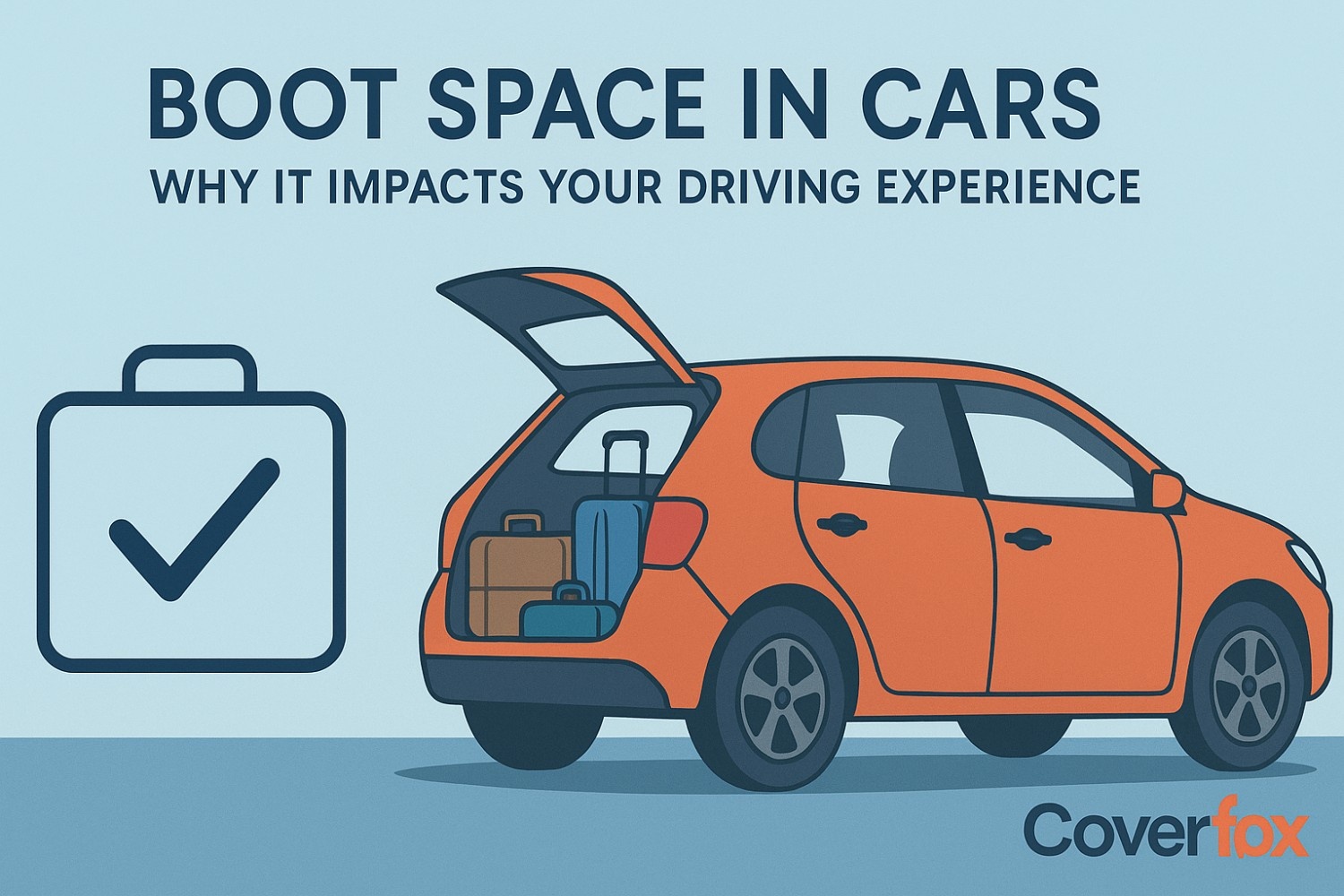
It is basically the storage area of the car – an absolute essential if you are planning for long travels or journeys. In this article, we will learn about what boot space is, and why it is one of the important features of the car that you need to evaluate before buying your prized possession.
What is Boot Space in a Car?
Boot space in a car refers to the storage capacity available in the rear compartment, commonly called the boot or trunk (hence the name). It is measured in litres and indicates how much luggage or cargo the car can hold. A larger boot space is useful for long trips, shopping, or carrying bulky items. It’s an important factor to consider when choosing a family or travel-friendly car.
The Importance of Boot Space in Daily Life
Boot space plays a vital role in making daily commutes and long journeys more convenient. A well-designed boot not only adds practicality but also improves comfort, safety, and organisation.
Family Travel Convenience
Grocery & Shopping Storage
Emergency Readiness
Sports & Hobbies Support
Keeps Cabin Organised
A spacious boot allows you to carry suitcases, strollers, and extra bags with ease. It ensures family trips are stress-free by avoiding the struggle of fitting luggage inside the cabin.
Boot space is extremely useful for storing groceries and shopping bags securely. It prevents clutter inside the car and keeps fragile items safe during the ride.
Having a roomy boot makes it easier to carry a spare tyre, first-aid kit, and basic tools. These essentials can be stored without eating into passenger comfort, keeping you prepared for unexpected situations.
For people who enjoy sports or outdoor activities, the boot offers ample room for equipment. From cricket kits to gym bags or even camping gear, everything can be stored neatly.
A separate boot helps in keeping the seating area free from unnecessary items. This not only makes the ride more comfortable but also ensures a cleaner, more organised environment.
Boot Space in Different Car Types
Boot space can look very different depending on the type of car you choose. Each body style is designed with a specific purpose in mind, which influences how much luggage it can carry and how practical it is for everyday life.
1. Hatchbacks
Hatchbacks generally have a compact boot, often between 250–350 litres. Their unique advantage is the foldable rear seats, which allow flexible storage and make them ideal for city use.
2. Sedans
Sedans typically offer 450–550 litres of boot space, with a separate trunk area. The advantage lies in their deep, secure storage that keeps luggage hidden and protected from cabin noise.
3. SUVs
SUVs boast some of the largest boot spaces, often ranging from 500–700 litres or more. Their tall design provides higher loading capacity, making them perfect for families, long trips, or bulky items.
4. Electric Cars (EVs)
EVs often have a unique edge with two storage spaces – a traditional rear boot and a front “frunk” (front trunk). This dual setup maximises space, making them more versatile than traditional cars.
5. Sports Cars
Sports cars usually have limited boot space due to their low-slung design and performance focus. Their advantage lies in small, specialised compartments that can carry essentials while maintaining sleek aerodynamics.
How is Boot Space in Car Measured?
Understanding how boot space is calculated helps you make an informed choice when comparing cars. Not all boot measurements reflect practical usage, so it’s important to distinguish between full capacity and usable space.
Full Boot Capacity
Usable Boot Space
Litres vs. Dimensions
This refers to the total volume from the floor to the roof of the boot. While it shows the maximum potential storage, it isn’t always practical for daily use, as overfilling can obstruct rear visibility or make loading awkward.
Practical boot space considers only the area up to the level of the parcel shelf or cover. This measurement is more relevant for everyday use, giving a realistic idea of how much luggage or cargo you can actually fit.
Boot space is commonly measured in litres, but knowing the actual dimensions—length, width, and height—helps you understand whether it can accommodate specific items you often carry.

Maximising Your Boot Space
Modern cars come equipped with smart features designed to make boot space more versatile, practical, and easy to use for a variety of storage needs:
- Flat-Folding Rear Seats: Fold the rear seats completely to create a flat surface for larger or irregularly shaped items.
- Split-Folding Seats: Fold a portion of the seats (like 60/40) to balance passenger seating with extra storage.
- Adjustable Parcel Shelf: Modify the shelf height to fit taller items or organise belongings efficiently.
- Underfloor Storage: Hidden compartments beneath the boot floor keep tools, emergency kits, or valuables secure.
- Power Tailgate: Open or close the boot effortlessly with a button or foot gesture, ideal when hands are full.
- Roof Racks & Expandable Storage: Carry large items like bikes, kayaks, or extra luggage without affecting interior space.
- Modular Cargo Dividers: Separate and secure items in the boot to reduce clutter and enhance organisation.
Choosing the Right Boot Space for Your Needs
This table helps in quickly comparing what boot space is ideal depending on your lifestyle and storage needs.
| Use Case | Recommended Boot Space | Reason / Advantage |
|---|---|---|
| Daily Commute & City Use | 200–350 litres | Compact boot is sufficient for groceries, office bags, and small shopping trips without making the car bulky. |
| Family Travel | 450–600 litres | A larger boot accommodates suitcases, strollers, and extra luggage comfortably for long trips. |
| Outdoor & Adventure Trips | 500 litres and above | High-capacity boots allow carrying camping gear, sports equipment, or bicycles easily. |
| Moving / Large Items | 600 litres and above | Extra-large or foldable boot space helps transport furniture, boxes, or bulky items efficiently. |
| Electric Cars / Dual Storage | 300–500 litres + frunk | EVs often offer both rear boot and front “frunk,” providing flexible storage for daily and long trips. |
Best SUVs in India with Spacious Boot Space
Here is the list of best SUVs in India with spacious boot space:
- MG Hector: 587 litres
- MG Astor: 488 litres
- Honda Elevate: 458 litres
- Mahindra Scorpio-N: 460 litres
- Tata Harrier: 445 litres
- Hyundai Creta: 433 litres
- Kia Seltos: 433 litres
- Renault Kiger: 405 litres
- Kia Sonet: 392 litres
- Mahindra XUV 300: 257 litres
Wrapping Up
Boot space is your storage unit of the car – an essential feature that shouldn’t be overlooked. The boot space should be enough and as per your needs, neither too much nor too less. More boot space will lead to added weight to the car, and also increasing the size of the car, on the other hand a low boot space car will not have enough space to carry your belongings properly to your desired locations. Similarly, opting for the right car insurance coverage will ensure optimum protection for you and your car – cover only what matters!
Also Read:
12 Best 1500cc Cars in India in 2025
Safest Cars as per Global NCAP Rating in India
CNG Car vs Petrol Car: Which to Choose?
Frequently Asked Questions
Why is it called boot space?
The term “boot” comes from the British English word for the storage compartment at the rear of a car. Boot space refers to the area available for storing luggage, groceries, or other items.
Which car has the biggest boot space?
Among popular SUVs in India, the MG Hector offers one of the largest boot spaces at 587 litres, making it ideal for family trips and long journeys.
How is boot space measured? Why is boot space measured in litres?
Boot space is measured by calculating the volume of the storage area in cubic dimensions and then converting it into litres. Litres provide a standardised and easy-to-understand metric for comparing storage capacity across cars.
Which 7-seater car has more boot space?
Large SUVs like the Toyota Fortuner, Mahindra XUV700, and MG Gloster offer generous boot space even in 7-seater configurations, especially when the third-row seats are folded.
How much boot space is enough for a family car?
For a typical family, 400–500 litres is considered sufficient to accommodate luggage, shopping bags, and daily essentials comfortably.
Can I increase the boot space in my car?
Yes, features like foldable rear seats, roof racks, and expandable storage boxes can increase usable storage. Removing parcel shelves or using underfloor compartments also helps.
What features should I look for to make the most of boot space?
Look for flat-folding or split-folding seats, adjustable parcel shelves, underfloor storage, power tailgates, and modular cargo dividers to optimise storage efficiently.
Does more boot space affect car performance?
Generally, larger boot space has minimal impact on car performance. However, adding heavy loads frequently can affect fuel efficiency, handling, and braking.