A Diesel Particulate Filter (DPF) is an element of the exhaust system that is designed to trap harmful particulate matter, mostly soot, that is created during combustion. These small particles are a major source of air pollution and lead to environmental and health hazards, which have led to stringent emission limits such as the BS-VI regulations, which require the use of DPF in new diesel vehicles.
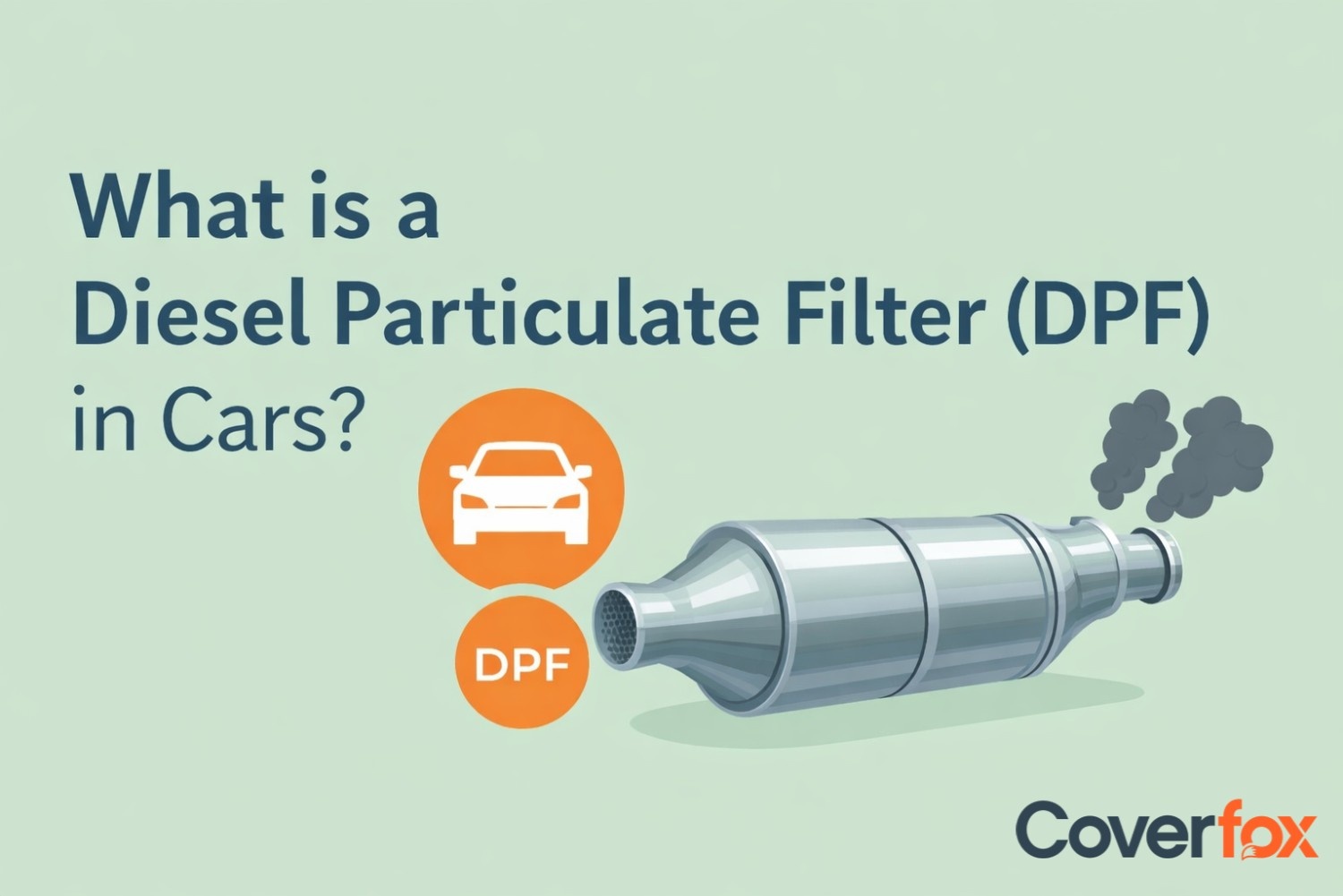
The filter captures more than 95% of particulates and regenerates every now and then using high-temperature exhaust to burn the soot collected by it to ensure compliance without producing too many emissions.
Properly operating DPF provides:
Reduction in black smoke
Lower environmental impact
Adherence to Bharat Stage VI (BS6) emission standards
Better urban air quality
Besides its environmental importance, a working DPF will help promote efficient engine operation and decrease the stress on the mechanical components in the long term.
What is a DPF in a Car & How Does it Work?
The working principle of DPF is quite simple: it captures the soot particles and keeps them in a temporary storage until they can be burnt off in a controlled process. The filter is composed of ceramic materials and porous channels in the form of a honeycomb structure. The exhaust gases are channelled where they are trapped by the channels to capture the soot as cleaner gases are released.
The entrapment of soot is slowly built up in the DPF. Because the excessive build-up inhibits the flow of exhaust, the system undergoes regeneration periodically; that is, the soot is burnt, transforming it into ash. This ash is retained within the filter, and the result should be emptied by servicing at the right time.
Also Read: BS4 vs BS6 Engine: How Engine Upgrades Improve Performance and Emissions
DPF Regeneration Explained
The process of burning off accrued soot to avoid diesel particulate filter (DPF) blockage is termed DPF regeneration. Regeneration is of three major types:
Passive Regeneration in DPF
Active Regeneration in DPF
Manual or Forced Regeneration
Passive regeneration is a natural process when there is prolonged highway driving at more than 60 km/h over a period of 20–30 minutes. Temperatures of exhausts of up to 550-650 °C allow oxidation of trapped soot without the intervention of drivers. Differential pressure across the DPF is monitored by the engine control unit (ECU); passive regeneration is activated automatically when the soot load exceeds 45-50%.
It is most efficient at temperatures over 250 °C, continuous exhaust temperature, where soot is reduced to CO₂ and water vapour. The reason why many drivers are not aware is that no dashboard messages are triggered in the normal passive cycles, as opposed to active regeneration, which needs to be under specific high-load conditions.
The engine control unit (ECU) of the vehicle starts active regeneration when the level of soot reaches some threshold. To raise exhaust temperature, the system injects more fuel to allow burning off soot. This is usually typical when vehicles are mostly used in the city, where passive regeneration is not as common.
In case the passive and active regeneration are unsuccessful because of the excessive soot, the service technicians can perform manual regeneration with the help of diagnostic equipment. This is necessary to avoid full clogging and potential damage to the filter. Adequate regeneration promotes the life of the DPF and prevents expensive replacements. This is done with diagnostic equipment at certified service centres and should not be done by non-professional users, as incorrect steps may end up destroying the DPF or engine.

DPF Maintenance Tips and Best Practices
To keep a DPF, it is important to drive regularly and service it in time. The performance of a DPF car can be maintained by the following practices:
1. Regular Highway Drives
Passive regeneration is curtailed by short and frequent trips to cities. Regularly driving long distances at consistent speeds naturally removes accumulated soot from the vehicle.
2. Using Correct Grade Diesel
Low-quality fuel with cetane ratings below 45-48 (BS-VI standard) increases soot by 20-30 due to incomplete combustion and rapid DPF clogging. Optimising combustion with the correct fuel grade—BS-VI diesel (cetane 51 or higher, EN 590 compliant)—reduces particulates by 25%. The high-quality fuel offered by credible stations increases the regeneration cycles, avoids blockages (₹15K-₹30K fix), and reduces DPF maintenance. Periodic fuel quality confirms compliance and efficiency.
3. Avoiding Excessive Idling
Idling does not generate enough exhaust heat to regenerate soot.
4. Monitoring Warning Lights
As soon as the DPF warning indicator shows, it is possible to take timely measures to avoid additional damage.
5. Scheduled Servicing
The ash of the DPF cannot be cleaned with regeneration and needs to be cleaned by professionals in the course of the periodic servicing.
Proper maintenance also helps in the general well-being of the engine and minimises the chances of costly repairs. To protect in the long run, structured car insurance plans are offered to provide the needed financial assistance in case of unforeseen component breakdown or repair requirements, as per the policy terms.
What are the Common DPF Problems?
Some issues can be caused by improper driving habits or late maintenance:
DPF Blockage
Reduced Engine Performance
Warning Light Activation
High Exhaust Temperature
Costly Replacements
The long-term use of cities results in the formation of soot and its subsequent obstruction. Regeneration or compulsory cleaning can be necessary.
A clogged DPF will limit the amount of exhaust being released, which will result in less acceleration, low mileage and high consumption of fuel.
In present-day cars, a DPF warning indicator is used to indicate when the soot concentration is beyond the normal range. There is an urgent need to take measures to avoid additional problems.
Blocked filters lead to an increase in exhaust temperatures, which can impact other engine parts.
A filter that is extremely impaired can require replacement, and this can be costly. Maintenance prevents untimely breakdown.
To Conclude
A Diesel Particulate Filter, an integral component of modern diesel cars, significantly reduces pollutants and adheres to environmental standards. Understanding what a DPF is, recognising regeneration patterns, and adopting appropriate driving habits can help ensure the longevity of the filters. Proper maintenance, including regular servicing, using the correct fuel, and responding promptly to warning lights, reduces long-term maintenance costs.
Review the car insurance policy to ensure it has the right coverage for essential aspects, promoting a balanced approach to vehicle safety, compliance, and financial security.
Also Read: NOS in Cars: Legal Guidelines, Risks, and Benefits
Frequently Asked Questions
What is DPF, and why is it in my car?
A DPF, or Diesel Particulate Filter, traps soot particles to reduce emissions and comply with environmental norms.
What is the difference between Passive and Active DPF Regeneration?
Passive regeneration occurs naturally at high speeds, while active regeneration is initiated by the ECU to raise exhaust temperature.
What should I do if the DPF light is on?
The vehicle should be driven at sustained speeds to enable regeneration, or it should be taken to a service centre if the warning persists.
What happens if the DPF is blocked?
A blocked DPF restricts exhaust flow and reduces engine performance, and it may require forced regeneration or cleaning.
Can my car run without a DPF?
Removing the DPF is illegal and may lead to penalties, failed inspections and increased emissions.
Is a DPF expensive to replace?
Yes, replacement costs are comparatively high, making preventative maintenance essential.
How long does a DPF last?
DPF lifespan varies by make/model and driving style: highway use reaches 150,000-250,000 km; city short trips are limited to 80,000-120,000 km. Premium BS-VI fuel and regular servicing extend life significantly.
How to Check if a Car Has a DPF?
It can be verified through the owner’s manual, vehicle specifications or by checking engine-bay or exhaust-system labels.
Disclaimer: The information in this article is for general awareness and educational purposes only. For model-specific guidance, always refer to your vehicle’s owner manual or consult a certified automotive technician.