The Engine Control Module (ECM) is essential for the performance and efficiency of any vehicle. Understanding the ECM in relation to automotive systems can assist in early identification of potential failure as well as help avoid costly repairs. In addition, it is an electronic component that controls many of the engine functions, including fuel injection, ignition timing, and emissions control; therefore, it is one of the main electronic components used today in modern vehicles.
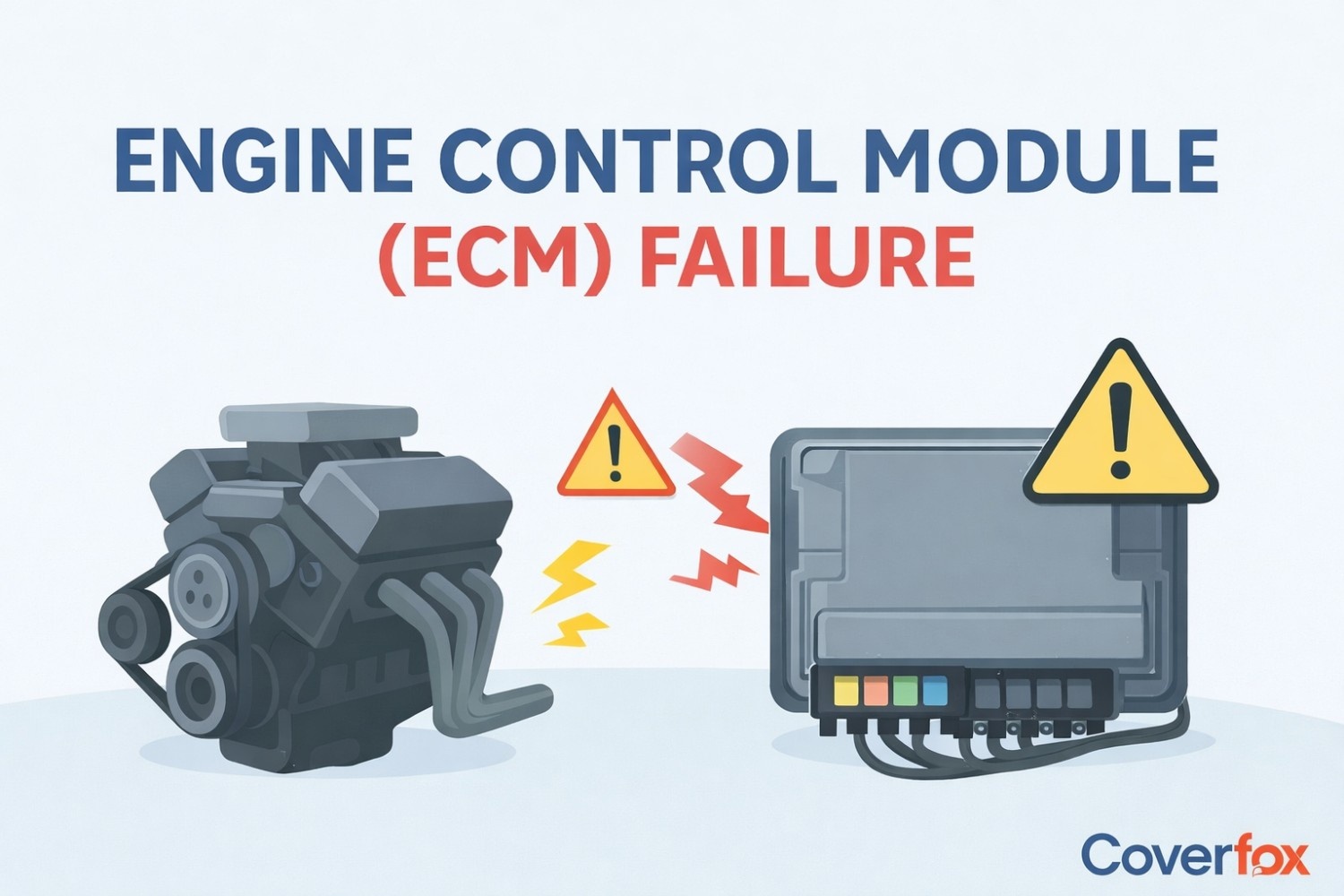
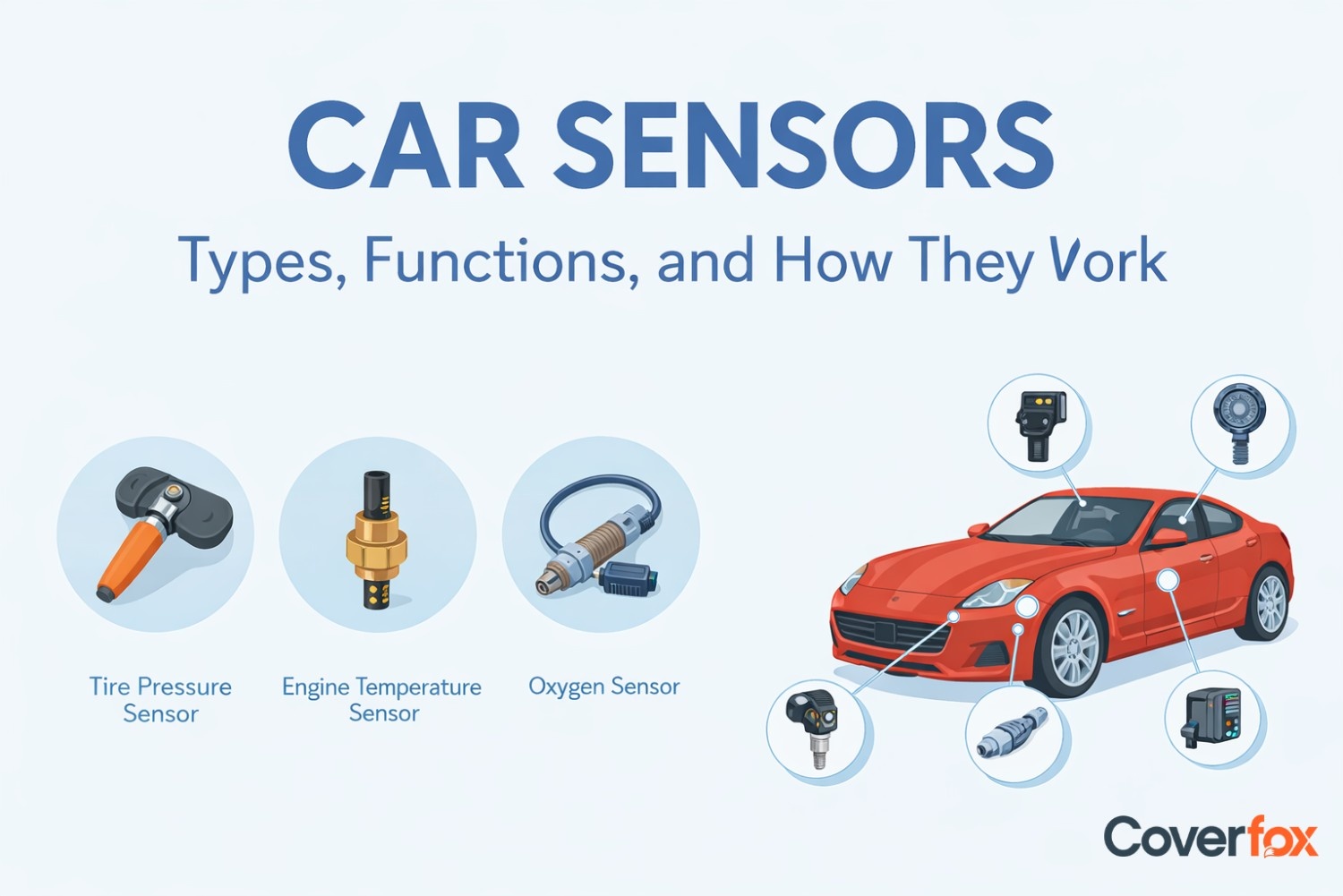
Acting as the central processing unit of the engine, the ECM continuously collects data from various sensors placed throughout the vehicle. These sensors monitor parameters such as engine temperature, air intake, exhaust gases, and throttle position, allowing the ECM to make precise adjustments that ensure optimal combustion and smooth engine performance under different operating conditions.
What is an ECM in a car, and what are its functions?
ECM full form is 'Engine Control Module', an onboard computer that is used to receive information from the sensors within its system and help to regulate the engine operation of a specific vehicle by processing the incoming information. Key functions include:
Monitoring fuel-air mixture for optimal combustion
Controlling ignition timing and engine speed
Managing emission systems to meet regulatory standards
Difference Between ECM and ECU in Cars
Understanding ECU vs. ECM is important, as the terms are often used interchangeably.
| Parameter | ECM (Engine Control Module) | ECU (Electronic Control Unit) |
|---|---|---|
| Scope | Controls engine-specific functions | Controls multiple vehicle systems |
| Application | Fuel, ignition, emissions | Brakes, transmission, and infotainment |
| Terminology | Subset of ECU | Broader electronic system |
In modern vehicles, multiple ECUs in cars operate together, with the ECM acting as a specialized unit within the system.
What are the Signs indicating ECM malfunction?
A faulty ECM may affect overall vehicle performance. Recognizing these symptoms early can reduce long-term repair costs.
Common symptoms include:
Check Engine Light remains illuminated
Engine misfires or reduced fuel efficiency
Difficulty in starting the vehicle
Unexpected stalling during operation
Poor acceleration or irregular idling
According to automotive diagnostics platforms such as ECU Repairs UK, ECM failure often results in inconsistent engine behavior due to incorrect data processing.

What are the Causes behind ECM failure?
There are several ways the ECM can malfunction:
Electrical problems such as voltage fluctuation and shorts.
Water damage due to exposure to moisture or flooding.
Corrosion caused by long-term wear on the internal circuits.
Sensor failure due to improper readings causes processing errors.
Methods for Diagnosing ECM Problems
It is imperative that an accurate diagnosis be made prior to proceeding with any repairs or replacements.
Methods for diagnosing include:
Utilizing on-board diagnostic (OBD-II) scanners and identifying fault codes.
Inspecting wiring and connectors.
Testing the voltage and signal output of the component.
Repair vs. Replacement
Vehicle owners should assess whether to repair or replace a faulty ECM depending on the severity of damage to the ECM.
Repairs could be completed when:
There is minor damage to a circuit.
There are software-related issues.
Replacement is the only option when:
There is extensive internal hardware failure.
Repair costs are nearing replacement value.
Repair costs in India will be approx. ₹5,000 - ₹20,000
Replacement costs in India will be approx. ₹20,000 - ₹1,00,000 (or more depending on vehicle type)
Insurance Coverage for ECM Components
ECM defects can usually be covered under other car insurance policies, covering only limited types of defects. Generally, a standard policy will exclude coverage for mechanical or electrical breakdowns. However, additional coverages like engine protection coverage can protect against damage caused by leaking oil or water entering the ECM or engine.
Key Takeaways
When referring to the term "ECM," it generally means "Electronic Control Module," which is the main part of a vehicle that controls the operation of the vehicle's engine and its exhaust emissions. Being able to locate and diagnose malfunctions in the ECM quickly can help you avoid future component failures. This understanding of how to maintain your vehicle based on experience with ECM will ultimately allow you to better manage the cost of maintaining and servicing your vehicle as well.
Related Articles:
Car Alternator Failure: Symptoms and How to Fix
Different Types of Car Sensors and How They Work
Traction Control System in Cars: How It Works and Why It Matters
Frequently Asked Questions
Can an ECM be repaired?
Yes, ECM repair is possible if the damage is limited to specific circuits or software issues.
Can a vehicle operate with a faulty ECM?
It is dangerous to drive a vehicle if the engine control module (ECM) is faulty. The ECM could cause your engine to fail and put you at risk of an accident or serious injury.
Can ECM issues cause starting problems?
Yes, a failing ECM may disrupt ignition timing, leading to difficulty in starting.
What action is required when the “Check Engine Light” turns on?
You will need to use an OBD-II scanner to run diagnostic tests to determine the root cause of the problem.
Can ECM failure impact transmission performance?
The ECM works with other control units in your vehicle; if the ECM fails, it may cause the transmission to perform poorly.
How can ECM failure be prevented?
Regular maintenance, avoiding water exposure, and keeping electrical systems working correctly will decrease the likelihood of ECM failure.
How is ECM failure diagnosed and repaired?
Technicians will use diagnostic equipment to test the hardware in your ECM. If they find defective parts, the technician will repair or replace them based on the severity of the damage.
Disclaimer: The information provided in this article is for general informational purposes only and should not be considered professional automotive or insurance advice. Repair and replacement costs may vary based on vehicle type, location, and service provider. Insurance coverage for ECM-related damages depends on policy terms and add-ons. Please refer to your insurer’s policy documents or consult a certified professional for accurate guidance.