Engine decarbonisation is a preventive car maintenance process that helps remove carbon deposits formed due to fuel combustion over time. By cleaning these deposits, it improves engine performance, fuel efficiency, and emission control. The process can be done using chemical, hydrogen, or manual methods depending on engine condition. When carried out at the right interval, decarbonisation helps extend engine life and ensures a smoother driving experience.
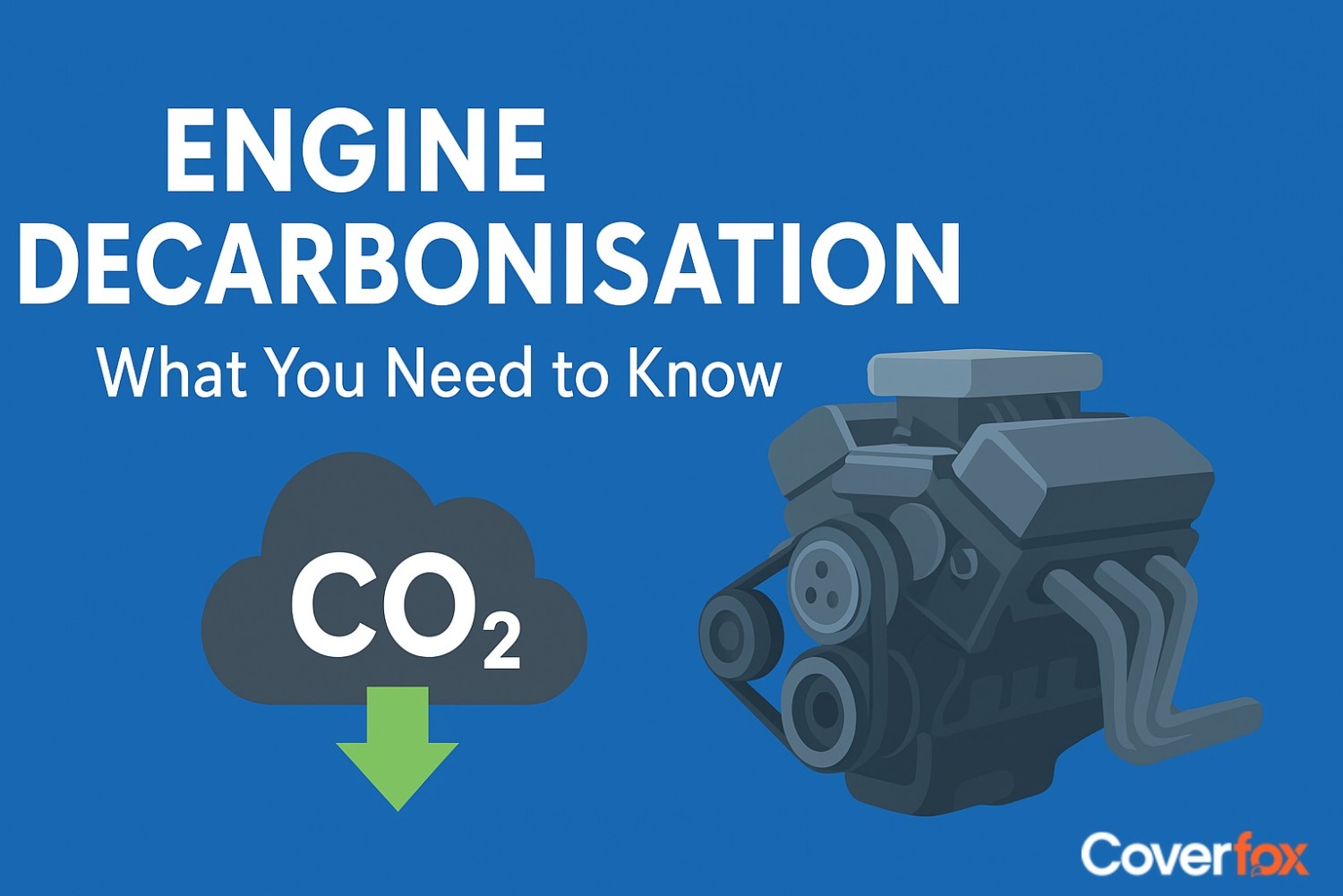
Decarbonisation is an essential maintenance step that limits harmful pollutants that are emitted while upkeeping the efficiency of the car. If done correctly, it can recollect your car’s efficiency. This guide will help you identify the need for decarbonisation for your car and how to go around it.
What is Engine Decarbonising?
Engine decarbonising is the process of cleaning carbon deposits that build up inside an engine over time due to fuel combustion. These deposits can reduce performance and fuel efficiency, so decarbonising helps the engine run smoother, improve mileage, and lower emissions. It is usually done using specialised chemicals or equipment and is recommended as part of periodic vehicle maintenance, especially for older vehicles.
Engine Decarbonization: Why is it Essential?
Engine decarbonisation is essential because it helps restore engine efficiency and prevents long-term damage caused by carbon buildup. It is essential as it:
Improves fuel efficiency by allowing better air–fuel combustion
Restores engine power and smoother acceleration
Reduces harmful exhaust emissions
Prevents knocking, misfiring, and overheating issues
Extends engine life and lowers long-term maintenance costs
Types of Car Engine Decarbonisation
Car engine decarbonisation can be done using different methods depending on the level of carbon buildup and the condition of the vehicle.
Chemical Decarbonisation
Hydrogen Decarbonisation
Manual Decarbonisation
Special cleaning chemicals are introduced into the engine or fuel system to dissolve carbon deposits from valves, injectors, and the combustion chamber.
Uses hydrogen gas passed through the air intake to burn off carbon deposits without dismantling engine parts.
Involves physically opening engine components and manually cleaning carbon buildup; usually recommended for severe deposits or older vehicles.
Signs Your Car Engine May Need Decarbonisation
If carbon deposits build up inside the engine, your car often shows early warning signs that should not be ignored. The vehicle may showcase noticeably lower fuel efficiency and reduced mileage.
Acceleration can feel sluggish, with a clear loss of engine power during overtakes or uphill drives.
The engine may produce knocking sounds or abnormal vibrations while running.
Rough idling or frequent stalling can occur, especially in traffic or at low speeds.
You may notice increased exhaust smoke or higher emission levels.
Throttle response may feel delayed even though the car is regularly serviced.
How Often Should You Decarbonise Your Car Engine?
The ideal time for engine decarbonisation depends on factors such as mileage, driving conditions, and fuel quality. In most cases, decarbonising the engine every 30,000 to 50,000 km or once every 2–3 years helps maintain performance and efficiency. A noticeable drop in fuel economy, slow acceleration, or engine misfires can also indicate carbon buildup and signal the need for decarbonisation to prevent long-term engine issues.
Things to Know Before Opting for Engine Decarbonisation
Engine decarbonisation can help improve performance, but it is not a guaranteed fix for all engine-related problems. Understanding its limitations and suitability for your vehicle is important before opting for the process.
- Engine decarbonisation does not replace regular servicing or address mechanical faults.
- The effectiveness depends on driving conditions, fuel quality, and the extent of carbon buildup.
- Newer vehicles may need it less frequently than older or city-driven cars.
- It should be performed only at authorised or trusted service centres using approved methods.

How is Engine Decarbonisation Performed?
Engine decarbonisation is carried out through a structured process that safely removes carbon deposits while protecting engine components. Although the exact steps may vary based on the method used, a typical decarbonisation process follows this sequence:
Step 1: Engine Assessment
The technician first checks the engine’s condition, performance symptoms, and error codes, if any. This assessment helps determine the extent of carbon buildup and whether decarbonisation is suitable for the vehicle.
Step 2: Vehicle Preparation
Before the procedure begins, the engine area is cleaned externally and prepared for treatment. Depending on the chosen method, certain engine parts may be accessed or temporarily disconnected.
Step 3: Decarbonisation Treatment
The selected decarbonisation method—chemical, hydrogen-based, or manual—is applied to break down and remove carbon deposits from internal engine components such as valves, injectors, and the combustion chamber.
Step 4: Final Checks and Performance Testing
After the cleaning process, all components are secured back in place. The engine is then started and tested to ensure smoother operation, improved response, and no abnormal behaviour post-decarbonisation.
Common Issues Caused by Carbon Deposits in Engines
Here are a few common issue caused by carbon build up in engines of car:
| Issue | Impact on the Engine |
|---|---|
| Reduced Fuel Efficiency | Poor air–fuel mixing increases fuel consumption |
| Loss of Engine Power | Restricted airflow reduces performance |
| Engine Knocking | Carbon hotspots cause knocking noises |
| Rough Idling | Uneven combustion leads to vibrations. |
| Increased Emissions | Incomplete combustion raises emissions. |
| Poor Throttle Response | Deposits delay acceleration response. |
| Starting Problems | Carbon buildup makes starting harder. |
Cost Considerations for Engine Decarbonisation
The cost of engine decarbonisation depends on the method used, vehicle type, and extent of carbon buildup. In India, basic chemical or hydrogen decarbonisation typically costs ₹2,000–₹8,000, while manual decarbonisation can go higher due to labour and partial engine dismantling.
Future of Engine Decarbonisation
With tighter emission regulations and a growing focus on fuel efficiency, engine decarbonisation is expected to become a regular part of vehicle maintenance. Ongoing advancements will make the process more effective, safer, and easier for vehicle owners.
Advanced Cleaning Technologies
Improved Fuel Quality
Integration with Regular Servicing
Early Detection through Diagnostics
Future decarbonisation methods are likely to be faster, more precise, and less invasive to engine components.
Better fuel formulations and additives may help reduce carbon buildup, lowering the need for frequent decarbonisation.
Service centres may include decarbonisation as a standard maintenance procedure during periodic vehicle services.
Enhanced engine diagnostics will help identify carbon-related issues early, preventing long-term engine damage.
Summing Up
Engine decarbonisation plays an important role in maintaining engine performance, fuel efficiency, and emission control, especially for vehicles used in city conditions. When done at the right time and using the correct method, it helps extend engine life and ensures smoother driving. However, it should be treated as a preventive maintenance practice and not a replacement for regular servicing. Along with proper maintenance, having a comprehensive car insurance policy adds financial protection against unexpected repairs and engine-related damages.
More Articles to Read:
What is InLine Engine: Types and Applications
Four-Stroke Engine in Cars: Components, Function, and Benefits
Understanding Turbo Engines: How They Work, Benefits, Types, and Tips
Frequently Asked Questions
Why is decarbonising my car’s engine important?
Decarbonising helps remove carbon deposits that affect engine performance, fuel efficiency, and emissions, allowing the engine to run smoother and last longer.
Can decarbonisation improve fuel efficiency?
Yes, by clearing carbon buildup that disrupts proper combustion, decarbonisation can help restore lost mileage and improve overall fuel efficiency.
Is engine decarbonisation safe for all cars?
Engine decarbonisation is generally safe when done using the right method and by trained professionals, though newer cars or well-maintained engines may need it less frequently.
How do I know if my engine needs decarbonisation?
Signs such as reduced mileage, sluggish acceleration, rough idling, engine knocking, or increased emissions often indicate carbon buildup in the engine.
Is it worth decarbonising a car with very high mileage?
Yes, high-mileage cars can benefit from decarbonisation, but the effectiveness depends on engine condition, maintenance history, and the level of carbon deposits.
Can I decarbonise my engine myself with just additives?
Fuel additives may help reduce minor deposits, but they cannot remove heavy carbon buildup and should not replace professional decarbonisation.
What happens if I don’t decarbonise my engine?
Ignoring carbon buildup can lead to poor performance, lower fuel efficiency, higher emissions, and increased wear on engine components over time.