Car paint is a multi-layer protective system that enhances appearance, prevents corrosion, and preserves vehicle value. It includes pigments, resins, and coatings applied through primer, basecoat, and clear coat stages. Different paint types and finishes offer varying durability and aesthetics. Understanding OEM vs aftermarket options and protective coatings helps ensure long-lasting performance and an optimal finish.
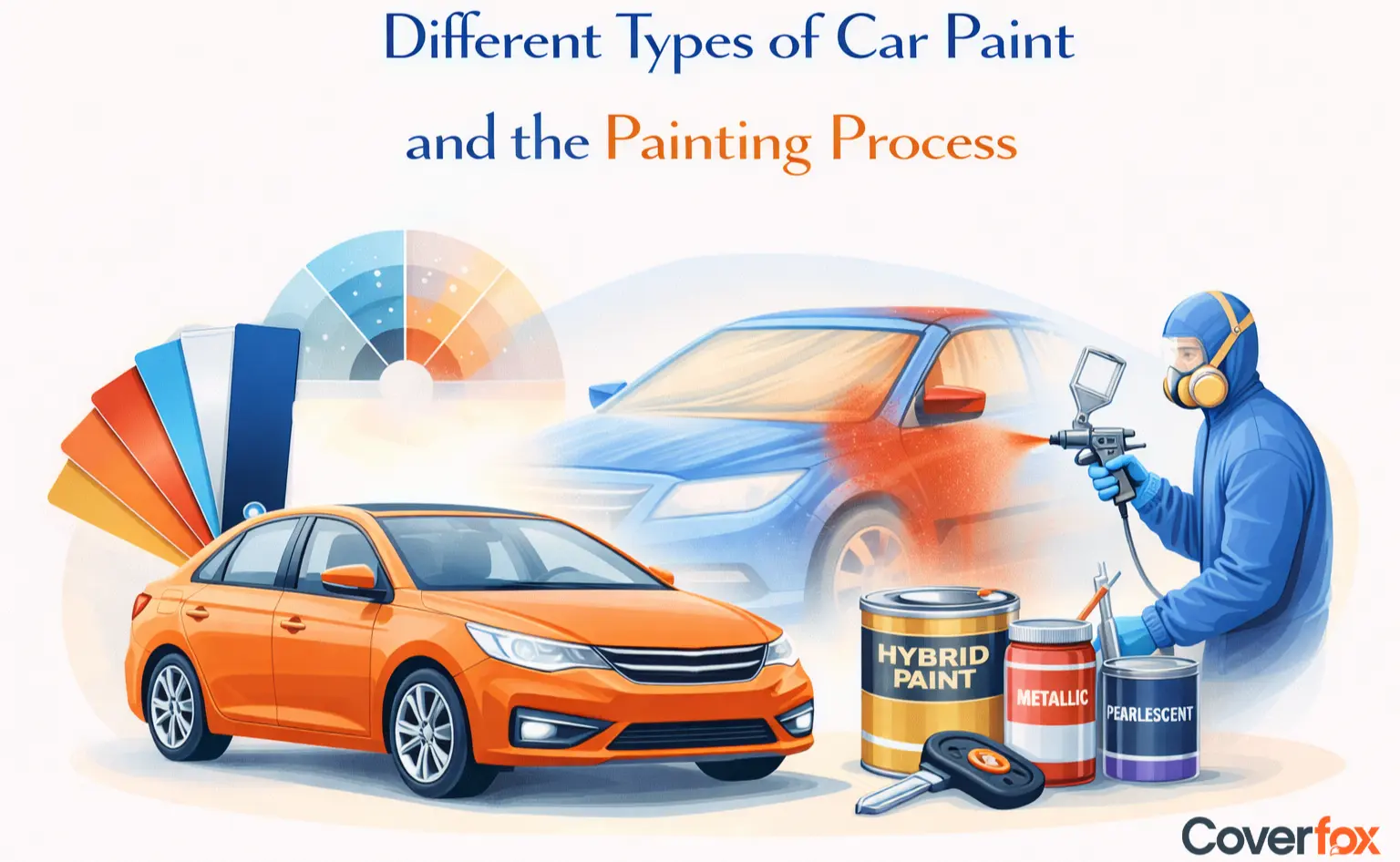
Car paint is not just about colour, it plays a vital role in protecting the vehicle’s body, enhancing its appearance, and preserving its value over time. From shielding against corrosion and environmental damage to improving overall durability, the paint system is essential. This guide explains car paint types, finishes, processes, and protective layers in detail. It also helps you understand how the right paint choice impacts maintenance and long-term performance.
What is Car Paint and What is it Made Of?
Car paint is a well-formulated mixture designed to deliver colour uniformity and long-term protection. The essential ingredients of car paint are:
Pigments are the main determinants of the colour and concealment power of the paint. Top-quality pigments are the reason for an even spread, as well as for a pigment that resists sun-bleaching.
Binders or resins unify the paint and help it adhere to the vehicle's outer surface. Apart from these, resins are also the main factor in the durability of the paint.
Solvents are agents that maintain the paint's proper viscosity during application and evaporate when the paint dries.
Additives primarily improve the properties of paint, including its UV resistance, scratch resistance, and drying efficiency.
Why is Car Paint Important?
Painting a car is an essential part of maintaining the vehicle's exterior. It has a positive impact on vehicle protection and performance in the long run. The paint on a car beautifies the vehicle and acts as a barrier that protects the car's frame from the outside elements. Common reasons for repainting are:
Protecting the body from rusting due to exposure to water or moisture and from oxidation.
Preventing damage from the sun, which will fade the paint and make the surface deteriorate.
Touching up the most common forms of wear and tear, including fading, chipping, and cracking, will be refreshed after repainting.
A well-painted car looks attractive and can be sold for a higher price.
Changing the exterior of your car according to your wishes.

What Are the Different Types of Car Paint Finishes?
A car paint finish serves a functional purpose as well as enhancing the vehicle's appearance. The most popular types of car paint finishes are:
Solid finish
Metallizer
Pearlescent
Matte finish
It is a single-colour paint that is durable and low-maintenance.
Metallic flakes are used to make the luster of the paint shine, as well as creating depth and movement visually.
This finish uses mica or other additives to create a multi-layered effect that varies in colour under different lighting conditions.
It produces a flat, dull surface (less polished and shiny), offering a slick, modern look.
Each type of finish also has its own characteristics, such as its texture and colour, how durable or repairable it is, and various others, along with their costs.
Types of Automotive Car Paint Based on Composition
The types of car paint are classified based on their chemical composition and performance characteristics. Each type serves a specific purpose depending on durability, ease of application, and finish quality.
Acrylic Paint
Enamel Paint
Polyurethane Paint
Water-Based Paint
It dries quickly and is easy to apply, making it suitable for quick repairs. However, it offers limited durability compared to modern systems.
It forms a hard and glossy surface once cured. It provides better protection than acrylic but requires longer drying times.
It is widely used in modern vehicles due to its exceptional durability. It effectively resists UV rays, chemicals, and environmental damage.
It reduces harmful emissions and offers excellent colour accuracy. They are environmentally friendly but typically require professional application conditions.
OEM vs. Aftermarket Paints
Choosing between OEM and aftermarket paint is a critical decision that affects appearance, durability, and cost. Both options serve different purposes depending on restoration goals and budget considerations.
| Risk Type | Metro / Urban Areas | Rural Areas |
|---|---|---|
| Theft | Extremely high; cities such as Delhi record over 1 lakh vehicle theft cases annually, making them major hotspots. | Lower theft risk due to lower vehicle density and stronger community surveillance. |
| Pollution | Severe exposure; riders in major cities face PM2.5 levels 4–5× higher than WHO safe limits. | Pollution exposure is significantly lower. |
| Accident Frequency | Very high due to dense traffic, signal intersections, and frequent stop-and-go riding. | Lower accident frequency because of lighter traffic movement. |
| Maintenance | Higher due to frequent braking, clutch usage, and idling in traffic. | Lower because of steady riding speeds and less congestion. |
Car Paint Layers and Protective Coatings Explained
A complete protective coating for cars relies on multiple layers to ensure durability. These layers include:
Primer improves adhesion and corrosion resistance.
The basecoat is responsible for colour and appearance.
A clear coat protects cars from UV rays and minor scratches.
Advanced services like ceramic coatings further enhance the durability and gloss of car paint.
Step-by-Step Car Painting Process
A professional car painting process includes:
Cleaning, sanding, and removing rust give the vehicle a clean surface free of impurities, surface oil, and old paint film, revealing the panel surface.
Applying a primer ensures adhesion and a smooth finished surface whilst increasing corrosion resistance and promoting the adhesion of the coat.
Applying a basecoat ensures visual colour consistency on a smooth surface.
Applying a clear coat guarantees the finish's durability, acting as a shield against UV rays, scratches, dirt, and other environmental factors.
Curing, polishing, and final inspection ensure that the basecoat is dry enough for the topcoat to be applied with the required gloss and level.
Points to Consider While Choosing Car Paint
People are personal in every choice they make. The choices for car paint also influence the interior's aesthetics and how it is maintained, thereby affecting the final result. Before deciding on a paint finish, there are several technical and environmental factors to consider.
Types of climatic conditions the car will be exposed to, such as high and low temperatures, humidity, and the ozone layer.
Colour and finish options, the aesthetic appeal of the finish, and the long-term maintenance effort involved.
Level of finish maintenance required, as well as the types of maintenance.
Repaint, budget, purpose of the process, original colours, need for restoration and repairs.
Considering these points helps us choose the best aesthetic and ecologically sustainable paint finish.
Conclusion
Cars are valuable investments, and understanding the types of car paint, finishes, and painting processes helps in making informed choices for durability, appearance, and long-term value. From paint chemistry to protective coatings, every layer matters. Additionally, having the right car insurance ensures coverage against accidental damage, helping manage repair or repainting costs and protecting your vehicle investment.
Also Read:
Disclaimer: The information provided in this article is for educational and informational purposes only. Car painting methods, coatings, and repair processes may vary depending on the vehicle manufacturer, paint technology, and professional workshop practices. Readers are advised to consult authorized service centres or professional automotive technicians before undertaking repainting or coating procedures.
* Savings are based on the maximum discount provided on own damage premium as offered by our car insurer partners.
Frequently Asked Questions on Car Paints
What are the steps to repaint a car by yourself?
Refinishing a car requires high-quality surface preparation. It includes a primer, a base coat, a clear coat, a colour to match the rest of the car, and a cure time.
What are the different automotive coatings?
The different automotive coatings are: solid, metallic, pearlescent, and matte. Every finish has a different look and a different level of difficulty for repair and maintenance.
What should be kept in mind while getting a new car paint?
Before getting a new car painted, check its durability, finish, and maintenance.
How to buy car paint?
Car paints can be bought from authorized sellers or trusted suppliers. Get the paint after verifying the paint code, the chemical composition, and its quality.
What is the difference between a primer, basecoat, and clear coat?
Primer provides adhesion and corrosion resistance, the basecoat gives colour and appearance, and the clear coat protects the paint from UV rays, scratches, and environmental damage. Together, they form a durable multi-layer system.
Does car insurance cover paint damage?
Yes, comprehensive car insurance often covers accidental paint damage caused by collisions, vandalism, or natural events. Coverage depends on your policy terms, so always check if repainting or scratch repairs are included.