A car facelift is a mid-cycle refresh that updates a model’s styling, interior, and sometimes minor engineering or safety features. It helps manufacturers keep a model competitive without a full redesign and usually arrives 3–4 years after launch. Facelifts can affect pricing, resale value, repair costs, and even car insurance considerations, making them important for buyers to understand.
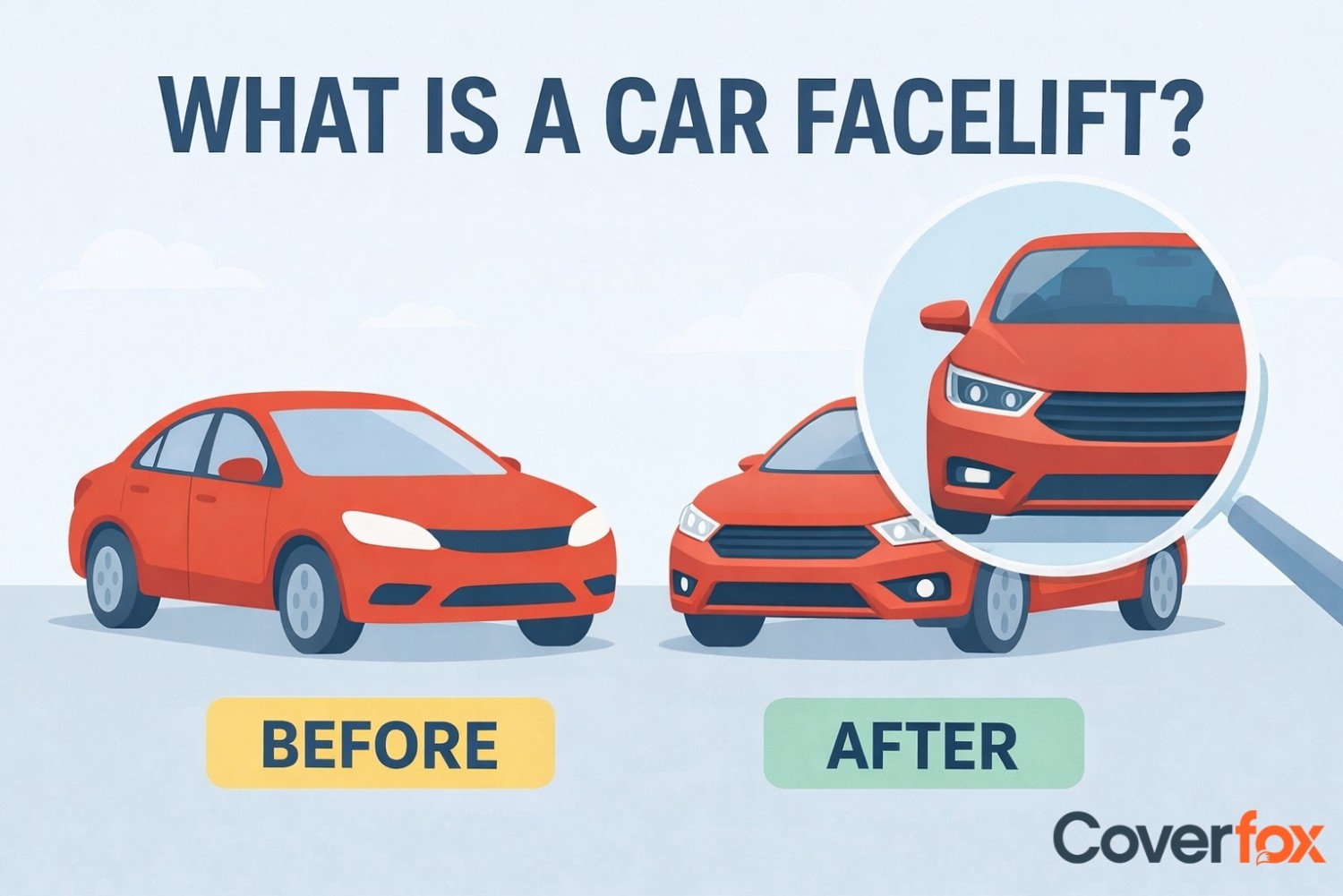
Car tech and features change fast. Yet a full new model takes years. So brands often refresh an existing model midway. That refresh is called a facelift. People often wonder about facelift updates because the term sounds cosmetic. It mostly is, but not always. A facelift car usually brings updated styling, new cabin touches, and sometimes small tech or safety changes. If you are asking, “What is a facelift car?” and whether it matters to your buying choice, this guide keeps it simple and complete. Read on to find out how it can affect resale value, parts cost, and even the way you shortlist car insurance plans.
Why Do Car Brands Opt for a Facelift?
A facelift is a strategic move. It lets a car stay relevant without the time and cost of building a brand-new model from scratch. Most brands use it as a mid-cycle refresh, so the car still feels current in showrooms and on the road.
Brands usually do it because:
They want the design to match newer styling trends
They spot small issues from early buyers and want to tighten them up
They need to add features that competing cars already include
They want to lift interest when bookings start to slow
They want the model to look closer to the brand’s latest lineup
Put simply, a facelift in a car stretches the life of a model. It keeps attention high while the next full generation is still under development.
When a Car Facelift Usually Arrives?
Most brands plan a facelift in the middle of a generation run. It is like a mid-term refresh.
You usually see a facelift:
- Around 3 to 4 years after the model launch
- When the market shifts or rivals launch newer options
- When the brand wants to improve perceived value without a full redesign
This timing varies by segment. High-volume cars may get updates more often because competition stays intense.

Which Exterior Updates You Commonly See in a Facelift?
This is where the change looks obvious. A facelift car often feels “newer” because the visible parts change first.
Typical changes include:
New front bumper design and grille pattern
Updated headlamps, often LED with new signatures
Revised tail lamps and rear bumper
Fresh alloy wheel designs
New paint shades or trim finishes
Small body tweaks for a sharper stance
Sometimes it is subtle. Sometimes it is clear from across the road. Either way, the goal stays the same: make the car look newer without changing the core body shell.
Engineering Changes in Facelifted Cars
People assume that facelifts in cars are only cosmetic. That is not fully true. Many brands slip in small mechanical and system improvements.
Engineering updates may include:
- Better suspension tuning for ride comfort
- Minor engine mapping changes for a smoother drive
- Updated transmission logic in automatic models
- Added safety tech like sensors or camera upgrades
- Better insulation materials to reduce cabin noise
- Improved infotainment hardware for faster response
These changes are not always dramatic. Still, they can fix everyday irritations.
Facelift vs Upgrade: What’s the Real Difference?
A facelift car is a planned mid-cycle refresh by the manufacturer. An upgrade can mean many things, including new features added to a variant or a new trim level.
Here is a simple view:
| Item | Facelift | Upgrade |
|---|---|---|
| What does it mean? | Mid-cycle refresh to an existing model | Feature or variant change, often smaller |
| What changes? | Styling + some features, sometimes small engineering tweaks | Usually, features, trims, and packaging |
| Timing | Often after 3–4 years | Can happen anytime |
| How does it feel? | The car looks newer and more “current.” | The car feels better equipped |
This table helps because many buyers mix the two. The facelift's meaning in the car context stays bigger than a normal feature addition.
How Much Extra Do Facelifted Cars Usually Cost?
A facelift version often costs more than the earlier model, but the jump is not always large. The final price depends on how many parts changed and how the brand wants to place the updated car in the market.
What usually pushes the price up:
New headlamps or tail lamps, plus updated bumpers and trim
Extra safety items, because sensors and cameras add cost fast
Bigger screens or a newer infotainment unit with better hardware
New variants and feature packs that move buyers into higher trims
When you compare prices, match the same trim level and the same gearbox. If you compare a base pre-facelift to a top facelift trim, the difference will look bigger than it really is.
Also, think about repairs. Updated lamps and fresh bumper designs can cost more to replace. That matters when you review car insurance plans, mainly if you want stronger own-damage cover.
Key Takeaways
A facelift can be a smart pick if you want a newer look, a better cabin feel, and updated features without waiting for a full new generation. It can also support resale appeal, since many buyers prefer the latest design cues. Still, compare variants with care. Check what changed outside, what improved inside, and whether parts like lamps or bumpers cost more to replace. Then match the car to your real use: city routes, highway runs, and parking risk.
Articles to Read:
Car Trunk vs Car Boot: Differences, Uses, and Care
Handbrake in a Car: What Is It and How to Use It Effectively
Complete Guide to the Camshaft in Automobiles
Frequently Asked Questions about Car Facelift
What is the difference between a facelift and an upgrade?
A facelift is a planned mid-life refresh from the car brand. It usually changes the look and may add a few features or small mechanical updates. An upgrade is narrower. It often means a new feature pack, a new variant, or extra equipment on an existing trim.
Can you facelift a car yourself?
You can copy some facelift styling with aftermarket bumpers, lights, wheels, or trims. Still, it rarely matches the factory fit and finish. Wiring, panel gaps, and water sealing can become issues. Warranty terms and insurance records may also get complicated.
How often do cars get a facelift?
Most models get one facelift during a generation, commonly around year three or four. In crowded segments, brands may refresh sooner or add features more often. A full generation change takes more time than a facelift.
Is it good to facelift a car?
It can be a beneficial choice if you want a newer look and updated cabin features. It may also help resale interest. Yet you should check repair costs, because new headlamps, bumpers, or sensors can raise replacement bills.
What are the benefits of buying a facelifted car?
You often get sharper styling, improved cabin design, and better feature value. Some facelifts also bring smoother tuning, better noise control, or added safety tech. Many buyers like the fact that the car feels current in the market.
Is facelifting a car legal?
Most cosmetic changes stay legal if they follow local rules and do not affect safety. Illegal lights, unsafe body kits, and very dark tints can create trouble. If you change major parts, tell your insurer so coverage stays clear.
Disclaimer: This article is for general informational purposes only. Specifications, features, prices, and regulations related to car facelifts may vary by brand, model, variant, location, and time. Always verify details with the manufacturer, authorised dealer, or insurer before making a purchase, modification, or insurance decision.