A car clutch connects and disconnects the engine and gearbox, enabling smooth gear changes and efficient power transfer. It comes in different types with key components like the clutch disc, pressure plate, and release bearing. Proper use and care improve driving comfort, extend lifespan, and protect the transmission.
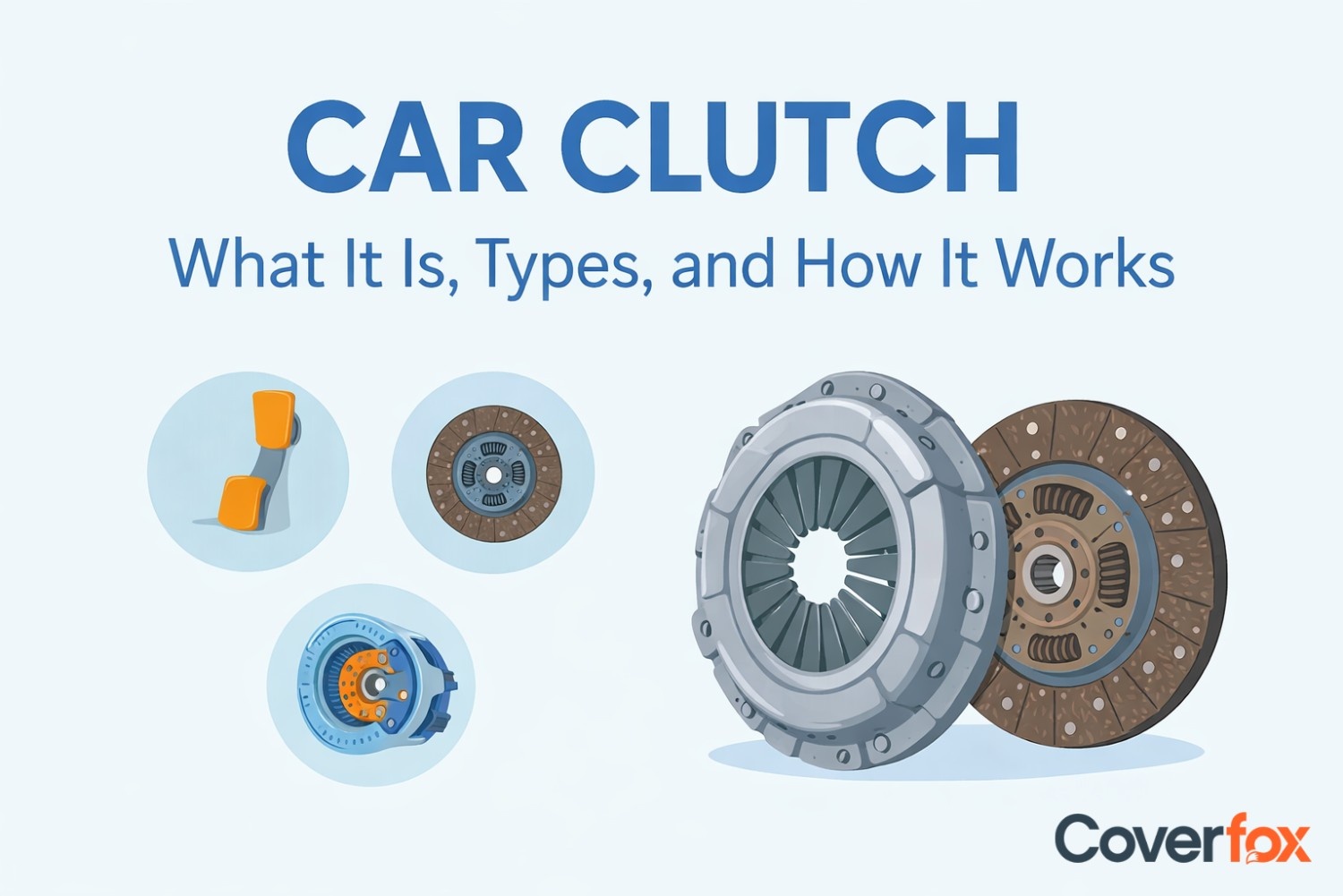
Many people drive for years yet still feel unsure about the clutch car setup. You may know when to press it, but the “why” stays unclear. That is normal. The clutch sits between the engine and the wheels, so it decides when power moves and when it pauses. This guide explains the function of car clutch parts, the different types, and how to care for them to last longer.
What Does a Car Transmission Really Do?
A transmission changes the car’s gear ratio so the engine can work in a safe and efficient range. When you shift gears, the car must briefly stop sending engine power to the gearbox. That pause prevents harsh grinding and protects parts.
In simple words, the transmission changes gears, and the clutch helps those changes happen smoothly.
Understanding a Car Clutch
A clutch is a link and a separator. It links the engine to the gearbox when you want power. It separates them when you need to change gears or stop without shutting the engine off.
When your foot stays off the pedal, the clutch stays engaged, and power moves to the wheels. The clutch disengages, and the acceleration pauses when you press the pedal.
How to Use a Car Clutch?
Using the clutch well protects the car and also keeps driving smooth. Many clutch issues come from habits, not defective parts.
Basic steps (manual car):
Press the clutch fully before shifting gears
Shift the gear with a steady hand, no force
Release the clutch slowly until the car starts to pull
Add light throttle after the bite point, not before
Common driving situations:
In traffic: keep some space and move in short rolls, not clutch half-press crawling.
On slopes: use the handbrake to hold the car, not the clutch.
While turning: avoid holding the clutch down unless you must shift.

What are the Functions of a Car Clutch in Daily Driving?
The operation of a clutch becomes clear when you watch what it prevents. It stops shock load, protects gears, and helps the engine stay running when the car stops. The process that comes into action:
Lets you change gears without a gear clash
Helps the car start moving from a standstill
Let the engine run while the car stops
Reduces the sudden load on the gearbox parts
Also, the use of a clutch in car control matters in slow movement, hill starts, and tight parking.
Different Types of Clutches Used in Cars
Below table helps you spot the most common types of clutch you may hear in service notes.
| Types of clutch | Where it is used | What it is known for |
|---|---|---|
| Single-plate clutch | Most manual cars | Simple build and steady feel |
| Multi-plate clutch | Performance cars, bikes | More grip in a compact space |
| Diaphragm clutch | Many modern cars | Lighter pedal effort |
| Centrifugal clutch | Scooters, small engines | Engages with engine speed |
| Hydraulic clutch system | Many newer cars | Smoother pedal action, less cable wear |
Important Parts Inside a Car Clutch
A clutch system looks simple from the pedal, yet several parts work together.
Key Components:
Clutch pedal: your control input
Clutch disc (friction plate): transfers engine power through friction
Pressure plate: presses the disc to engage power
Flywheel: smooth rotating surface connected to the engine
Release bearing: helps disengage the clutch when you press the pedal
Cable or hydraulic system: connects pedal movement to clutch action
If any part wears or misaligns, you feel it in the pedal or gear shift.
How Long Does a Car Clutch Usually Last?
Clutch lifespan depends more on usage style than on distance. A careful driver may live a very long life. A city driver who rides the clutch often may shorten it.
What Affects Lifespan:
Traffic driving and frequent half-clutch use
Hill driving without a handbrake support
Heavy loads and towing
Fast launches and aggressive shifts
Wrong gear selection habits
Clutch Care Guide for Longer Life
Small habits save clutch life. These are not hard changes, but they must stay consistent.
Care tips:
Rest your foot on the floor, not on the pedal
Do not hold the car on a slope with half clutch
Press the pedal fully during each shift
Use the right gear for speed; do not lug the engine
If the pedal feels changes, check early; do not delay
A smooth clutch feels predictable. When it starts feeling strange, that is your early hint.
Bottom Line
A clutch car setup helps your engine and gearbox work as one unit, yet it also gives you control to separate them when needed. If you plan road trips often or drive in city traffic daily, clutch care matters as much as fuel habits. And while maintaining your car, don’t forget to compare car insurance online to keep your vehicle protected.
Related Articles:
Understanding Multi-Plate Clutch: Design, Function and Applications
Traction Control System in Cars
Types of Car Transmissions: How Does it Work?
Frequently Asked Questions Car Clutch
What does a clutch do in a car?
A clutch connects and disconnects engine power from the gearbox. It helps you start moving, change gears smoothly, and stop the car without turning off the engine.
How does a clutch work in simple terms?
When you release the pedal, the clutch grips and sends power to the wheels. When you press the pedal, it separates the engine from the gearbox so gears can change safely.
Can a car run without a clutch?
Without the use of a clutch in a car, you cannot shift gears in a controlled way. Some manual cars may move in one gear, but it is not safe.
How can I tell if my car’s clutch is wearing out?
You may notice slipping during acceleration, a higher bite point, trouble shifting, or a burning smell in heavy traffic. The pedal may also feel different from normal.
What are the signs of clutch failure?
Common signs include slipping, grinding during shifts, shaking while releasing the clutch, strange noises when pressing the pedal, or the clutch pedal sticking or feeling too soft.
Can a car run without a clutch?
A manual car needs the function of a car clutch to shift and control movement. You might force movement in one gear, yet it risks damage, and it is not fit for real driving.
Disclaimer: This article is intended for general informational purposes only and does not constitute professional automotive or mechanical advice. Vehicle design, usage conditions, and maintenance needs may vary. Readers should consult their vehicle manufacturer’s manual or a qualified mechanic before applying any information mentioned in this blog.

 in Cars.webp)