Diesel Exhaust Fluid (DEF) is a urea-based solution essential for reducing NOx emissions in BS6-compliant diesel vehicles. It works with SCR systems to convert harmful gases into nitrogen and water vapor. Proper storage, handling, and refill ensure optimal SCR system performance. DEF is now widely used in larger diesel cars, SUVs, buses, and commercial vehicles to meet emission standards and improve air quality.
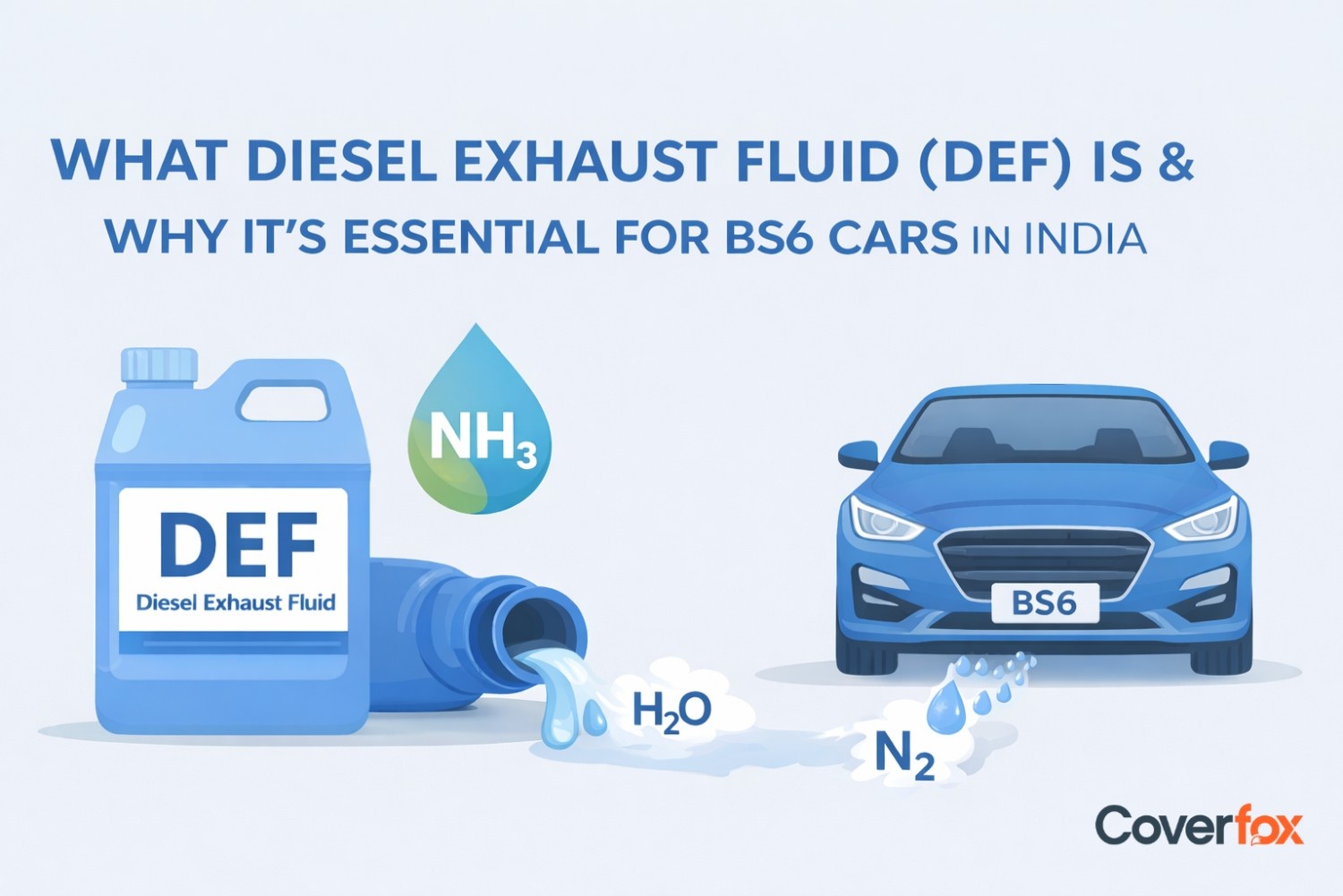
Diesel exhaust fluid (DEF) is meant to help control the level of pollutants in the exhaust of new diesel engines sold in India. It was made even more important by the adoption of the Bharat Stage 6 (BS6) emissions standard by all states and territories beginning April 2020. BS6 was designed to establish more stringent limits on nitrogen oxides (NOx) than before BS6, which required many new diesel engines to include advanced exhaust after-treatment systems. DEF is one of the chemicals that allow automotive manufacturers to provide the required equipment in these vehicles while simultaneously ensuring that they meet the new regulatory requirements and have a lower impact on the environment.
What is DEF in Cars?
DEF is a type of solution which is manufactured specifically for use with Selective Catalytic Reduction (SCR) systems installed on diesel-powered vehicles. DEF is made up of approximately 32.5% by weight of automotive-quality urea, combined with 67.5% deionized water. DEF in the car will never be considered a fuel blend additive and will always be stored in a separate holding tank used just for the purpose of exhaust gas emissions. International quality guidelines and definitions govern the quality and content of DEF.
How DEF Functions in Diesel Vehicles?
DEF fluid is injected into the exhaust stream of a diesel engine rather than the combustion chamber. Once exposed to high exhaust temperatures, the urea solution decomposes into ammonia. This ammonia is essential for neutralising harmful nitrogen oxides produced during diesel combustion. The process helps reduce tailpipe emissions without affecting engine performance.
The Connection Between DEF and SCR Systems
Selective Catalytic Reduction is an exhaust after-treatment technology designed to reduce NOx emissions. In SCR systems, DEF is precisely dosed into the exhaust stream upstream of a catalytic converter. Inside the catalyst, ammonia reacts with nitrogen oxides and converts them into nitrogen and water vapour. Under optimal conditions, SCR systems can reduce NOx emissions by up to 90 percent.
What are the Benefits of Diesel Exhaust Fluid (DEF)?
Diesel Exhaust Fluid (DEF) plays a vital role in reducing harmful emissions from diesel engines, helping vehicles meet stringent BS6 standards and improve overall air quality.
A major decrease in NOx emissions allows vehicles to be compliant with BS6 standards.
Harmful gases can be converted to nitrogen and water, resulting in improved air quality overall.
These advanced emissions systems, such as SCR and Diesel Particulate Filters, are supported.
The regulatory framework prevents penalties due to non-compliance and also helps to avoid operational restrictions on vehicles that do not comply with current regulations.

BS6 Standards and the Importance of DEF
The BS6 emission regulations bring about a substantial change in emission allowances when compared to BS4. The NOx standard for diesel vehicles has been lowered significantly and as a result brought India into line with the European Union's Euro 6 regulations. In order to comply, vehicle manufacturers began using SCR technology on diesel vehicles as a standard requirement rather than an optional feature for the use of DEF.
Step-by-Step Working of DEF Systems
Below is a step-by-step explanation of how DEF systems work to reduce emissions and improve diesel engine performance.
An electronically activated injector adds DEF to the exhaust gases as they exit the engine block.
When DEF is heated, it breaks down into ammonia and carbon dioxide
Ammonia reacts with nitrogen oxides in an SCR catalyst to form harmless byproducts of nitrogen and water vapor.
Industry-Wide Adoption of DEF Post-BS6
As BS6 standards have been implemented, DEF systems have found their way into all larger diesel passenger cars, sport utility vehicles, buses, and other heavy-duty commercial vehicles. However, smaller diesel engines may have some alternative methods of controlling emissions, but SCR systems using DEF will remain the primary method employed by heavier displacement diesel engines due to their higher NOx reduction requirements.
Regulatory Framework Governing DEF Usage
Under BS6 regulations imposed by the Indian government, vehicles using Diesel Fuel must have advanced emission control systems to comply with the prescribed emission standards. To achieve this, diesel vehicles need to use SCR technology in conjunction with Diesel Exhaust Fluid (DEF) for compliance throughout the entire lifecycle of the vehicle. Failure to comply may result in restrictions imposed on vehicle performance and legal penalties.
How to Store and Handle DEF?
Proper storage and careful handling of DEF are essential to maintain its effectiveness and ensure the optimal performance of your vehicle’s emission control system.
Recommended Storage Conditions for DEF Fluid
The proper storage temperature range for DEF fluid is between -11 °C and 30 °C.
Long-term storage of DEF at higher temperatures can result in degradation of the urea component, which could reduce the effectiveness of DEF.
DEF will freeze at a temperature of approximately -11 °C and freezing of DEF does not create any damage to the product, and DEF will return to its original properties once thawed.
Containers for DEF should always be stored away from direct sunlight and heat sources.
Handling and Contamination Prevention
DEF in the car should be handled using clean and dedicated equipment only.
It must not come into contact with diesel fuel, lubricants, dust, or other contaminants.
Even minimal contamination can impair SCR system performance.
Diesel Exhaust Fluid (DEF) must always be poured into the proper DEF tank, never into the diesel tank.
To Conclude
Diesel Exhaust Fluid is an important part of the diesel vehicle emissions control design for compliance with the BS6 legislations (current legislation as of 2023) and works as part of the Selective Catalytic Reduction (SCR) process to greatly reduce nitrogen oxides (NOx) from the exhaust of diesel vehicles, as it enables compliance with current regulatory standards, and contributes to the improvement of overall air quality. Proper storage, handling, timely delivery, and refill are essential to maintain the operation of SCR Systems and avoid limitations of service and operations, which is also important for maintaining coverage under your car insurance.
Explore More Articles to Read:
Diesel Particulate Filter (DPF) in Cars
BS4 vs BS6 Engine: How Engine Upgrades Improve Performance and Emissions
NOS in Cars: Legal Guidelines, Risks, and Benefits
Frequently Asked Questions
What does DEF stand for?
DEF's full form is Diesel Exhaust Fluid. It is a urea-based solution used in diesel vehicles equipped with Selective Catalytic Reduction systems to reduce nitrogen oxide emissions from exhaust gases.
What happens when the DEF system fails?
When the DEF system in a car fails, the vehicle usually presents the user with a series of warning lights on its dashboard. In addition, if the truck continues to run (as usual), there might be limitations regarding engine power or restrictions to ensure emission compliance.
How does a DEF system work?
The DEF system injects Diesel Exhaust Fluid into the exhaust stream, where it breaks down into ammonia. This ammonia reacts with nitrogen oxides inside the SCR catalyst, converting them into nitrogen and water.
How to check the DEF system?
DEF levels and system status are monitored electronically and displayed through dashboard alerts or the vehicle’s instrument cluster. Some vehicles also provide estimated refill distances based on current DEF levels.
What happens if you run out of DEF while driving?
If DEF is completely depleted, the vehicle may enter a reduced-power mode. In many cases, the engine may not restart after being switched off until DEF is refilled.
Disclaimer: The information provided in this article is for general educational and informational purposes only. Emission standards, vehicle specifications, and regulatory requirements may change over time. Vehicle owners are advised to refer to their vehicle manufacturer’s manual or consult an authorized service centre for accurate and model-specific guidance regarding Diesel Exhaust Fluid (DEF) usage and maintenance. This content does not constitute mechanical, legal, or regulatory advice.