- Retail Insurance
- Business Insurance
- Resources
- Claims


Diseases are conditions that affect the normal functioning of the body and can arise from infections, genetics, lifestyle habits, environmental factors, or long-term chronic issues. They may be mild or severe, short-term or lifelong, and can be infectious or non-infectious in nature. Understanding a disease in its full scope, from its symptoms, causes, risks, to its treatment options, helps people make informed health choices and seek timely medical care for better outcomes.
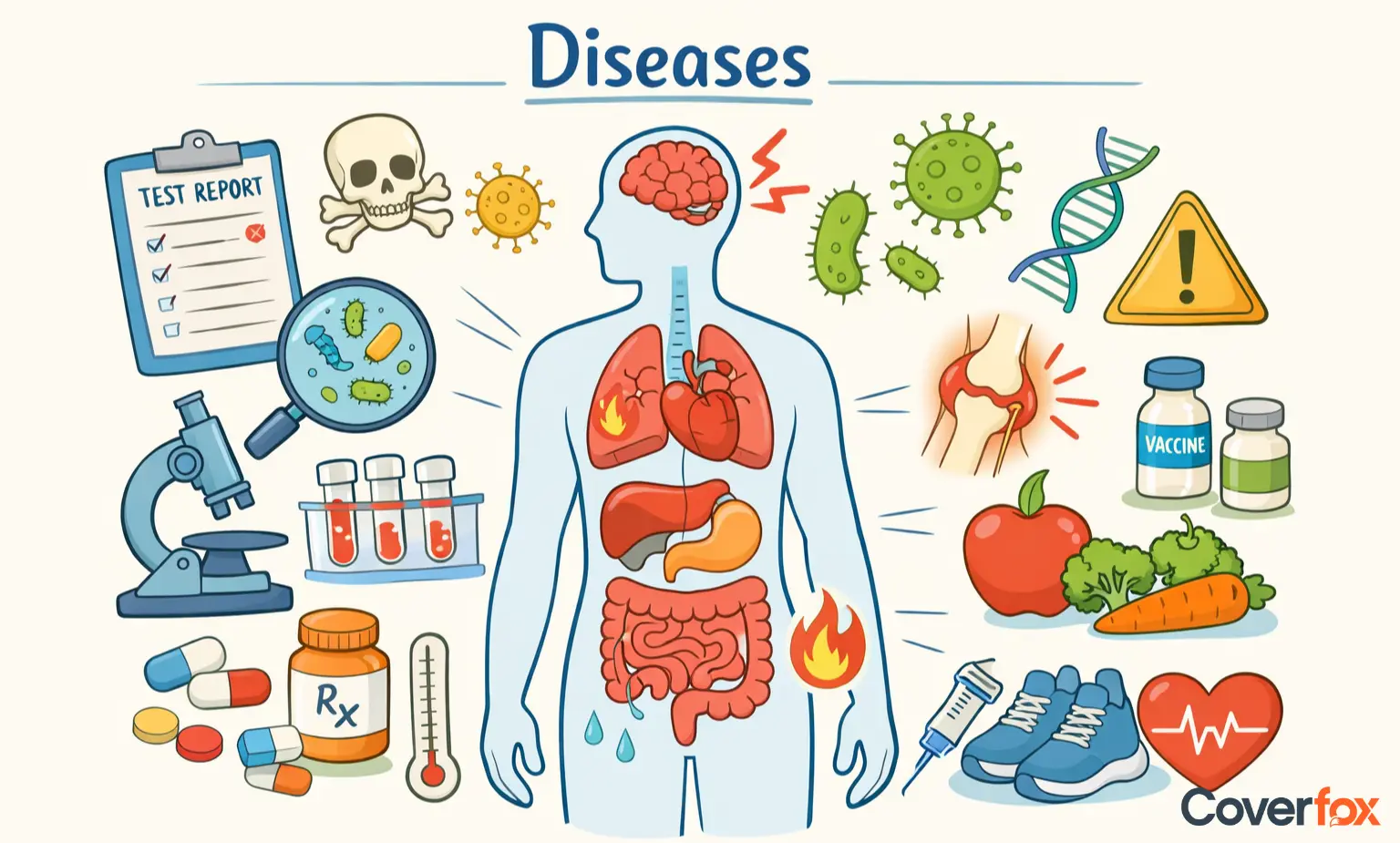
Understanding diseases is vital because it enables early diagnosis, effective prevention, and timely treatment, reducing complications and improving outcomes. With rising chronic conditions like diabetes and hypertension, recurring infectious and seasonal illnesses, and the growing need to recognise rare disorders, health awareness has never been more important. Lifestyle changes, regular screenings, vaccinations, good hygiene, and proper medical guidance all play a key role in lowering the overall disease burden.
Diseases are broadly classified based on their cause, mode of transmission, and long-term impact on health. Understanding these categories helps individuals recognise risks, take preventive measures, and seek timely treatment.
These diseases are caused by bacteria, viruses, fungi, or parasites and can spread from person to person through air, water, food, contact, or vectors like mosquitoes.
Non-communicable diseases are long-term conditions that do not spread between people and often develop due to genetic factors, lifestyle choices, or environmental influences.
Genetic disorders arise from abnormalities in genes or chromosomes and may be passed down from parents, affecting physical development, metabolism, or organ function.
Autoimmune diseases occur when the immune system mistakenly attacks the body’s own healthy cells, leading to chronic inflammation and tissue damage.
These conditions are closely linked to daily habits such as poor diet, physical inactivity, smoking, alcohol consumption, and chronic stress, often developing gradually over time.
Deficiency diseases result from a lack of essential nutrients like vitamins, minerals, or proteins, impairing normal body functions and overall health.
These diseases are caused by prolonged exposure to harmful physical, chemical, or biological factors in the workplace or environment, such as pollution, noise, or toxic substances.
Diseases can also be grouped based on the body system or organ they affect, helping users quickly understand symptoms, risks, and locate relevant health information.
These conditions affect the heart and blood vessels, disrupting blood circulation and increasing the risk of heart attack, stroke, and other cardiovascular complications.
Diseases of the lungs and airways that interfere with normal breathing and oxygen exchange, commonly caused by infections, allergies, or environmental pollutants.
Conditions affecting the brain, spinal cord, and nervous system, leading to issues with movement, memory, coordination, sensation, or cognitive function.
Disorders involving the stomach, intestines, liver, pancreas, and related organs, impacting digestion, nutrient absorption, and waste removal.
Diseases related to hormone imbalance and metabolic dysfunction that influence growth, energy levels, blood sugar regulation, and overall body balance.
Conditions affecting bones, muscles, joints, and connective tissues, often resulting in pain, stiffness, weakness, or reduced mobility.
Diseases that affect the skin, scalp, and hair, causing changes in appearance, texture, pigmentation, or hair health.
Certain diseases are more common at specific stages of life due to differences in immunity, physical development, and age-related changes in the body. Understanding these risks helps in early detection, timely care, and better prevention.
Children are more prone to infectious illnesses such as colds, flu, diarrhoeal diseases, and viral fevers due to developing immune systems. They may also experience developmental and congenital conditions that affect physical growth, learning, behaviour, or speech, requiring early diagnosis and ongoing support.
As people age, the risk of chronic and degenerative conditions increases. Common age-related diseases include arthritis, dementia, osteoporosis, heart disease, and diabetes, which often result from gradual wear and tear, hormonal changes, and long-term lifestyle factors.
Here is a quick list of diseases affecting people of India with a simple explanation:
What is Alzheimer’s disease? It is a progressive neurological condition that affects memory, thinking, and behaviour over time. As it advances, it interferes with daily activities and often requires long-term medical and caregiving support.
What is asthma? It is a chronic respiratory disorder marked by airway inflammation, causing breathing difficulty, wheezing, and chest tightness. Symptoms are commonly triggered by allergens, pollution, or respiratory infections.
Bird Flu is a viral infection caused by avian influenza viruses that primarily affect birds but can infect humans through close contact with infected poultry. Human cases can be severe and require prompt medical care.
High Blood Pressure is a condition in which blood pressure remains consistently elevated, placing strain on the heart and blood vessels. Over time, it increases the risk of heart disease, stroke, and kidney damage.
Bone cancer is a rare form of cancer that begins in bone tissue and often presents as persistent pain, swelling, or unexplained fractures. Early diagnosis is essential for better treatment outcomes.
What is a brain tumour? It is an abnormal growth of cells within the brain that can disrupt normal brain functions. Depending on its location, it may affect movement, speech, vision, or cognitive abilities.
One of the most common cancers among women, breast cancer develops in breast tissue and shows significantly better outcomes when detected early and treated promptly.
What is cancer? It is a group of diseases characterised by uncontrolled cell growth that may spread to other parts of the body. Without timely treatment, it can damage organs and become life-threatening.
What is chikungunya? It is a mosquito-borne viral illness that causes sudden fever and severe joint pain. Although rarely fatal, joint pain may persist for weeks or months.
A contagious respiratory illness caused by the SARS-CoV-2 virus, COVID-19 can range from mild symptoms to severe complications. While now considered endemic in many regions, it continues to pose higher risks for older adults and people with underlying health conditions.
Dengue is a mosquito-borne viral infection that causes high fever, severe body aches, headache, and pain behind the eyes. In severe cases, it can lead to bleeding, shock, and organ damage.
What is diabetes mellitus? It is a chronic metabolic disorder in which the body is unable to regulate blood sugar levels effectively. Poorly managed diabetes can lead to complications affecting the heart, kidneys, eyes, and nerves.
What is endometrial cancer? It is a type of cancer that starts in the lining of the uterus. Abnormal vaginal bleeding is often an early warning sign, allowing for timely diagnosis and treatment.
Stress is not a disease itself but a significant contributing factor that can negatively affect mental and physical health. Prolonged or unmanaged stress increases the risk of heart disease, anxiety disorders, sleep disturbances, and weakened immunity.
A condition characterised by excess fat accumulation in the liver, fatty liver disease may be non-alcoholic (NAFLD) or related to alcohol use. It is commonly associated with obesity, diabetes, and unhealthy lifestyle habits.
What is a heart attack? It is a medical emergency that occurs when blood flow to the heart muscle is blocked. This leads to damage of heart tissue and requires immediate medical attention.
A skin condition marked by darkened patches due to excess melanin production, often triggered by sun exposure, hormonal changes, or post-inflammatory causes such as acne or wounds.
A condition where blood glucose levels drop dangerously low. It commonly affects people with diabetes but may also occur due to medications, prolonged fasting, alcohol use, or critical illness.
A serious condition in which the kidneys lose their ability to filter waste effectively. Kidney failure may be acute or chronic and often requires dialysis or a kidney transplant.
What are kidney stones? They are hard mineral deposits that form in the kidneys and can cause severe pain while passing through the urinary tract. Dehydration and dietary factors are common contributors.
Malaria is a parasitic disease spread through the bite of infected mosquitoes. It causes fever, chills, sweating, and flu-like symptoms and can be life-threatening if not treated promptly.
A chronic medical condition involving excessive body fat that increases the risk of diabetes, heart disease, joint problems, and other health issues. Obesity is influenced by genetics, metabolism, environment, and lifestyle factors.
What is oral cancer? It is a type of cancer that affects the mouth, tongue, lips, or throat. Tobacco use, alcohol consumption, and poor oral hygiene are major risk factors.
What is Parkinson’s disease? It is a progressive nervous system disorder that affects movement, balance, and muscle control. Common symptoms include tremors, stiffness, and slowed movements.
What is paralysis? It is the loss of muscle function in part or all of the body due to nerve damage or spinal injury. Paralysis may be temporary or permanent.
A rare but serious bacterial infection caused by Yersinia pestis, historically responsible for major epidemics. It is transmitted through infected flea bites and, in some forms, respiratory droplets.
Polio is a viral disease that can lead to permanent paralysis, particularly in children. Widespread vaccination has made polio rare in many parts of the world.
What is sarcopenia? It is an age-related condition involving loss of muscle mass and strength. Sarcopenia increases the risk of falls, fractures, and reduced mobility in older adults.
A condition caused by the abnormal growth of skin cells, most commonly due to prolonged sun exposure. Major types include basal cell carcinoma, squamous cell carcinoma, and melanoma.
What is a spinal cord tumour? It is an abnormal growth in or around the spinal cord that can affect movement, sensation, and nerve function. Symptoms often worsen gradually.
Stroke is a medical emergency caused by disrupted blood flow to the brain. It may be ischemic or haemorrhagic and can result in long-term disability if not treated promptly.
A viral respiratory infection caused by Influenza A (H1N1). Initially responsible for a global outbreak, it is now considered a seasonal flu strain.
What is testicular cancer? It is a type of cancer that develops in the testicles and is most commonly seen in younger men. When detected early, it has a very high treatment success rate.
What are thyroid disorders? They are conditions that affect the production of thyroid hormones, which regulate metabolism, energy levels, and body weight.
What is thyroid cancer? It is a cancer that originates in the thyroid gland and often grows slowly. With early diagnosis and appropriate treatment, the prognosis is generally favourable.
What is tongue cancer? It is a form of oral cancer that affects the tissues of the tongue. Tobacco use, alcohol consumption, and chronic irritation are common risk factors.
What is tuberculosis? It is a contagious bacterial infection that primarily affects the lungs but can also spread to other organs. TB spreads through airborne droplets and requires long-term antibiotic treatment.
Typhoid is a bacterial infection caused by contaminated food or water. It leads to prolonged fever, weakness, and digestive symptoms if not treated promptly.
What is uterine cancer? It is a cancer that develops in the uterus and often presents early symptoms such as abnormal vaginal bleeding. Early detection allows for more effective treatment.
Vector-borne diseases are a group of infections transmitted by vectors such as mosquitoes or ticks. Common examples include dengue, malaria, chikungunya, and Japanese encephalitis.
Understanding symptoms, causes, and risk factors of diseases empowers individuals to recognise early warning signs and have a general idea about the disease that has affected the patient. It also ensures you do not help the disease grow even further by avoiding risk factors.
Symptoms are the body’s way of signalling that something isn’t functioning normally, whether through pain, fever, fatigue, or other noticeable changes. Recognising symptoms early helps people seek timely medical care before a condition worsens. Understanding what certain symptoms may indicate also prevents confusion and encourages appropriate, informed action.
Causes refer to the underlying reasons a disease develops, ranging from infections and genetics to lifestyle habits and environmental factors. Knowing the cause helps individuals understand how an illness begins and what behaviours or exposures might be contributing. This awareness enables people to make necessary changes and take preventive steps to protect their health.
Risk factors are conditions or habits that increase the likelihood of developing a disease, such as age, family history, stress, or unhealthy lifestyle choices. While some risk factors cannot be changed, many can be managed or reduced with conscious effort. Understanding these risks empowers individuals to adopt healthier routines, undergo regular screenings, and lower their chances of future illness.
Prevention is better than cure, is a common yet impactful phrase. Preventive care plays a key role in reducing the risk of illness, detecting health issues early, and improving long-term health outcomes through timely action and healthy habits.
Vaccines protect against infectious diseases by strengthening the immune system and preventing severe illness, complications, and disease spread.
A balanced diet, regular physical activity, adequate sleep, and stress management help maintain immunity, control weight, and lower the risk of chronic diseases.
Proper hand hygiene, safe food practices, clean surroundings, and respiratory etiquette reduce the spread of infections and protect community health.
Routine medical check-ups and screenings enable early detection of diseases, improving treatment outcomes and preventing complications.
Recognising early warning signs can help prevent serious health complications. Seek medical attention immediately if you experience any of the following symptoms:
A fever lasting several days may indicate an underlying infection or inflammatory condition that requires medical evaluation.
Chest pain, pressure, or discomfort should never be ignored, as it may signal heart, lung, or other serious conditions.
Sudden or unintentional weight loss can be a warning sign of metabolic disorders, infections, or chronic diseases.
Shortness of breath or laboured breathing may indicate respiratory or cardiac issues and needs immediate attention.
Sudden weakness, especially on one side of the body, may point to neurological conditions such as stroke.
Unexpected bleeding or unusual discharge can be a sign of hormonal, gastrointestinal, or other underlying health problems.
Timely consultation with a healthcare professional ensures early diagnosis, appropriate treatment, and better health outcomes.
Diagnosing diseases typically involves a combination of physical examinations, blood tests, imaging methods like X-rays, CT scans, and MRIs, as well as specialised procedures such as biopsies and routine screenings to identify abnormalities. Treatment may include medications, targeted therapies, lifestyle modifications, surgeries, rehabilitation programmes, and long-term management depending on the condition. Early detection and accurate diagnosis play a crucial role in improving treatment outcomes, reducing complications, and supporting faster recovery.
India is grappling with a dual health burden: persistent infectious diseases alongside a dramatic rise in chronic non-communicable diseases (NCDs). Rapid urbanisation, pollution, changing lifestyles and low public health awareness are fueling this rise, making disease awareness and preventative care essential for safeguarding public health.
Non-communicable diseases now account for about 63–65% of all deaths in India, up from around 38% in 1990 (Drishti IAS).
Chronic respiratory illnesses — aggravated by air and household pollution — remain among the top causes of death and disability, especially in densely populated and polluted regions. (PMC)
Risk factors like poor diet, sedentary lifestyle, tobacco use, environmental pollution and limited health awareness are widespread — intensifying chronic disease burden across age groups, including young adults. (PMC)
The burden of diabetes is rising significantly, with a projected age-standardised prevalence rate of 6960.33 per 100,000 population in 2025. India has an estimated 73 million adults living with diabetes. (Research)
Total cancer cases rose to 1.53 million in 2024, with mortality rising faster than incidence, signalling gaps in early detection and treatment access. (PMC Research)
Breast cancer is the most common cancer among Indian women (~192,020 new cases in 2022).
Cervical cancer is the second leading female cancer, with ~127,526 new cases in 2022.
India still accounts for the largest share of the global TB burden. However, the country has made strong progress, with incidence falling to 195 cases per lakh population in 2023, and a 21% decline in cases over the last decade. (Ministry of Health and Family Welfare)
Health insurance plays an essential role in managing disease, as well as your finances. Here’s how:
Provides coverage for hospitalisation, medical treatments, doctor consultations, and diagnostics, reducing the financial burden of managing illnesses.
Offers critical illness benefits, giving a lump-sum payout on diagnosis of serious conditions like cancer, stroke, or heart attack.
Enables cashless treatment at network hospitals, ensuring quick access to healthcare without upfront payments.
Includes preventive healthcare features such as annual health check-ups, wellness benefits, and screenings to support early detection.
Protects families from unexpected medical expenses, helping them manage emergencies and long-term treatments without financial stress.
Covers pre-existing diseases after a specified waiting period, allowing individuals with chronic conditions to receive ongoing care.
Finding out information on the internet is easy, but is that information truly reliable? When it comes to health, there should be no compromises. For any health insurance related queries you can always rely on Coverfox. For disease information, you can strongly rely on these trusted sources. But, the internet is a collection of knowledge, no website cna provide you specific information better than your doctor. Always consult a doctor rather than relying on the internet.
Disclaimer on Medical Advice: This page is for informational purposes only and is not a substitute for professional medical advice, diagnosis, or treatment. Always seek the advice of a qualified healthcare provider or doctor before making any decisions related to your health or starting any new treatment.
Disclaimer on Health Insurance: Health insurance coverage, eligibility, and policy details can vary significantly; please read your policy documents carefully for exact details.
A disease is an abnormal condition that interferes with the normal structure or functioning of an organism. It typically results in health problems and is characterized by specific signs and symptoms, which can vary in type and severity—from mild discomfort to serious or life-threatening conditions.
Diseases are primarily classified as Infectious (caused by pathogens like bacteria, viruses) or Non-infectious (like genetic, deficiency, or lifestyle diseases, such as heart disease and cancer).
Diseases are caused by a variety of factors, including pathogens (bacteria, viruses), genetic mutations, environmental exposure, lifestyle choices, and nutritional deficiencies.
Common examples are Type 2 Diabetes, Cardiovascular Disease, and certain Cancers; they can often be prevented by maintaining a healthy diet, regular exercise, avoiding smoking, and limiting alcohol.
They spread via air, direct contact, contaminated surfaces, food/water, or vectors (insects); reducing risk involves vaccination, frequent handwashing, and practising respiratory hygiene.
Yes, chronic stress can weaken the immune system and increase inflammation, potentially contributing to or worsening conditions like hypertension, heart disease, and anxiety disorders.
A balanced diet and regular physical activity help maintain a healthy weight, regulate blood pressure and cholesterol, and improve immune function, significantly lowering the risk of chronic diseases.
Acute diseases develop suddenly and last for a short period, while chronic diseases progress slowly and often require long-term management.
Not all diseases are curable, but many can be effectively managed through medication, lifestyle changes, and regular medical care.
Yes, some diseases remain asymptomatic in early stages, making regular health check-ups important for early detection.
Symptoms such as chest pain, sudden weakness, difficulty breathing, severe bleeding, or loss of consciousness require immediate medical attention.
Doctors diagnose diseases using a combination of medical history, physical examination, laboratory tests, imaging, and screening procedures.
Early screening helps identify diseases at an early stage, improving treatment outcomes and reducing the risk of complications.
Yes, certain diseases and health conditions can be passed down genetically from parents to children.
Children may experience faster disease progression due to developing immune systems, while symptoms and treatment responses can differ from adults.
Yes, ageing increases the risk of chronic and degenerative diseases due to natural wear and tear, hormonal changes, and reduced immunity.
Mental health conditions are recognised medical conditions that affect mood, thinking, and behaviour and require appropriate care and support.