Sedan cars are a distinct body style defined by their classic three-box design - a separate engine compartment at the front, a passenger cabin in the middle, and a dedicated boot space at the rear. This structured layout gives sedans a balanced appearance while ensuring practical space distribution for both passengers and luggage.
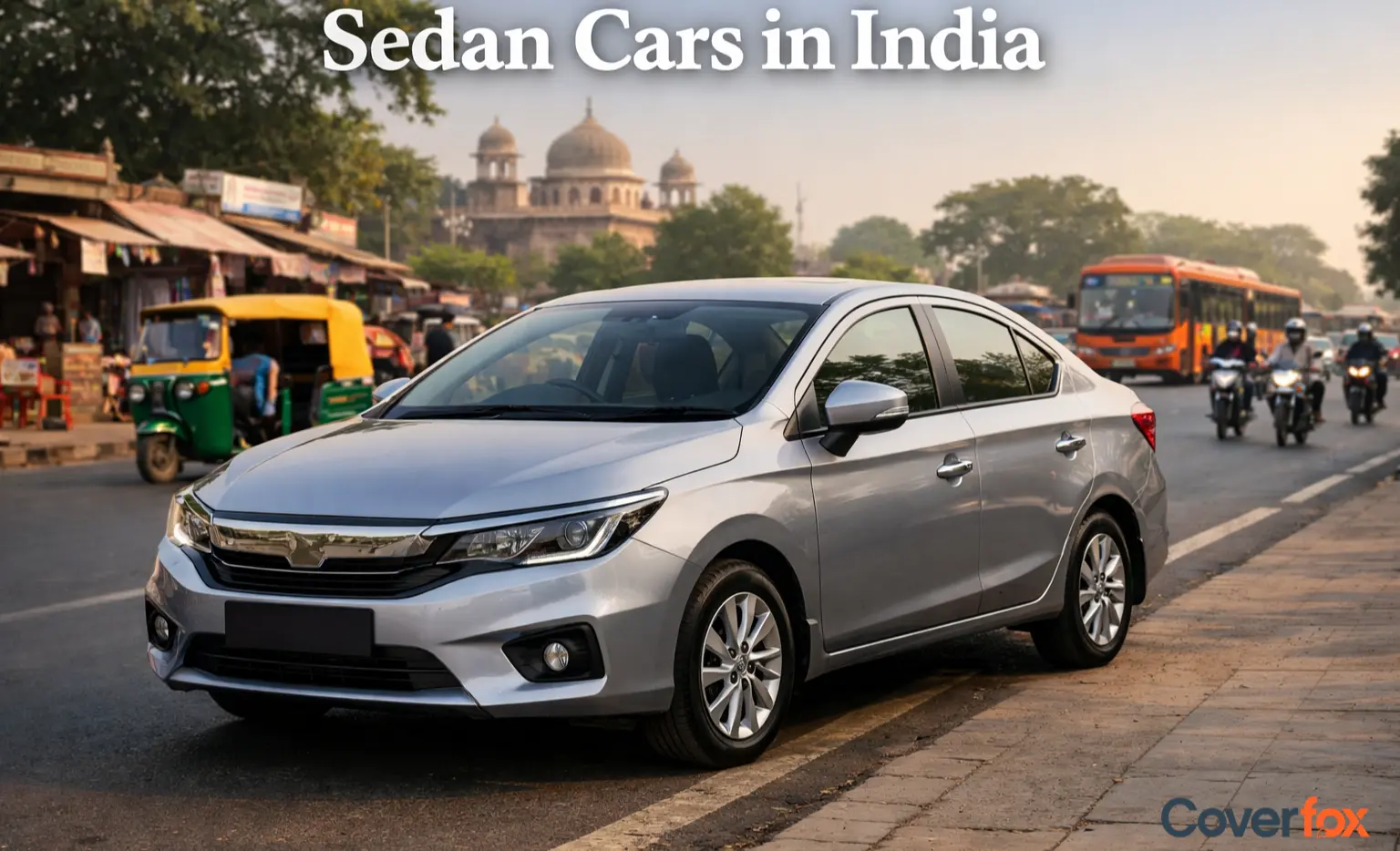
Sedan cars are one of the most popular passenger vehicle types in India, known for their three-box design, comfort, and suitability for both city and highway driving. This guide explains what a sedan car is, its key features, types such as compact, mid-size, and luxury sedans, and how sedans are classified under Indian vehicle regulations. It also compares sedans with hatchbacks, SUVs, and MPVs to help buyers make informed decisions. Additionally, we highlight how vehicle insurance plays an important role in protecting your sedan ownership experience.
What is a Sedan Car?
A sedan is a type of car designed for a great driving experience. It's designed to be comfortable, stable, and easy to use every day. When people wonder what a sedan is, they're really asking about a car that's perfect for driving around the city or taking on longer trips. It is an ideal personal-use car. In India, sedans are often seen as great family cars because they offer a smooth ride and are easy to use.
What are the features of Sedan Cars?
Sedans have some special features that make them unique:
Three-Box Design
Passenger comfort
Seating Capacity
Separate Trunk
The engine, cabin, and boot are divided into three compartments, giving the silhouette a conventional three-box shape.
Sedans focus on ride quality and interior space, providing ample leg and headroom for front- and rear-seat passengers.
Sedans can fit up to five adults comfortably. It is suitable for family outings and everyday transportation.
The trunk is separate from the passenger compartment.

Different Types of Sedan Cars
There are several types of sedans to choose from. They differ in size, interior space, comfort level, and intended use.
Compact sedans
Mid-size sedans
Luxury Sedans
These cars are smaller, but they still retain the classic three-box design. They're perfect for city driving, offering a practical seating capacity, good performance, and easy handling in traffic. They're great for daily commutes or running errands around town.
They are bigger than compact sedans. They offer a comfortable ride and offer more leg space. It is ideal for those who desire a vehicle that performs well in both urban and long-distance driving.
They have premium features and offer a high-end interior quality with exceptional craftsmanship. They boost the traditional sedan experience with luxury attributes.
How Sedans Fit into Indian Vehicle Classification?
Vehicles in India are classified according to the Central Motor Vehicle Rules. They have categorized vehicles, which can fit up to eight people, including the driver, into the M1 category. Since most sedans' car seating capacity is five people, they fit well into this category.
This framework is administered by the Ministry of Road Transport and Highways (MoRTH). They play a critical role in determining vehicle approval, registration procedures, and compliance with safety and emission standards. By classifying sedans as M1 vehicles, regulatory authorities ensure that these vehicles meet uniform national norms for personal passenger cars.
Comparison Between Sedan and Other Car Types
Each car body has its own strengths and weaknesses, but sedans remain a popular choice for those who value comfort and safety. Below are different car body types:
Hatchbacks have the same cargo and passenger space but have an openable rear door that lifts, whereas sedans tend to offer more defined trunk space and usually comfort as well.
SUVs tend to be taller and offer a more commanding driving position, while sedans are more focused on stability and fuel economy in city traffic.
MPVs are built to have the most seating space and flexibility in their interior layout, going beyond the traditional sedan capacity.
Conclusion
Sedans continue to be a practical and dependable choice for Indian families due to their comfort, defined boot space, fuel efficiency, and smooth driving dynamics. Whether you are commuting daily or traveling long distances, a sedan offers balanced performance without unnecessary complexity.
While choosing the right car body type is important, protecting your vehicle with the right car insurance policy is equally essential. Car insurance ensures financial protection against accidents, theft, natural disasters, and third-party liabilities.
Also Read:
Disclaimer:
The information provided in this article is for general informational and educational purposes only. Vehicle features, classifications, and specifications may vary depending on the manufacturer and regulatory updates. Readers are advised to verify details with authorized dealerships and official government sources before making purchasing decisions. Insurance premium calculations, coverage benefits, and policy terms vary by insurer and are subject to underwriting guidelines.
* Savings are based on the maximum discount provided on own damage premium as offered by our car insurer partners.
Frequently Asked Questions on Sedan Cars
Are sedans luxury cars?
Not necessarily. Some sedans have been developed as luxury models and feature top-end amenities. However, "sedan" refers to the car body, not to luxury status.
Is a sedan better than an SUV?
Sedans are usually great for saving fuel, providing a comfortable ride, and handling tight city streets. On the other hand, SUVs give you a higher view of the road and can handle rough terrain a lot better.
Are sedans expensive to insure?
No, insuring sedans is not expensive. Factors that affect insurance costs include your vehicle's value, engine size, and safety features.
How do sedans handle on Indian roads?
Yes, they are more suitable for city and highway driving. However, on poorly maintained roads or in rural areas with frequent speed breakers, SUVs might be preferable.