The summer season and extreme heat can prove worrisome for your car. Regular maintenance, along with some early preparations, goes a long way to ensure your car runs smoothly in the summer. Some general car care tips during summer include: Maintaining the cooling system, checking tyre pressure, coolant levels, servicing the A/C, etc.
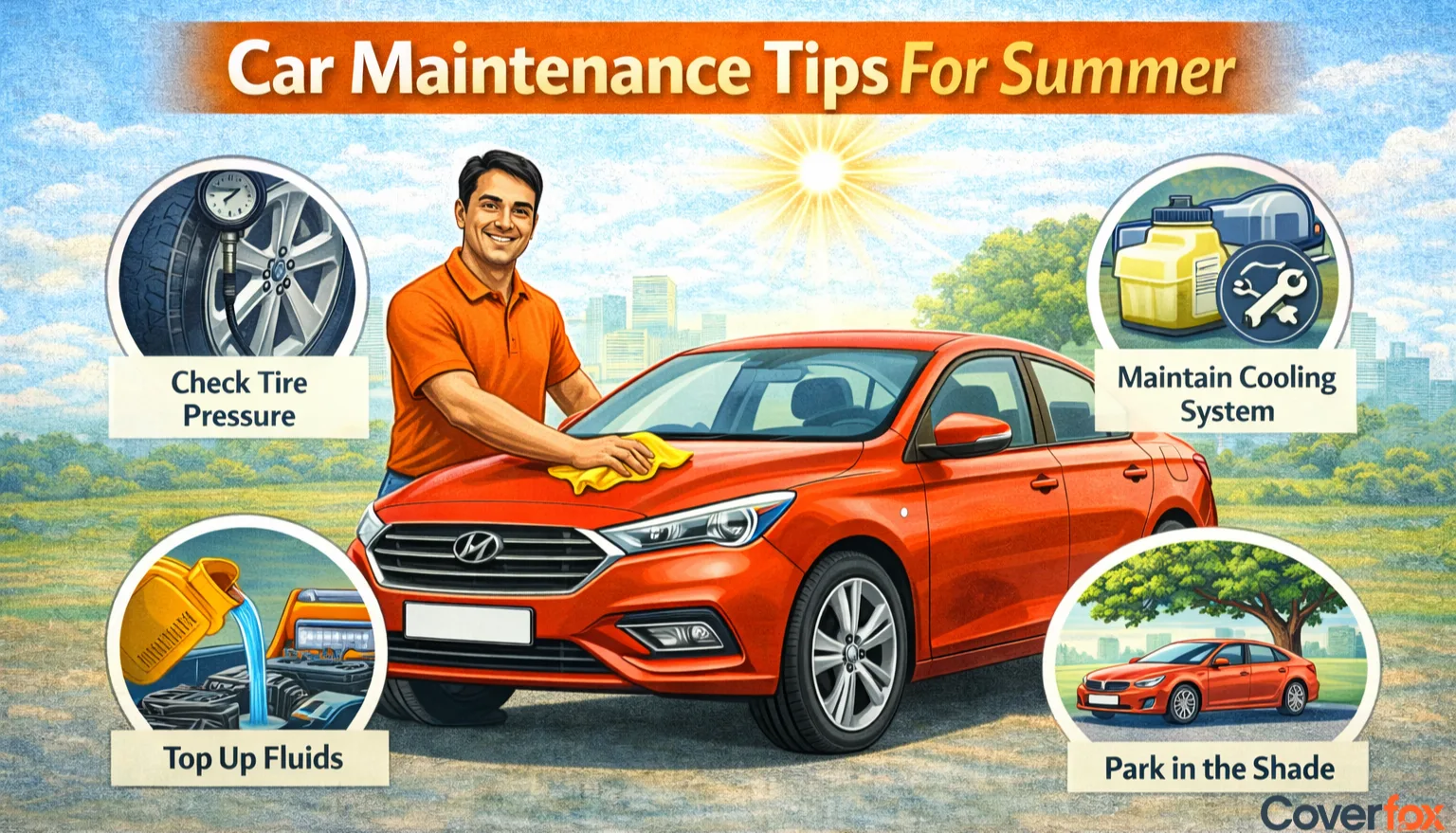
Summers are around the corner, and the temperatures are high every time. While the summers may seem pleasant, extreme heat may cause hindrances to your car. From oil thinning to the car overheating, these summer-related issues can cause heavy damage to your beloved possession, meaning summer car care is extremely essential for safe and smooth driving. This article will cover some must-know car care tips for the summer!
How Does Extreme Heat Affect Your Car?
Extreme heat accelerates physical and chemical changes in car components. As the temperature rises, engine oil viscosity decreases, causing the oil to thin and reducing its ability to maintain a protective lubrication layer between moving parts. This can increase friction and engine wear, while heat also raises tyre pressure through air expansion and speeds up fluid evaporation in batteries and cooling systems. Research shows that increasing temperature significantly lowers the dynamic viscosity of engine oils, directly affecting lubrication efficiency.

Most Common Summer Car Problems & Reasons
Extreme summer heat places additional stress on a car’s engine, fluids, tyres, battery, and interior materials, and causes serious problems like:
| Summer Car Problem | Technical Reason |
|---|---|
| Engine overheating | High ambient temperatures reduce the cooling system’s ability to dissipate heat, causing coolant temperatures to rise and the engine to overheat. |
| Oil thinning | Heat lowers engine oil viscosity, making it thinner and less effective at lubricating moving engine components. |
| Tyre blowouts | Rising temperatures cause air inside tyres to expand, increasing internal pressure and the risk of tyre failure. |
| Battery failure | Heat accelerates the evaporation of battery electrolyte fluid and increases internal corrosion, reducing battery life. |
| AC inefficiency | High cabin temperatures force the AC compressor to work harder, reducing cooling efficiency and increasing strain on the system. |
| Rubber belt and hose cracks | Continuous exposure to heat causes rubber components to harden, lose elasticity, and develop cracks. |
| Dashboard fading or cracking | Prolonged UV exposure and heat degrade plastic materials, causing colour fading, brittleness, and surface cracks. |
Summer Car Care Tips For Car Owners
Here are some car care tips to ensure the problems listed above do not hurt you or your car in the long run!
1. Maintain the Car Cooling System in Summer
Summers put extreme pressure on the cooling systems of the car, to avoid overheating, the system works extra to ensure temperature remains at a sustainable level and thus may require regular maintenance, especially during summers. Ensure the coolant mixture follows the manufacturer-recommended 50:50 coolant–water ratio for efficient heat dissipation. Never open the radiator cap when the engine is hot, as pressurised coolant can cause burns. Regularly inspect radiator fins, hoses, and connections for leaks or blockages since engine overheating is one of the most common causes of summer vehicle breakdowns.
2. Car Engine Oil & Fluid Monitoring in Summer
High temperatures accelerate the breakdown of engine oil, reducing its viscosity and lubrication efficiency. Check the engine oil level and colour regularly, and consider switching to a heat-resistant oil grade if recommended by the manufacturer. It is also important to monitor brake fluid, power steering fluid, and transmission fluid levels. Low or degraded fluids can increase friction, reduce system efficiency, and eventually lead to expensive component damage.
3. Maintaining Car Tyres in Summer
Hot road surfaces significantly increase tyre temperature and internal pressure, which raises the risk of tyre bursts. Check tyre pressure frequently and always inflate tyres when cold (preferably early morning) to maintain the manufacturer-recommended PSI. Monitor tread depth (minimum 1.6 mm) and check the tyre manufacturing date since tyres generally have a usable life of around five years. Regular wheel alignment and tyre rotation also help distribute wear evenly and improve safety during summer driving.
4. Car Battery Care in Summer
Heat can accelerate chemical reactions inside the battery, accelerating fluid evaporation and internal corrosion. Inspect battery terminals for corrosion and ensure the battery is securely mounted to prevent vibrations. Periodically test the battery’s voltage output and consider replacing it if it is more than three years old, as battery failures are particularly common during peak summer months.
5. Importance of Car’s AC Service Before Summer
A car’s air-conditioning system operates at maximum capacity during hot weather. Before summer, check refrigerant levels, inspect the compressor and AC vents, and replace the cabin air filter to maintain airflow and cooling efficiency. Letting trapped hot air escape from the cabin before turning on the AC can reduce load on the system. If cooling performance is poor, it may indicate issues within the AC or the engine cooling system.
6. Taking Care of Car Rubber Components in Summer
Rubber components degrade faster in high temperatures. Inspect the AC belt and serpentine belt for signs of wear or cracks and check engine hoses for brittleness or leaks. Examine window seals, weather strips, and wiper blades, as prolonged heat exposure can make them hard and ineffective. Cracked belts or hoses may snap unexpectedly and cause sudden breakdowns.
7. Protect Car’s Interior from Summer Damage
When parked in the sun, a car’s cabin temperature can exceed 60°C, which can damage interior materials. Use windshield sunshades, park in shaded areas or garages, and apply UV protectant on the dashboard to reduce sun damage. Seat covers and steering wheel covers also help minimise heat buildup and prevent fading, cracking, or warping of interior surfaces.
8. Protect Your Car’s Exterior in Summer
Strong UV radiation and dust exposure can take a toll on a car’s paint and plastic trim. Wash the car regularly to remove dust, pollutants, and contaminants that can damage the paint surface. Applying wax or ceramic coating adds a protective layer against UV rays, while polishing plastic cladding helps maintain its colour. Using a car cover when parked outdoors also protects the exterior from heat and sun damage.
9. Smart Parking and Ventilation Practices in Summer
Adopting small parking and ventilation habits can help reduce heat buildup inside the car. Slightly opening the windows can allow ventilation, but it should be done cautiously for security reasons. Before switching on the AC, briefly roll down the windows to release trapped hot air. Avoid prolonged idling in extreme heat and plan long drives during cooler hours of the day whenever possible to reduce stress on the vehicle.
10. Maintain Windshield & Wipers in Summer
During summer, dust accumulation, heat exposure, and sudden pre-monsoon showers can affect windshield visibility. High temperatures can harden the rubber on wiper blades, reducing their flexibility and causing streaks or scratches on the windshield. Regularly inspect the wiper blades for cracks, stiffness, or uneven wiping and replace them if necessary. Ensure the windshield washer reservoir is filled with washer fluid rather than plain water, as it helps remove dust, oil residue, and insect stains more effectively. Keeping the windshield clean and the wipers in good condition ensures clear visibility and safer driving during hot and dusty summer conditions.
Does Car Insurance Cover Summer-Related Damage?
While normal wear and tear is not covered under any type of car insurance (this includes wear and tear due to extreme heat), if any accident is caused due to the summer heat then that damage can be covered under comprehensive/own damage car insurance policy. Third-party insurance may cover only damages caused to the other vehicle, but not your own vehicle. Read your policy documents carefully for inclusion and exclusions to avoid any future claim denials.
Key Takeaways
Just like winters and monsoons, summer seasons also require some basic maintenance for your car. This will lead to a better and smoother driving experience during the sweaty months. Better to take precautions beforehand, so that you won't suffer later! Have comprehensive car insurance to ensure damages caused to your vehicle is covered and you have a happy and smoother drive during summers!
Also Read:
Disclaimer: * Savings are based on the maximum discount provided on own damage premium as offered by our car insurer partners.
Frequently Asked Questions
How often should I check coolant levels in summer?
It is advisable to check coolant levels at least once every 1–2 weeks during peak summer or before long drives. High temperatures increase evaporation and pressure in the cooling system, so maintaining the correct coolant level helps prevent engine overheating.
Is nitrogen better for car tyres in summer?
Nitrogen-filled tyres lose pressure more slowly and are less affected by temperature changes compared to regular air. While normal air works well if tyres are maintained properly, nitrogen can provide slightly better pressure stability in hot conditions.
Why does my car AC take longer to cool in summer?
During summer, cabin temperatures can exceed 60°C when parked, forcing the AC system to work harder to remove the trapped heat. Reduced refrigerant levels, a clogged cabin filter, or heavy load on the compressor can also delay cooling.
Does car insurance cover engine overheating?
Most standard car insurance policies do not cover engine overheating caused by wear and tear or poor maintenance. However, coverage may apply if overheating leads to damage due to an accident or if you have an engine protection add-on with your policy.
How should I wash my car in summer?
Wash your car during early morning or late evening to avoid water spots caused by rapid evaporation in heat. Use mild car shampoo, rinse thoroughly, and dry the car with a microfiber cloth to protect the paint and finish.
Can extreme summer heat damage a parked car even if it is not driven?
Yes. Prolonged exposure to heat and UV rays can fade paint, crack dashboards, weaken rubber seals, and reduce battery life, even if the car remains parked for long periods.
What is the ideal time of day to check tyre pressure during summer?
Tyre pressure should ideally be checked early in the morning when tyres are cold, as driving and high ambient temperatures can temporarily increase pressure readings.
Can hot weather cause tyre bursts?
Yes. Heat causes the air inside tyres to expand, increasing internal pressure. Combined with underinflation, worn-out tyres, or damaged sidewalls, this can significantly raise the risk of tyre blowouts.
How do I know if my car is overheating in summer traffic?
Common signs include the temperature gauge rising above normal, warning lights on the dashboard, steam from the bonnet, or a burning smell. If this happens, stop the car safely and allow the engine to cool before checking the coolant level.
Does waxing really reduce heat damage, or is it only cosmetic?
Car wax does more than improve appearance. It creates a protective layer on the paint surface, helping shield it from UV rays, oxidation, and heat-related fading, which helps maintain the car’s exterior condition.