The catalytic converter is an important component that helps reduce harmful gas emissions from a vehicle's exhaust system by facilitating compliance with government emissions regulations. The Indian government has introduced regulations related to vehicular emissions, which are referred to as Bharat Stage VI (BS6). Understanding what a catalytic converter is and how it works is necessary for maintaining vehicles and complying with the regulations established by the government.
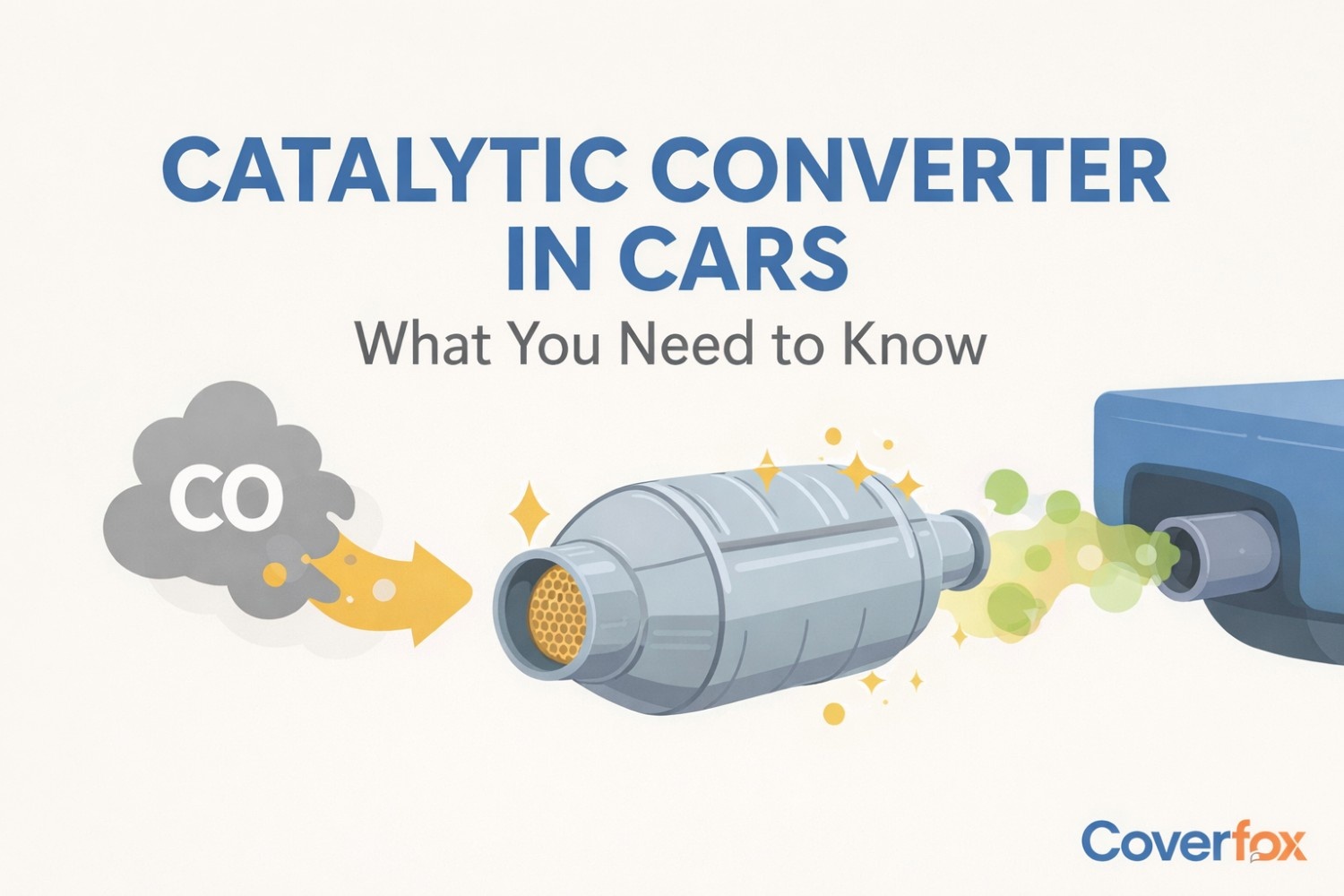
It is designed to improve air quality by minimizing toxic pollutants released from the engine during combustion. Proper functioning of this system also supports better vehicle efficiency and long-term performance.
Catalytic Converter Definition and Role in a Vehicle
The car catalytic converter is fitted within the exhaust system and converts toxic gases into less harmful emissions. In technical terms, a catalytic converter can be defined as a device that uses catalysts to trigger chemical reactions without being consumed in the process.
It is typically located between the engine and the muffler, where exhaust gases pass through it before being released. This placement ensures that harmful gases are treated immediately after combustion. The effectiveness of the converter largely depends on maintaining the correct engine temperature and fuel-air mixture.
Advantages, Limitations and Upkeep
Benefits of an automobile catalytic converter:
Decreases pollutants: carbon monoxide, hydrocarbons & nitrogen oxides.
Assists in meeting emission standards set forth by the Central Pollution Control Board.
Increases the sustainability of the environment.
Disadvantages:
Expensive due to its precious metal content.
Underperforms with inadequate fuel quality.
Maintenance concerns include the following:
Tune the engine regularly
Catalytic converters are sensitive to lead
Additionally, poor maintenance can lead to clogging or overheating, which reduces efficiency and may damage other exhaust components. Using the right fuel and addressing engine issues promptly can significantly extend the life of the converter.
Core Function of Catalytic Converter in Emission Control
The major function of the catalytic converter is to change unsafe gases into safer byproducts, such as carbon dioxide and water vapor. The catalytic converter reduces the amount of pollution produced by automobiles; this helps reduce pollution in urban communities where traffic congestion is high.
The process relies on oxidation and reduction reactions that occur simultaneously inside the converter. These reactions are accelerated by high temperatures, which is why converters perform best after the engine has warmed up.

Internal Composition and Working Mechanism
A typical autocatalytic converter has several components:
A ceramic or metallic honeycomb
Precious metals (platinum, palladium, rhodium)
Stainless steel outer housing
The honeycomb structure maximizes surface area, allowing exhaust gases to interact efficiently with the catalyst coating. This design ensures faster chemical reactions while maintaining smooth exhaust flow without significant back pressure.
Detailed Catalytic Converter Functional Breakdown
The function of the catalytic converter is divided into three parts:
Carbon monoxide is oxidised into carbon dioxide
Hydrocarbons are converted into water and carbon dioxide
Nitrogen oxides are reduced to nitrogen gas and oxygen gas
This highlights the practical use of a catalytic converter in ensuring cleaner exhaust output. These reactions occur in two stages: reduction and oxidation, within separate catalyst chambers. The balance between these stages is crucial for achieving optimal emission control and maintaining engine performance.
Indicators of Converter Failure
Common signs include:
Reduced engine performance
Increased fuel consumption
Sulphur-like odour from exhaust
Illumination of the check engine light
In severe cases, a clogged converter may cause engine stalling or difficulty in acceleration. Early diagnosis using onboard diagnostics (OBD) systems can help prevent costly repairs and ensure compliance with emission norms.
Replacement Cost Catalytic Converter in India
The average cost of replacing a catalytic converter in India varies depending upon vehicle make, model and equipment; generally speaking, costs will be somewhere between ₹10,000 and ₹60,000.
Luxury or imported vehicles may have significantly higher replacement costs due to advanced emission systems and higher precious metal content. Labour charges and the availability of parts also influence the final expense.
Maintenance Best Practices
Use only premium-quality BS6 fuel
Refrain from ignoring engine misfires
Perform periodic emissions tests
Get your vehicle serviced on a timely basis
Regular inspection of the exhaust system can help identify early signs of wear or blockage. Avoiding short trips that prevent the engine from reaching optimal temperature can also improve catalytic converter efficiency over time.
Contribution to Pollution Reduction
The use of a catalytic converter plays a significant role in reducing vehicular emissions. By converting harmful gases into less toxic emissions, catalytic converters contribute to improved public health and environmental sustainability. Their widespread use has been instrumental in reducing smog levels in major cities worldwide.
Final Assessment
A car catalytic converter remains an essential component for emission control and regulatory compliance. Having a catalytic converter in good working order allows for compliance with emission regulations and contributes to improving the overall performance of the vehicle as a whole.
With stricter emission norms being introduced globally, the importance of maintaining a functional catalytic converter will only increase. Investing in timely maintenance ensures both environmental responsibility and long-term vehicle efficiency, factors that can positively align with requirements under the best car insurance policies.
More Articles to Read
Car Sensors: Types, Functions, and How They Work
What Diesel Exhaust Fluid (DEF) Is & Why It’s Essential for BS6 Cars in India
What Is CVT in Cars? Full Form, How It Works & Key Advantages
Frequently Asked Questions
1: What is the purpose of a catalytic converter in a car?
It converts poisonous exhaust gases to less toxic substances and plays a key role in reducing harmful emissions like carbon monoxide and nitrogen oxides. This helps vehicles meet environmental regulations and reduces air pollution.
2: Can a car run without a catalytic converter?
Yes, although your vehicle could be breaking the emissions laws, you would be adding more pollution to the air. Additionally, removing it may trigger warning lights and affect engine performance. It can also lead to penalties under emission regulations.
3: How much will it cost to replace a catalytic converter?
Replacement typically ranges from INR 10,000 to INR 60,000, but the final cost varies based on vehicle type, brand, and material used in the converter. High-end cars may incur significantly higher replacement costs.
4: What car is most likely to have its catalytic converter stolen?
Hybrid vehicles are also frequently stolen because they have larger amounts of precious metals in them. These metals, such as platinum and rhodium, have high resale value. Vehicles parked in open or unsecured areas are more vulnerable.
5: Why do people steal catalytic converters?
They contain valuable metals such as platinum and rhodium. These metals can be sold in scrap markets for significant profit. The theft process is quick, making converters a common target.
6: How long does a catalytic converter typically last?
A catalytic converter typically lasts between 80,000 and 1,00,000 kilometres, depending on driving conditions and maintenance. Proper engine maintenance and good fuel quality can extend its lifespan. Neglecting engine issues may cause early failure.
Disclaimer: The information provided in this article is for general informational and educational purposes only. While efforts have been made to ensure accuracy, the content should not be considered as professional automotive, legal, or insurance advice. Readers are advised to consult certified automobile technicians or relevant authorities for specific vehicle-related concerns. Insurance-related terms, coverage, and benefits may vary depending on the insurer and policy selected.