Baleno and i20 are the top-selling hatchbacks in India. Baleno is a budget-friendly and fuel-efficient hatchback. I20 is a premium, feature-packed hatchback that gives a modern-sporty look to a hatchback.
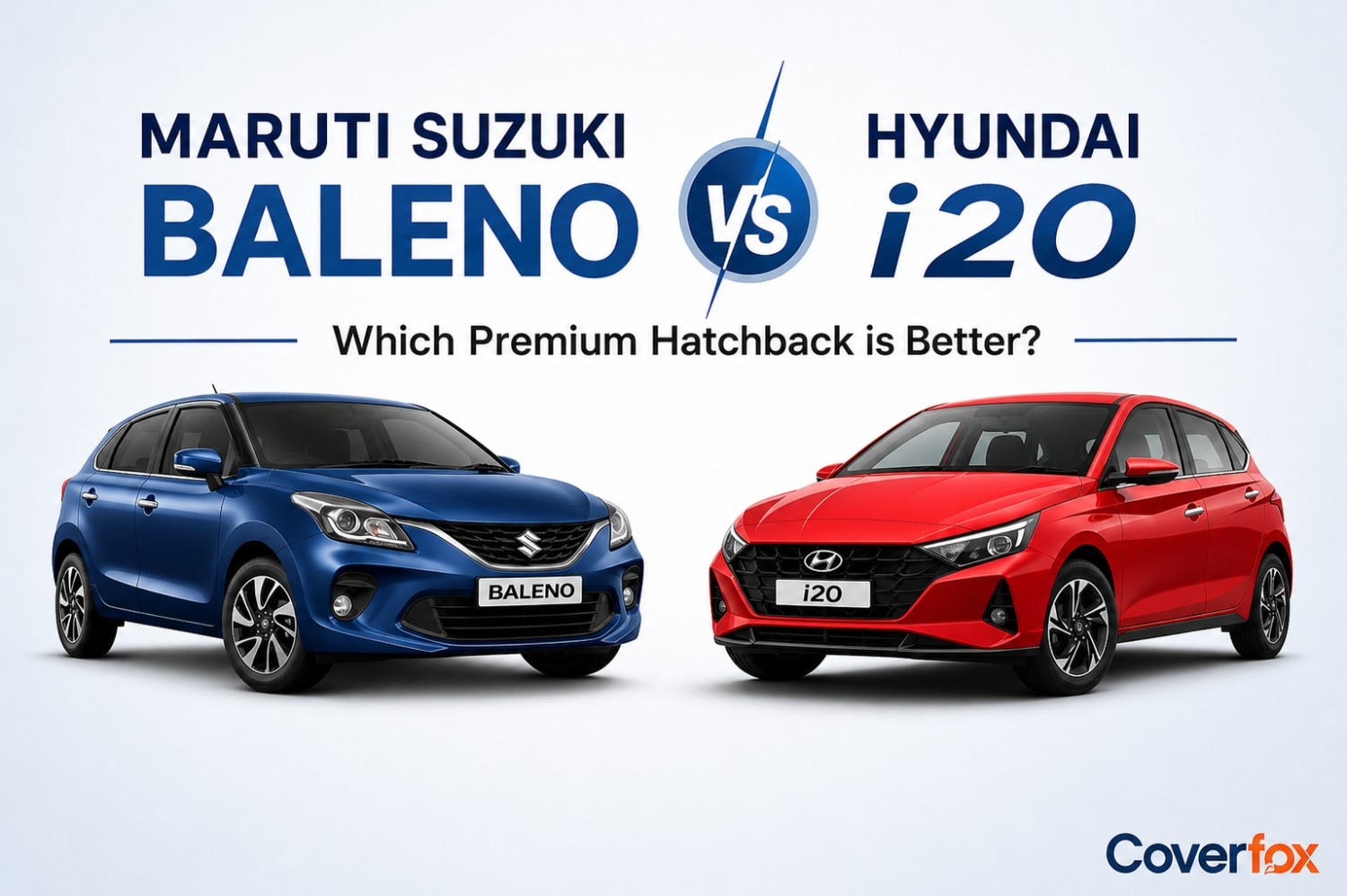
The Maruti Suzuki Baleno and Hyundai i20 continue to dominate India’s premium hatchback segment in 2025, consistently ranking among the highest-selling models in the country. Both cars have maintained strong monthly sales performance throughout the year, reflecting their widespread popularity among Indian buyers.
This sparked a debate between the two, and the question arises: which premium hatchback is better, Baleno or i20? Let's break down this debate.
Overview of Maruti Suzuki Baleno vs Hyundai i20
Baleno:
The Baleno is a premium hatchback from Maruti Suzuki, with its latest-generation model launched in February 2022. It is primarily targeted at buyers looking for a fuel-efficient, value-for-money and low-maintenance premium hatchback.
i20:
The i20 is a premium hatchback from Hyundai, with its current-generation model launched in November 2020 (facelift updates followed later). It targets customers seeking a feature-rich, premium design-focused hatchback with a more modern and tech-heavy experience.
Key Features Comparison: Baleno vs i20
| Specification | Maruti Suzuki Baleno | Hyundai i20 |
|---|---|---|
| Engine | 1.2L DualJet K-Series petrol / CNG | 1.2L Kappa petrol |
| Engine Capacity | 1197 cc | 1197 cc |
| Power | ~89 PS | 83 PS (MT) / 88 PS (iVT) |
| Torque | 113 Nm | ~114–115 Nm |
| Transmission | 5-speed manual / AMT | 5-speed manual / CVT (iVT) |
| Mileage | 22.35–22.94 km/l (petrol) | 16–20 km/l |
| Fuel Type | Petrol, CNG | Petrol |
| Boot Space | 318 litres | 311 litres |
| Seating Capacity | 5 | 5 |
| Length | 3990 mm | 3995 mm |
| Width | 1745 mm | 1775 mm |
| Wheelbase | 2520 mm | 2580 mm |
| Airbags | Up to 6 airbags | Up to 6 airbags |
Note: Specifications may differ as per variants
i20 vs Baleno: Space and Practicality Comparison
Baleno:
Boot space stands at 318 litres, which is slightly higher, making it more practical for luggage and daily usage. With a 2520 mm wheelbase and narrower width (1745 mm), it prioritises efficient packaging but offers slightly less cabin width.
i20:
Boot space is 311 litres, but it compensates with a longer 2580 mm wheelbase and wider body (1775 mm), giving more rear legroom and better shoulder space for passengers. This makes it more comfortable for occupants, especially in the rear seat.

Maruti Suzuki Baleno vs Hyundai i20: Engine Performance and Driving Experience
Baleno:
Powered by a 1.2L DualJet petrol engine (≈88.5–90 PS, 113 Nm), the Baleno feels light, responsive, and easy to drive in city conditions, with smooth low-end performance and better fuel efficiency. Its lighter steering and tuning make it ideal for daily commuting and effortless manoeuvrability.
i20:
The i20 uses a 1.2L Kappa petrol engine (83 PS MT / 88 PS iVT, ~114–115 Nm) and delivers a more refined and smoother driving experience, especially in stop-go traffic. With a more stable setup and better highway composure, it feels more premium and comfortable for longer drives.
Design and Exterior Styling
Baleno:
The Baleno features a sleek, curvy design with a wide stance (1745 mm width), highlighted by a large honeycomb grille, chrome accents, and LED projector headlamps. Its design language is more subtle and elegant, focusing on clean lines rather than aggressive styling.
i20:
The i20 adopts a sharper and sportier design, with a wider body (1775 mm) and edgy character lines that give it a more aggressive road presence. It stands out with LED headlamps, a bold front grille, and premium detailing, making it visually more dynamic.
Price and Value: Maruti Suzuki Baleno vs Hyundai i20
Baleno:
Price starts at ₹5.99 lakh and goes up to around ₹9.10 lakh (ex-showroom), making it one of the more affordable premium hatchbacks with a strong value-for-money proposition.
i20:
Price starts at ₹5.99 lakh and goes up to around ₹11.5 lakh (ex-showroom), positioning it as a more premium and feature-rich option, but at a higher overall cost.
Maintenance and Ownership Cost: Maruti Suzuki Baleno vs Hyundai i20
Baleno:
The Baleno is known for low maintenance costs, with a 5-year service cost of approx ₹26,000–₹27,500. Individual service visits typically range between ₹1,800 and ₹7,00,depending on the interval, making it one of the most economical premium hatchbacks to maintain.
i20:
The i20 has a slightly structured but still affordable maintenance profile, with a 5-year cost of around ₹15,600–₹20,600 and annual servicing averaging ₹3,000–₹5,000. Individual services can range from ₹1,500 to ₹4,500+, depending on parts and interval.
Pros of Maruti Suzuki Baleno vs Hyundai i20
Baleno:
Higher fuel efficiency: 22.35–22.94 km/l (petrol) → lower running cost
More affordable pricing across variants → better value for money
Lower maintenance + widespread Maruti service network
Smooth, light driving experience ideal for city use
i20:
More premium features: 10.25-inch infotainment, digital cluster, Bose audio
Better interior quality and overall cabin finish
More refined engine and smoother driving experience
Wider body (1775 mm) and longer wheelbase (2580 mm) → better cabin comfort
Cons of Maruti Suzuki Baleno vs Hyundai i20
Baleno:
Lighter build perception compared to rivals
Interior quality is not as premium as the i20
Less engaging at high speeds
i20:
Lower fuel efficiency: ~16–20 km/l
Higher price, especially in top variants
Maintenance and parts can be relatively costlier
No CNG option available
Which is Better: Maruti Suzuki Baleno vs Hyundai i20?
The choice between the Maruti Suzuki Baleno and Hyundai i20 ultimately depends on what you prioritise as a buyer. Both cars are closely matched in engine specs and overall practicality, but they cater to slightly different needs. It’s also worth considering car insurance costs and coverage options, as they can impact your overall ownership experience.
Choose Baleno if:
You want a fuel-efficient (22+ km/l), affordable, and low-cost-to-maintain hatchback with strong resale value and everyday usability. It is clearly the better option for city driving and budget-conscious buyers.
Choose i20 if:
You prefer a more premium experience, with better interior quality, advanced features, and a more refined and stable driving feel, especially on highways. It suits buyers who prioritise comfort and features over running costs.
Related Articles:
What are Sedan Cars in India? Features, Types, & Benefits
Difference Between Hatchback & Sedan Cars in India
SUVs vs Crossovers 2026: A Comprehensive Guide for Buyers
Frequently Asked Questions
Is the Maruti Suzuki Baleno an expensive hatchback?
No, the Baleno is considered one of the more affordable premium hatchbacks in India. With a starting price around ₹5.99 lakh (ex-showroom) and a lower top-end price compared to the i20, it offers strong value for money, especially when you factor in its fuel efficiency (22+ km/l) and lower maintenance costs.
Which hatchback delivers better performance – Baleno or i20?
On paper, both cars have similar engine outputs (~88–90 PS and ~113–115 Nm), so outright performance is quite close. However, the Baleno feels lighter and more responsive in city driving, while the i20 offers a more refined and stable experience, especially at higher speeds and on highways.
Which automatic gearbox is better, Baleno AMT or i20 CVT?
The i20’s CVT (iVT) is smoother and more refined, making it better for stop-and-go traffic and comfort-focused driving. The Baleno’s AMT is more affordable and efficient, but it can feel slightly jerky during gear shifts. So, CVT = smoother, AMT = more economical.
Does the Maruti Suzuki Baleno have a traction control system?
Yes, the Baleno comes with Electronic Stability Program (ESP), which includes traction control, as standard across variants. This improves stability and safety, especially on slippery roads.
Which car is more fuel-efficient: Baleno or i20?
The Baleno is clearly more fuel-efficient, delivering 22.35–22.94 km/l (petrol), whereas the i20 typically offers ~16–20 km/l. This makes the Baleno significantly cheaper to run over time, especially for daily commuters.
Is the Hyundai i20 safer than the Maruti Baleno?
Both cars now come with 6 airbags, ABS, and ESP as standard, making them well-equipped in terms of safety features. However, the i20 often gives a more solid build perception and stable highway feel, which some buyers interpret as better safety confidence.
Which car has better resale value?
The Baleno generally has better resale value, thanks to Maruti Suzuki’s strong brand trust, wide service network, and high demand in the used car market. This makes long-term ownership more cost-effective.
Which car has more space, Baleno or i20?
The Baleno offers a slightly larger boot (318 litres vs 311 litres), making it more practical for luggage. However, the i20 has a longer wheelbase (2580 mm) and wider body (1775 mm), which translates to better rear legroom and shoulder space for passengers.
Is the Hyundai i20 better for city driving?
The i20 is comfortable and refined in the city, especially with its smooth CVT gearbox. However, the Baleno’s lighter steering, better mileage, and lower running costs make it more convenient and economical for daily urban use.
Which is a better value for money: Baleno or i20?
The Baleno offers better overall value for money due to its lower price, higher mileage, and lower maintenance costs. The i20, on the other hand, justifies its higher price with more premium features and a refined driving experience, making it better for buyers who prioritise comfort and features over cost.