This guide will help you get your car out on the winter roads without any hassle. It also includes car care tips that cover battery checks, winter tyres. Fluid levels and maintenance against the cold weathering. Having car insurance along with add-ons like RSA is essential during the winter. The ingenious tips and tricks will ensure your rides during winter will be smooth and easy.
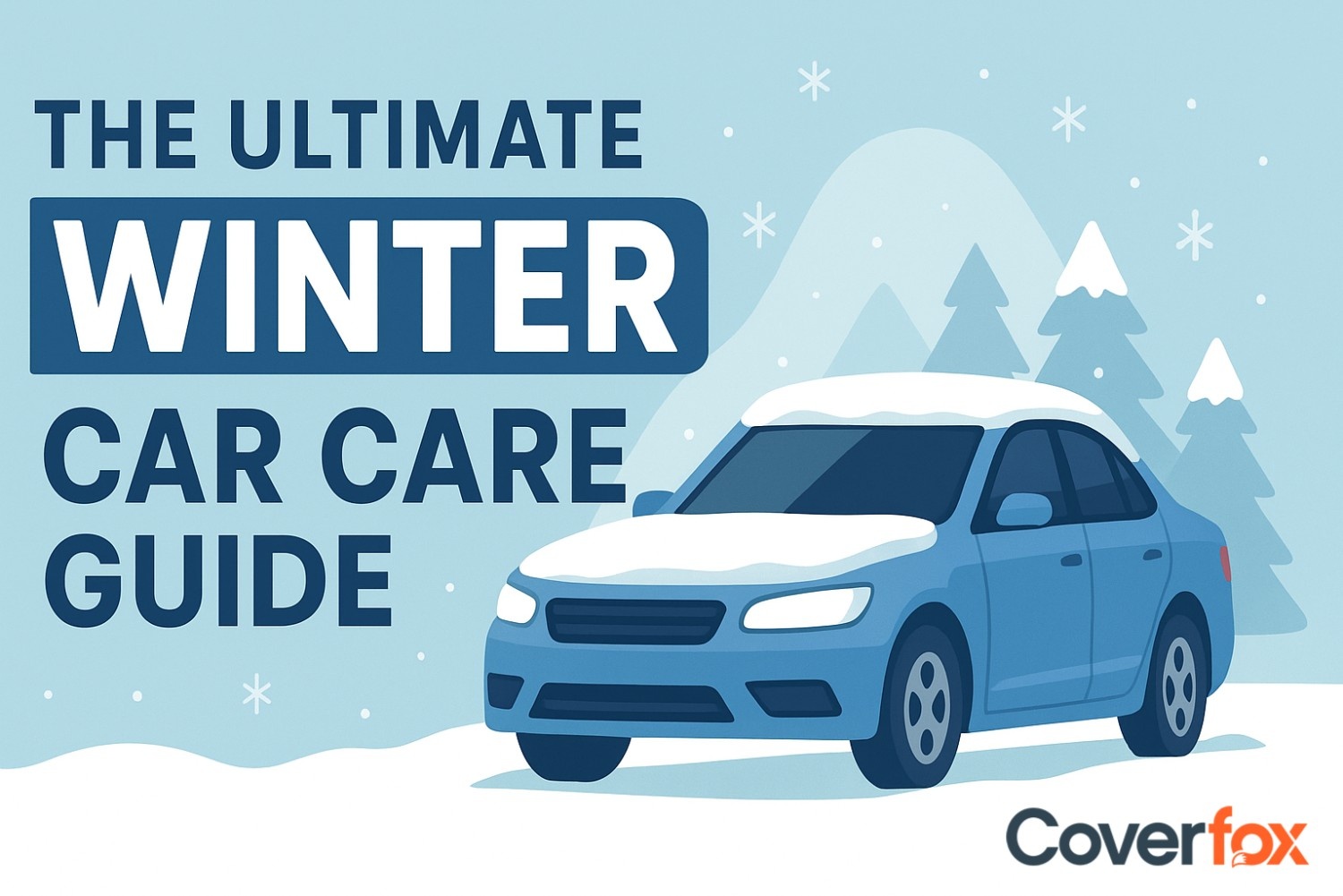
Winter can be a challenging time for your vehicle. The drop in temperature, icy conditions, and salted streets can take a toll on your car's performance and appearance. To keep your vehicle running smoothly and looking its best throughout the cold season, it's essential to pay attention to winter car care. This guide offers practical tips and tricks to protect your vehicle from winter's harsh impacts, and to ensure you're prepared for the road ahead. Let's dive in.
Prepare Your Car for the Cold
As you get your winter hoodies out for the cold, your car requires some prep work before winter. These few tips will ensure your car runs smoothly in the cold:
Check Your Battery
Switch to Winter Tires
Keep Fluids Topped Up
The cold weather can be tough on your car's battery. Low temperatures can reduce its cranking power, making it more difficult for your vehicle to start. Before winter sets in, have your battery tested to ensure it's fully charged and in good condition. If it's near the end of its lifespan, consider replacing it to avoid getting stranded on a cold winter day.
Winter tires are designed to provide better traction, handling, and braking in cold, snowy, or icy conditions. They're made from a rubber compound that remains flexible in low temperatures, which helps them grip the road better. Swapping your regular tires for winter ones is a crucial step in winter car care.
Your car's fluids play a vital role in its performance, especially in winter. Make sure your antifreeze is at the proper level to prevent your engine from freezing. Your windshield washer fluid should also be topped up with a winter formula that won't freeze, ensuring you have a clear view of the road.
Winter Maintenance Must-Dos
Once you are well-equipped with the winter preparations, it is also important to do regular maintenance checks during the cold, as this weather comes with uncertainty and can lead to malfunctioning of various parts of the car:
1. Regularly Clean Your Car
Salt and grime from winter roads can lead to rust and corrosion. Regularly washing your car, including the undercarriage, can help prevent this damage. Pay special attention to areas where salt and other debris might accumulate, such as the wheel wells and under the bumpers.
2. Inspect Your Lights and Wipers
Shorter days and inclement weather mean you'll likely rely more on your car's lights and windshield wipers. Check that all exterior lights are working correctly and replace any burnt-out bulbs. Your wiper blades should be in good condition to handle snow and sleet; if they're leaving streaks or have cracks, it's time for new ones.
3. Monitor Tire Pressure
Tire pressure decreases in cold weather. Under-inflated tires can lead to poor handling and increased wear. Check your tire pressure regularly and inflate them to the manufacturer's recommended level to ensure optimal performance and safety.
Cold Weather and Car Insurance
Car insurance plays a vital role in the winter. From car breakdowns, to high accidental risk due to icy roads - car insurance is there to back you up. Look up for these tips to ensure you are up to date with your policy:
Understand Your Coverage
Renew Expired Policies Promptly
Consider Roadside Assistance
Look into Engine Protection Add-Ons
Commercial Car Insurance for Business Vehicles
Comprehensive car insurance is essential, especially during winter when the chances of accidents and damage are higher. Make sure you understand what your policy covers. If you're unsure, contact your insurer to clarify the details of your coverage, including any exclusions or limitations.
Don't let your car insurance lapse. An expired policy means you're unprotected, and renewing it before it expires can save you from potential legal issues and financial losses. With the increased risk of accidents in winter, having active coverage is more important than ever.
Many car insurance policies offer or include roadside assistance. This service can be a lifesaver if you find yourself stranded due to a winter-related car issue. Whether it's a dead battery, a flat tire, or you're stuck in the snow, roadside assistance can help get you back on the road.
Winter conditions can be tough on your engine. Consider adding engine protection coverage to your car insurance policy. This add-on can cover damages to your engine caused by water ingress or leakage of lubricating oil, which can be common issues during the winter months.
If you use vehicles for commercial purposes, it's crucial to have commercial car insurance. This type of policy typically offers broader coverage tailored to the needs of businesses. Make sure your commercial vehicles are adequately insured to protect against winter-related risks.

Ingenious Winter Car Care Tips
Here are some squeaky tips and tricks that will come in handy for you and your car during the winter:
1. Prevent Door Seals from Freezing
Rub a thin layer of cooking spray or silicone-based lubricant on the rubber seals around your car doors. This prevents water from accumulating and freezing, which can make it difficult to open your doors.
2. Protect Wiper Blades
Lift your wiper blades when you park your car to prevent them from freezing to the windshield. You can also cover them with wiper covers to protect the rubber from cold and ice.
3. Wash and Wax Before the Cold
Regular washing removes salt, slush, and grime that can damage your paint in winter. Adding a protective wax layer helps seal the surface, preventing scratches, corrosion, and dulling. It keeps your car looking fresh through the harsh season.Choose a wax with at least 3-month durability. Reapply mid-winter if possible.
4. Emission Check
Cold weather can trigger check-engine lights due to oxygen-sensor or exhaust issues. An emissions test can identify misfires, air-fuel imbalance, or exhaust leaks early.
5. Drive at a Controlled Speed
Winter roads can be slippery due to frost or black ice. Maintaining a steady, controlled speed gives your tyres better grip and prevents skidding. It also improves fuel efficiency when the engine is under more stress in cold weather. Accelerate and brake gently to prevent traction loss. Avoid cruise control on icy roads
6. Cabin Air Filter Check
Winter increases dust, moisture, and allergens inside the cabin. A clean cabin air filter keeps your heating system efficient and ensures you breathe cleaner air. It also prevents fogging due to poor airflow. Replace every 12,000–15,000 miles or annually.
7. Rust Prevention
Cold weather, moisture, and road salt can speed up rust formation. Applying anti-rust coating or underbody protection shields metal parts from corrosion. Checking vulnerable areas regularly helps you avoid costly repairs later.
Winter Emergency Kit
Always have a winter emergency kit in your car. It should include items such as:
Blankets or sleeping bags
A flashlight with extra batteries
A first-aid kit
Non-perishable food and water
A shovel and ice scraper
Jumper cables
Sand, kitty litter, or traction mats
Road flares or an emergency beacon
Key Takeaways
Winter car care is about being proactive and prepared. By following these tips and tricks, you can help ensure your vehicle stays in top condition throughout the cold months. Remember to keep up with regular maintenance, understand and update your car insurance coverage, and always have an emergency kit on hand. Stay safe and enjoy the winter roads with confidence, knowing your car is well-cared for.
Frequently Asked Questions
What to keep in your car during winter?
Carry essentials like a torch, blanket, jumper cables, first-aid kit, tyre inflator, basic tools, and extra water. These help you stay safe and prepared during unexpected breakdowns or delays.
How can I improve visibility while driving in foggy areas?
Use low-beam headlights and fog lamps, keep your windshield clean inside and out, and ensure your wipers are in good condition. Avoid high beams as they reflect off fog and reduce visibility.
How do I keep my car from freezing overnight?
Park in a covered or enclosed area, use windshield covers, and ensure proper coolant levels. You can also apply anti-freeze spray on windows and locks to prevent them from sticking.
Do I really need winter tyres?
Yes, if you live where temperatures drop below 7°C (44°F). Winter tires use a softer rubber compound that stays flexible and delivers much shorter braking distances on ice or snow. Look for the 3PMSF symbol to ensure true winter certification.
Why does my battery die faster in winter?
Cold weather reduces the battery’s chemical reaction efficiency. Your engine also needs more power to start in low temperatures, which puts extra load on an already weak battery.
What’s the best way to wash your car in winter?
Use warm (not hot) water, avoid washing in extremely low temperatures, and always dry the car properly. Cleaning frequently prevents salt and grime buildup that can cause rust.
What should be in my winter emergency kit?
Pack items like blankets, a shovel, gloves, snacks, a phone charger, torch, tow rope, and a first-aid kit. These essentials help you manage emergencies until help arrives.
Should I warm up my car in winter?
Modern fuel-injected engines don’t require long idling—30 to 60 seconds is enough. Driving gently for the first few minutes warms up your engine faster and saves fuel.